

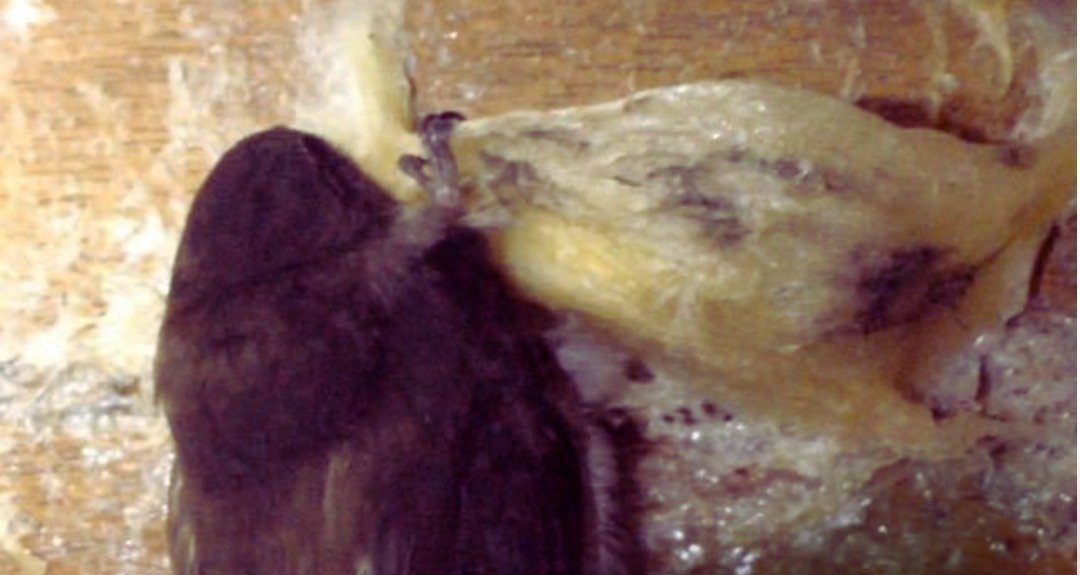
You harvest, you turn a nest over, and the base is yellow.
Some people call it yellow feet. Some see it only at certain times of the year. Others get it on every harvest.
Some people think first about how the nest looks. But to find the cause, you have to go back to the plank the nest sits on.
Where yellow bases come from
A nest is built stuck onto the nesting plank. The plank takes in water, then passes it on to the nest attached to it.
The colour of the wood and the dirty water on the plank get into the nest base this way. So when you see the colour, go back and look at the plank.
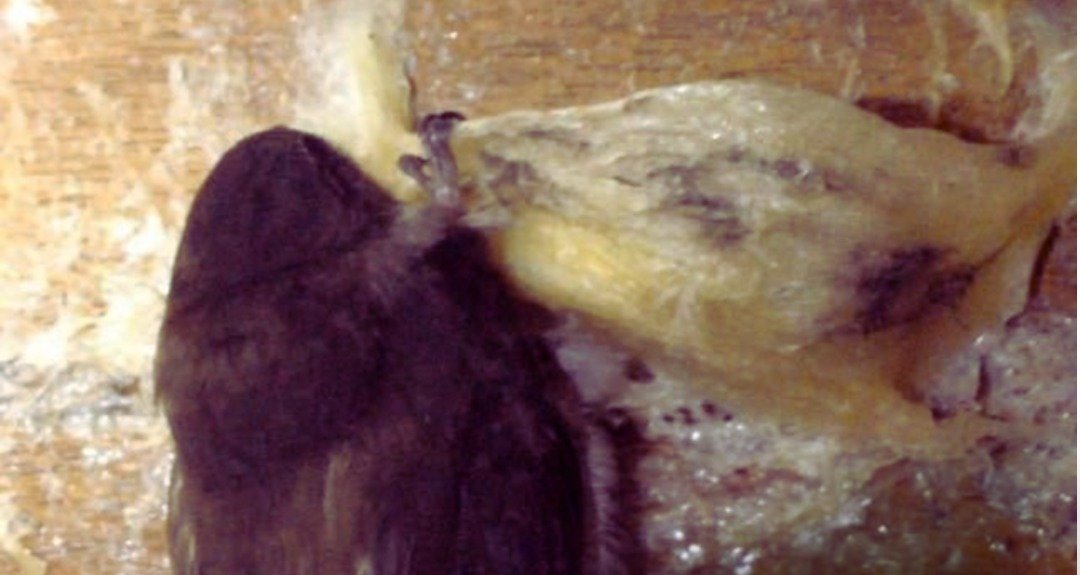
You already know yellow bases sell for less. Here is the part fewer people talk about. A yellow base means the plank is already in poor shape. Chicks do not stay long, and birds from outside fly off when they come close.
The common misreads
1. “It just sells for a bit less.”
The yellow is the result. The plank is the problem. If the plank is not dealt with, the colour keeps coming from it.
2. “The planks are dirty, so I get a worker to wipe them with water and a cloth.”
Plenty of people do this. It only makes the planks go mouldy faster and age faster.
3. “I will spray something on the planks to kill the mould.”
Someone asked us this: I spray all kinds of liquids on my planks, and now every single nest is yellow underneath. What do I do?
A plank is like a sponge. Whatever you spray, it soaks up, and it ages faster too. EM has enzymes and a sugary base colour. Wood vinegar leaves wood tar. Bit by bit these stick to the plank, the colour builds up, and in the end it moves into the nest base. Nests turn yellow and dirty, and in bad cases the birds stop coming to build.
EM is not for everyday use. Use it when you have a specific smell to deal with, and what matters is that it does not touch the plank. Same with hormone, pheromone or aroma products. I explained why in Can you spray hormone on nesting planks?
4. “My nests turned yellow after I took them home, so it must be the planks.”
Look at this one separately. Nests soak up water easily. A nest that comes out very white may only be damp, and turning slightly cream as it dries is normal.
If the whole nest turns yellow while it sits in storage, look at how you keep it. Damp plus heat can turn it yellow in a very short time. Someone left nests in a car in the sun, and by the next day the colour was completely different. Keep nests dry and cool. Check your storage first, before you blame the planks.
The order to check
Start with when it goes yellow.
At harvest, write down which area is yellow, and whether it happens every round. When you go in to check any of this, go during the day, after the birds have flown out.
Yellow only in the rainy season
Suspect a leak first. Rain gets in, the plank drinks it, and the nest takes up the colour of the wood. Check the roof and walls first. How to check is in Swiftlet house leaked or flooded?
If you are sure nothing is leaking, the house is probably too damp. Planks pull moisture out of the air and pass it to the nest. How to run your misting machines in the wet months is in What to watch in your swiftlet house during the rainy season.
Yellow all year
Go through these in order. Water first, then the plank.
1. A leak you do not know about. Pipes, float, roof, walls. A house that is yellow all year can have one spot that never stops leaking.
2. How long your misting machines and humidifiers run. Keep misting and the house stays too damp, and the planks never dry. Plenty of people believe the wetter the house, the easier birds settle. There is a balance point.
3. Standing water in the house. With standing water in the house, the moisture has nowhere to go. If you have a water pool, check this one hard. Swiftlets do not need it to drink, and your planks suffer first. See Does a swiftlet house need a water pool?
4. The plank itself. Soft wood takes in more water. Planks made from durian wood, for one, get yellow bases more easily. Planks with too many grooves do the same. So do planks that are no longer in good condition.
5. What you have sprayed on the planks. Think back to what you have sprayed. Nobody knows this better than you. If you have been spraying, stop.
6. Whether the old nest bases were cleaned off. Old bases left on the plank are one more source of the yellow.
7. How often you clear the droppings. Leave them, and nests yellow more easily. With more birds the droppings pile up faster, so you cannot leave this one. How often depends on how many birds you have, how thick the droppings get, and the size and airflow of the house. And do not clear it all at once. Leave one spot and take that a month later.
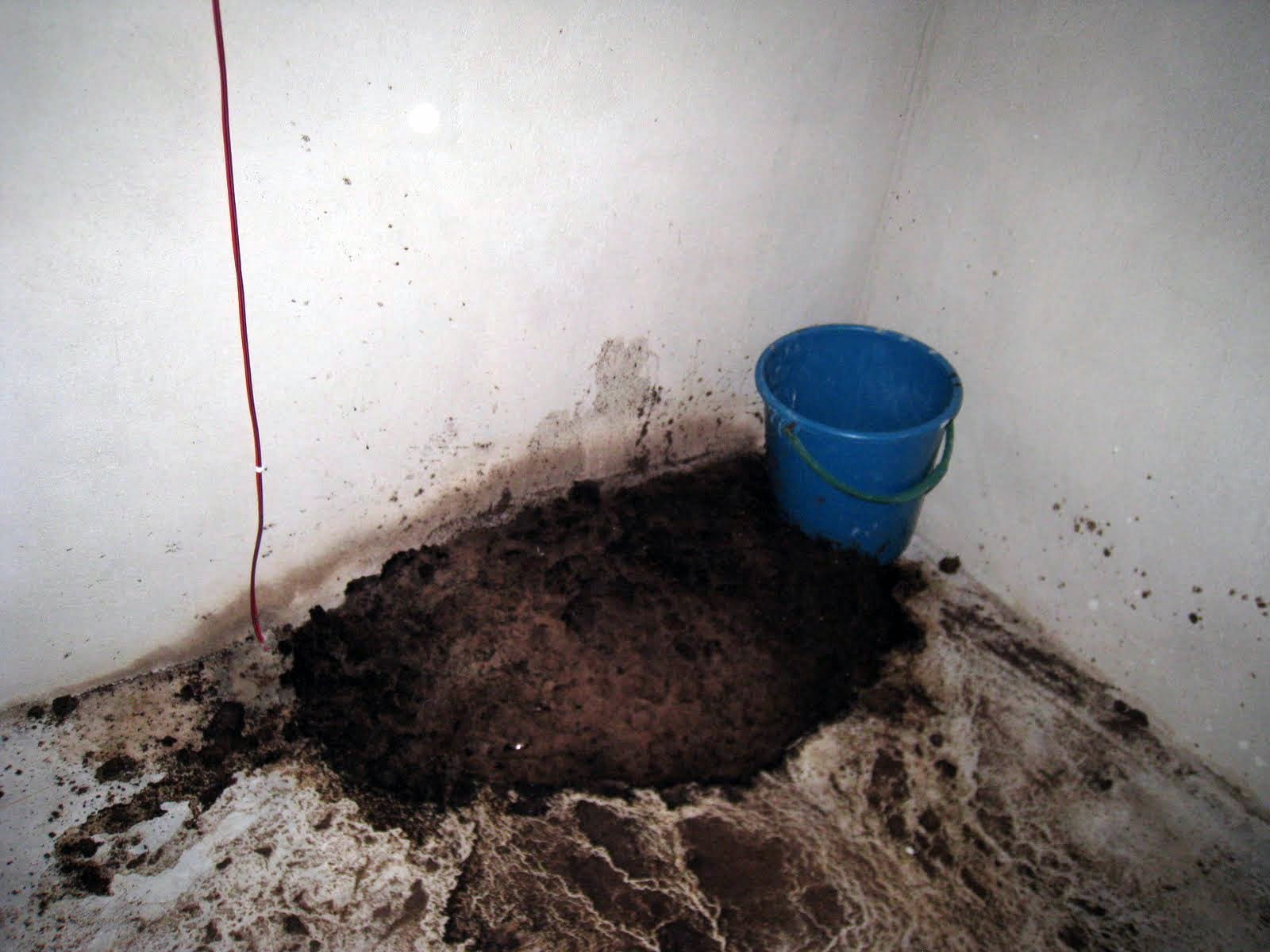
One more. If the nests are also cracking and yellowing fast, check whether hot air can get out. With ventilation pipes in the wrong position, heat keeps collecting up top.
Only after all of that do we talk about what comes next. The MDK Swiftlet House Diagnosis Method runs in exactly this order. Diagnosis first, prescription second.
When it is time for a product
Once the water problem is dealt with and the random spraying has stopped, then we talk about washing the planks.
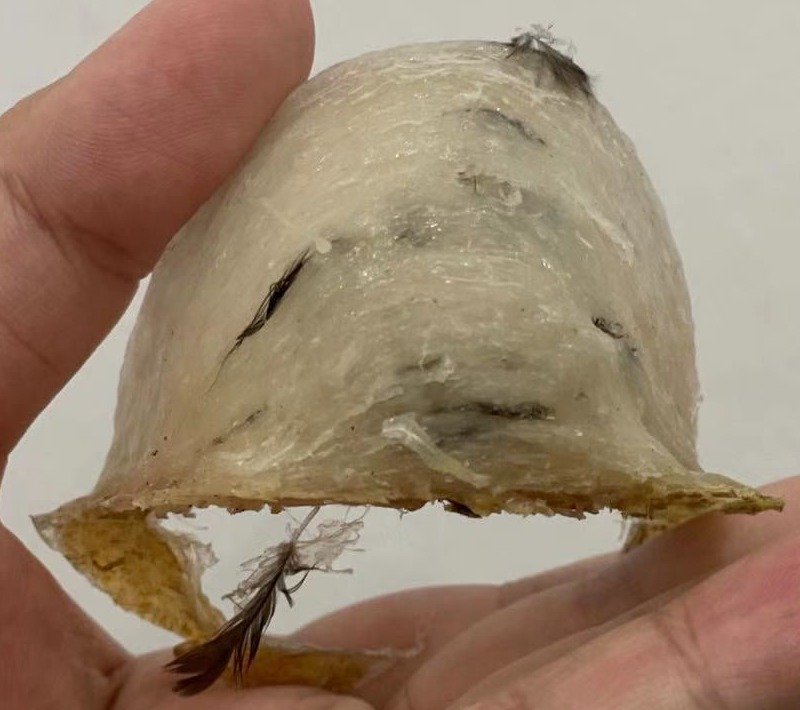
If the bases are already yellow, a few washes usually bring improvement. If washing really does not work, you add new planks over the old ones. How to decide on that, and how to change planks without chasing the birds away, is in Should you replace damaged nesting planks?
Do not wash planks with plain water. Use a proper plank wash. Ours is the Meranti+ Nesting Plank Enhancer, which kills mould and also protects against it. One spray does not finish the job. Use it regularly, every few months.
Do not wait until mould shows before you act. By the time you see it, some of the birds may already be leaving.
Your next step
Next harvest, before you start sorting, turn a few nests over and write down two things: which area is yellow, and whether it only happens in the rainy season.
Then go in one day once the birds have left, with your phone. Photograph the nest bases and the planks in that area, close up.
Send them to us on WhatsApp, and tell us what you have sprayed on the planks and how long your misting machines run each day. We will tell you which of these to fix first for your house. We do not charge for looking, and we will ask if we need more.