

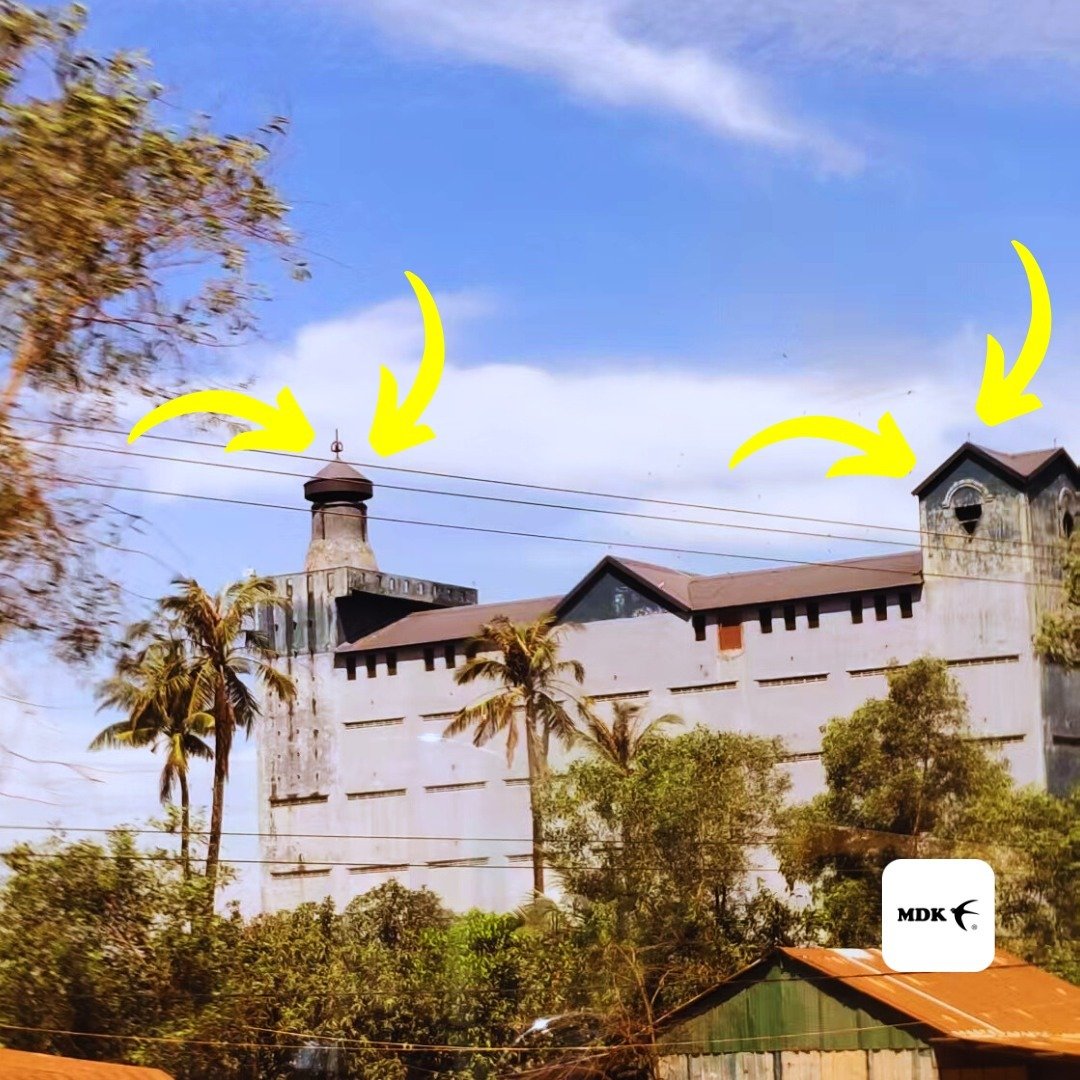
Plenty of swiftlet house owners, especially out in the countryside, want the entrance hole up high.
Yours might be one of them. A group of birds plays above the roof. Birds fly in and fly back out. It looks busy. They just do not stay.
So is higher better? That is what this post is about.
What you are seeing
Check if this matches your house:
Birds gather and play above the roof.
Some birds fly into the entrance hole, then fly back out.
Only a few birds have actually stayed inside.
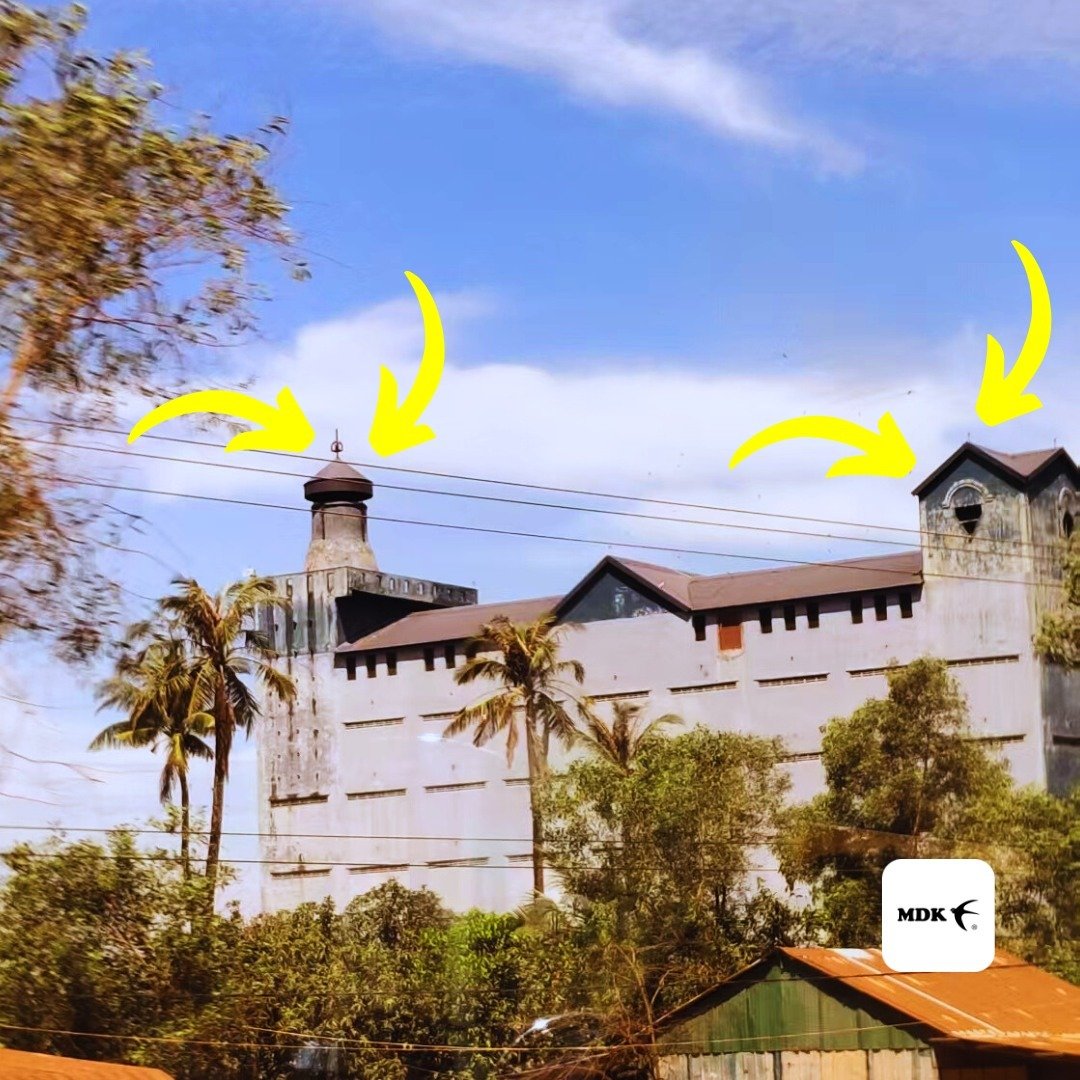
Does higher help birds notice you?
The higher the entrance hole, the easier it is to attract birds. That might be true.
But a bird seeing your house and hearing your sound does not mean it will go in. It means even less that it will stay.
So ask yourself one thing. Do you want birds playing up there, or do you want them living inside?
If you want them inside, stop competing with other houses on height. What counts is which house the birds fly into most smoothly.
Look at Cambodia, if you know the houses there. Many are big and tall. But if you pay attention, the shorter ones seem to grow faster, if anything. Why? It has to do with how smoothly birds can fly in. There may be another layer too. Many of those houses are near the sea, the wind is strong, and vent bricks pull that wind in easily, so the high parts of the house may be cold inside.
The usual wrong guesses
Some owners first think the sound is not attractive enough. You do need to look at sound. But the entrance is the part that often gets missed.
Some think the house is still not high enough. If your house is already tall, do not build the entrance hole any higher. Let the birds get into the entrance hole the easiest way they can, then fly smoothly on to the next doors.
Others decide to wait, sure that the birds just have not discovered the house yet.
Here is a real case. The second entrance (the second door that birds will pass through in your bird house) was smaller than the first one. The angle was wrong too, and the tweeters were not in the key position. A year later, only a few birds had stayed in the whole house. In a case like that, time will not save you.
What a bird thinks once it is inside
Pretend you are the new bird.
You have never been in this house, and you are a little afraid. Is it safe in here? If I go in, can I get back out?
So the first thing it needs is to see clearly. If it is too dark inside the entrance hole, it cannot see anything, and it is even less willing to go further. I wrote about light in does a swiftlet house need to be completely dark. One thing only here: please do not go and fit a light after reading this.
Once it can see, it wants to explore. Now it needs to find the next door in the shortest time, and that is the second entrance. Two things decide whether it keeps going:
One, where the sound comes from has to be clear.
Two, the second entrance has to be smooth to reach, easy to spot, and not too far away.
Think of a swiftlet house as a game with levels. The first entrance (the hole the birds fly in from outside) is level one. The bird circles outside, listens, and comes in when it feels OK. The second entrance is level two, and this is where many houses get stuck.
Why a high first entrance makes level two harder
Move the first entrance up while the second entrance stays down below, and the distance between them grows. The angle gets steeper as well.
That bird, already a little afraid, now has to fly a long slanted stretch down through a strange space to reach that door.
If your first entrance is high and birds struggle to get into the second entrance, the flying in and out you see from outside is worth checking from this angle.
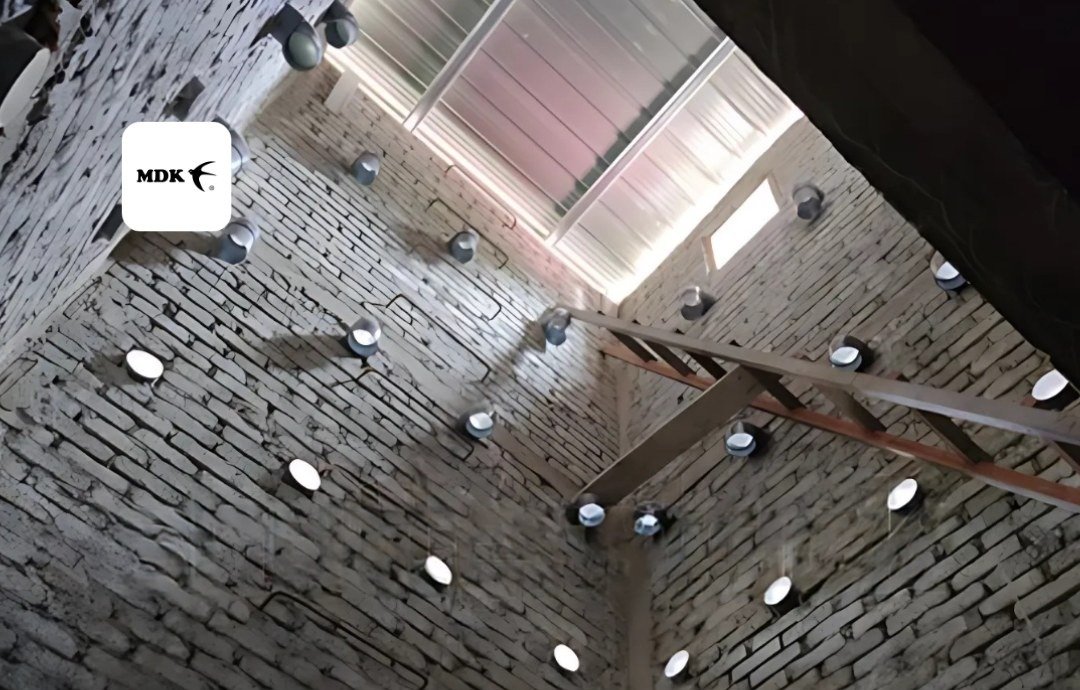
How angle, distance and width are tied together is in swiftlets circling the entrance hole but not going in, so I will not repeat it. For size, there is how big should a swiftlet house entrance hole be.
How to see where your house is stuck
You can see these three yourself.
Stand outside your house in the evening and watch. Do the birds circle above and leave, or fly into the entrance hole and come back out quickly? If birds come for a few days and then disappear, also read swiftlets came for a few days then stopped coming.
During the day, after the birds have flown out, stand at the second entrance. There should be some angle from where you can see the first entrance. If you cannot, there is probably a turn that is too sharp or a drop that is too steep in between. Count your entrances correctly here. In an air well design, the air well counts as the first entrance.
Check if the nests are growing. Again, go up only during the day after the birds have flown out.
One situation needs to be looked at separately. If the space outside your house is very limited, with a lot of things blocking it, that is a different matter.
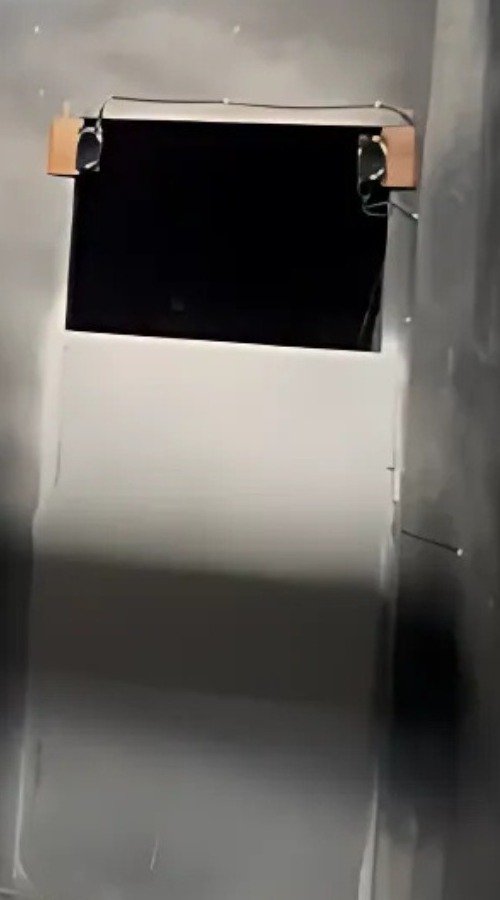
Should you change it?
First, when you do not need to. Your entrance hole is high, but the location is very good and the birds are still increasing fast. Then leave it alone.
If there has been no increase for a long time, stop spending time waiting. After we have seen the house, the way forward is usually one of three: replace the first entrance with a new entrance hole, change the second entrance so birds get in more easily, or change both.
For a house that is stuck and not growing, we look for the second entrance section first. Which of the three fits your house, we only know after seeing it. What worked in someone else’s house may be exactly wrong in yours, and that goes for your own other house that is doing well, too. So these three are not a to do list for today. Leave the hammer alone.
When equipment gets its turn
A clear sound source matters. But if the path is not smooth, more tweeters will not help the birds get in.
First see if birds can get in, then talk about what goes inside. That is what the MDK Swiftlet House Diagnosis Method does. Diagnosis first, prescription second. Until we have seen your house, we will not tell you to buy anything.
Your next step
During the day, after the birds have flown out, film your way in from the entrance hole on your phone, talking as you go, and record the internal sound and then the external sound.
Send it to us on WhatsApp. It is free, and you do not need to buy anything first. If we need anything else after seeing it, we will ask. You do not have to prepare everything at once.
Before you build the entrance hole any higher, look at how smoothly the birds get in.