

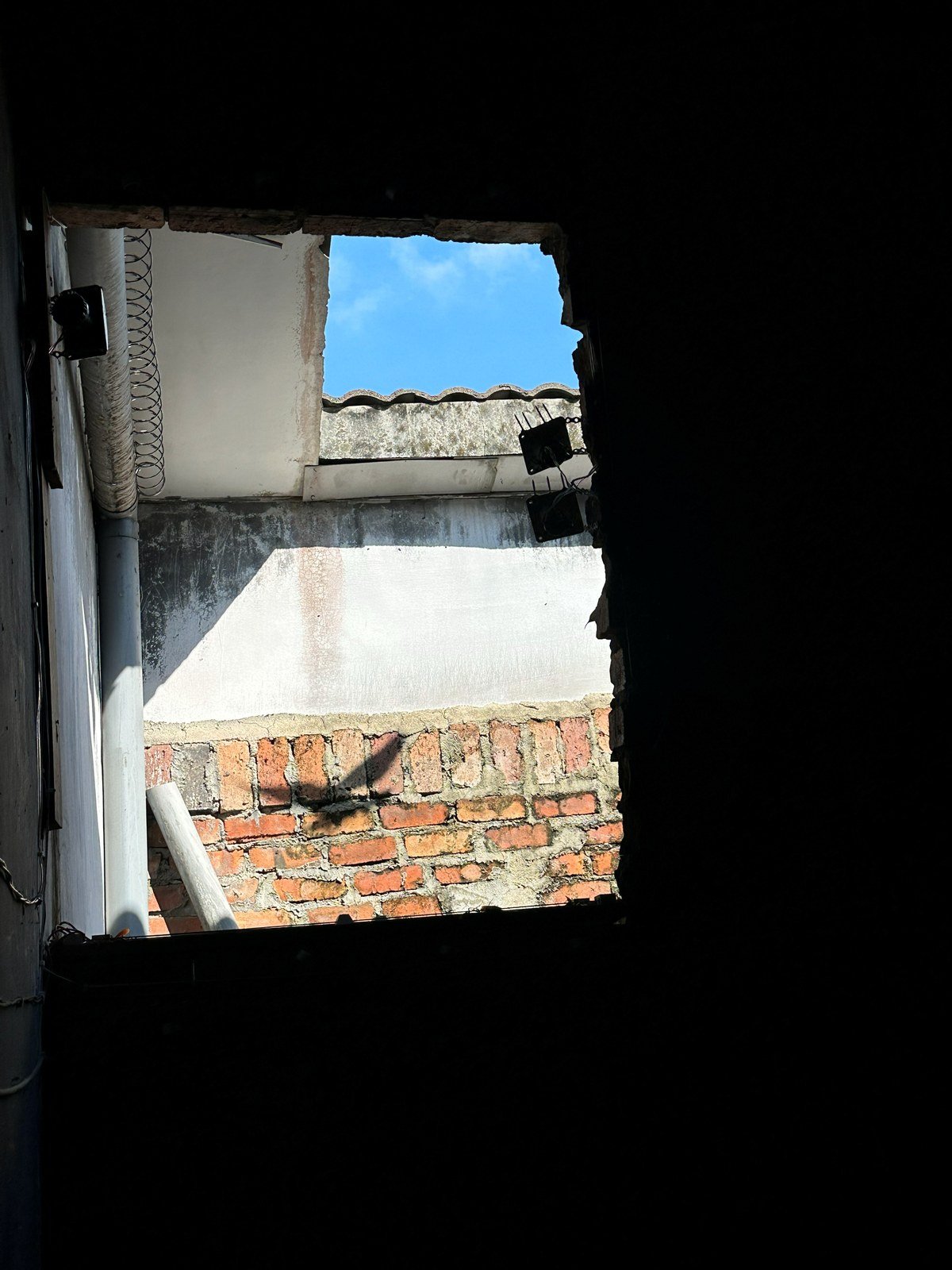
How big should the entrance hole be? Which way should it face?
People building a new swiftlet house ask this. People who want to change the entrance on an old house ask it too. Most of the time they want a number, because a number feels safe.
There is no number we can give you here. But there are two things you can already see for yourself: how many birds are in your house now, and what the houses around you look like.
Why we will not give you a size over the phone
The size of the entrance is tied to the slope of the stretch behind it, how long that stretch is, and how much width the birds have inside to turn. You cannot take one of them out and talk about it alone. How those four pull on each other is covered in Swiftlets circling the entrance hole but not going in?
What I want to add here is about size itself. Measuring a neighbour’s entrance and copying it can backfire. So can taking the measurements from your own house that took off and building a second one to match. Every house has a different layout, a different number of birds, different surroundings. Copying without understanding why it was done that way is risky.
Size: it follows your bird numbers
Many owners think the entrance is fixed on the day the house is built, and then you never think about it again.
Think about roads. As more people move into an area, you need more roads and wider roads, or the traffic jams. A swiftlet house works the same way. Your bird numbers keep going up, but the road in and out is still as narrow as on day one. So it jams. Only here, the traffic is birds.
When birds move through easily, they are comfortable. When they are comfortable, they stay. So once a house takes off, the entrance usually has to grow bigger along with the birds.
Some people hear “bigger” and worry about light, that the inside will get too bright. Light is not the thing to lose sleep over. Airflow is. You need to keep the airflow inside under control. For how to read airflow, see How should airflow work in a swiftlet house?
One more case to watch. If your entrance was built very small to begin with, check whether it is small enough to block the birds.
One of our students had a very small entrance hole. After the class, he knocked it bigger. After that, the birds inside went up clearly.
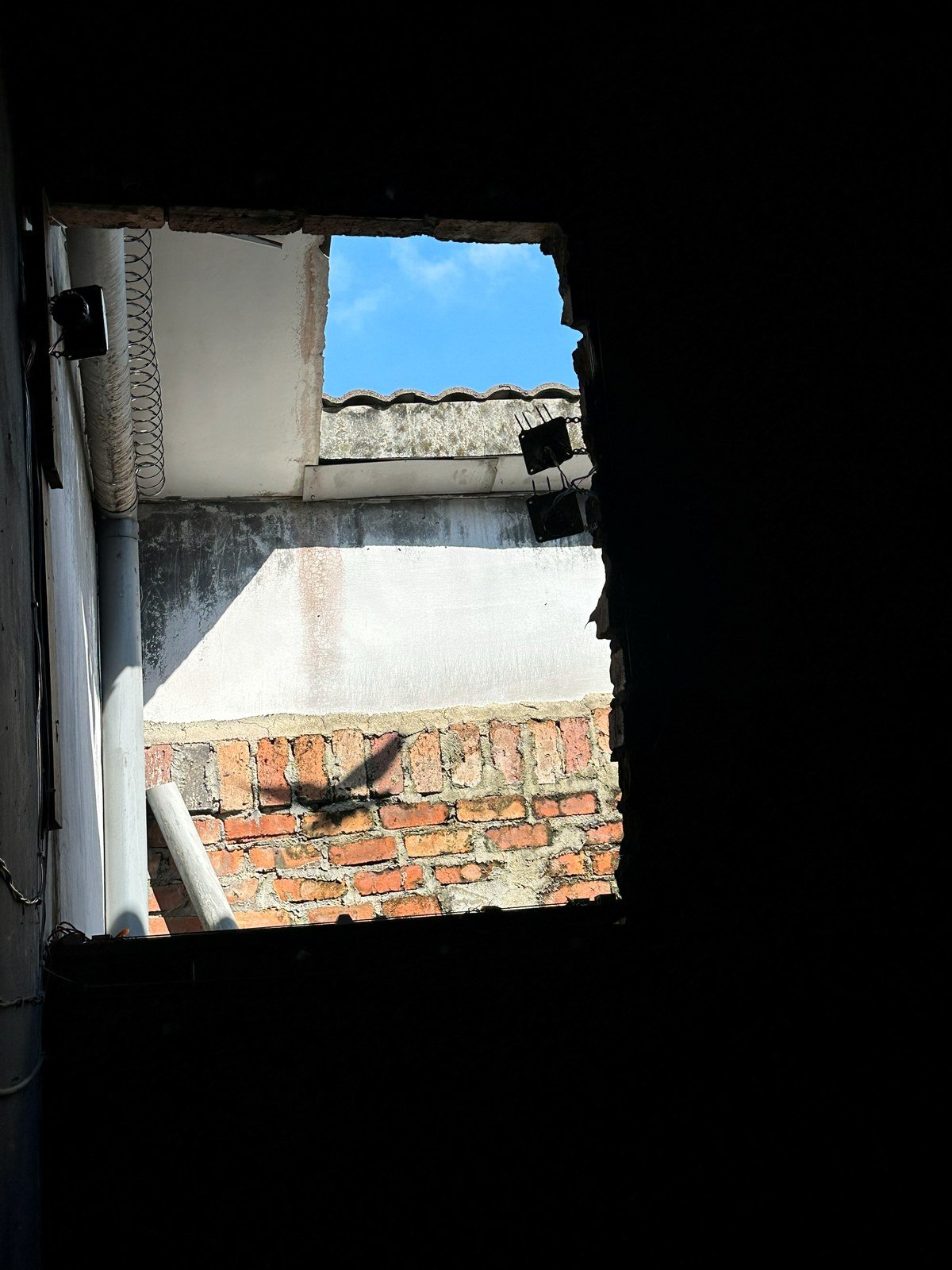
That was his house. Yours is different. Before you pick up a hammer, send us a video first.
Direction: in a row of houses, the entrance is your front door
If your area is a whole row of swiftlet houses, the entrance becomes the deciding factor.
Before a bird goes into your house, the first thing it sees is your entrance. Like meeting someone new. Before they know you, they look at how you are dressed.
So start by making your entrance a bit different from everyone else’s. For example, if the whole row faces the same way and everyone faces east, you face west. Make the entrance stand out, then make the inside different too, and your chances of winning go up a lot.
Why think like this? Because birds only pick the best house. If yours is good, a new house next door will not hurt you. If his is better, get ready to pack up. You cannot stop your neighbour from building. What you can do is make sure the birds can tell your house apart at a glance.
A west facing house: look at light and heat separately
To be clear, that example is not telling you to face west. It is just that a west facing house has two things to look at separately, light and heat.
Light first. The sunset shining in is not a big problem on its own. Adjust where the second entrance (the second door that birds will pass through in your bird house) sits to suit the design, and it can be handled. What matters is timing. When the birds come home, most houses around you have already gone dark. If yours is still very bright at that hour, it feels different from what they are used to. For how birds deal with light, read Are swiftlets afraid of light?
Then heat. Afternoon sun from the west is a separate matter. In the tropics, the afternoon sun is especially strong. Too much sun pushes the temperature inside up and the humidity down, and both get harder to keep steady. So when you build, do not let your biggest wall face the afternoon sun.
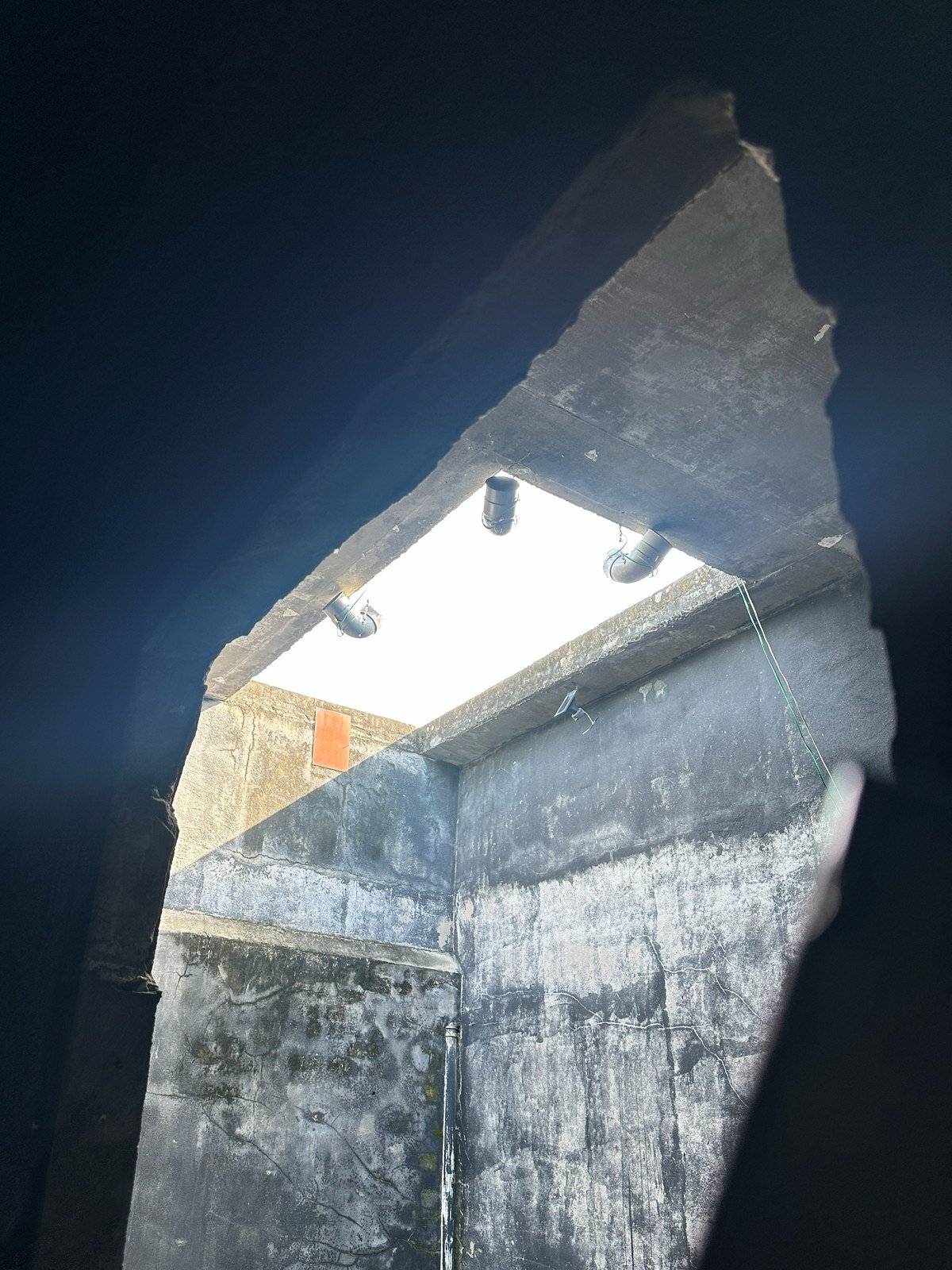
Your house is already built
Most people reading this already have a house standing. What you can look at now:
One, your bird numbers have gone up a lot, but the entrance is still the way it was.
Two, the entrance was built very small to begin with.
Three, next to the houses around you, can the birds tell your entrance apart?
Four, is the way in smooth? The sibling post Swiftlets circling the entrance hole but not going in? has two checks you can do yourself. Counting nests and looking at droppings on the walls should wait until daytime, after the birds have flown out.
If any of these fits your house, do not start changing things yourself. Film the entrance and the second entrance and send it to us.
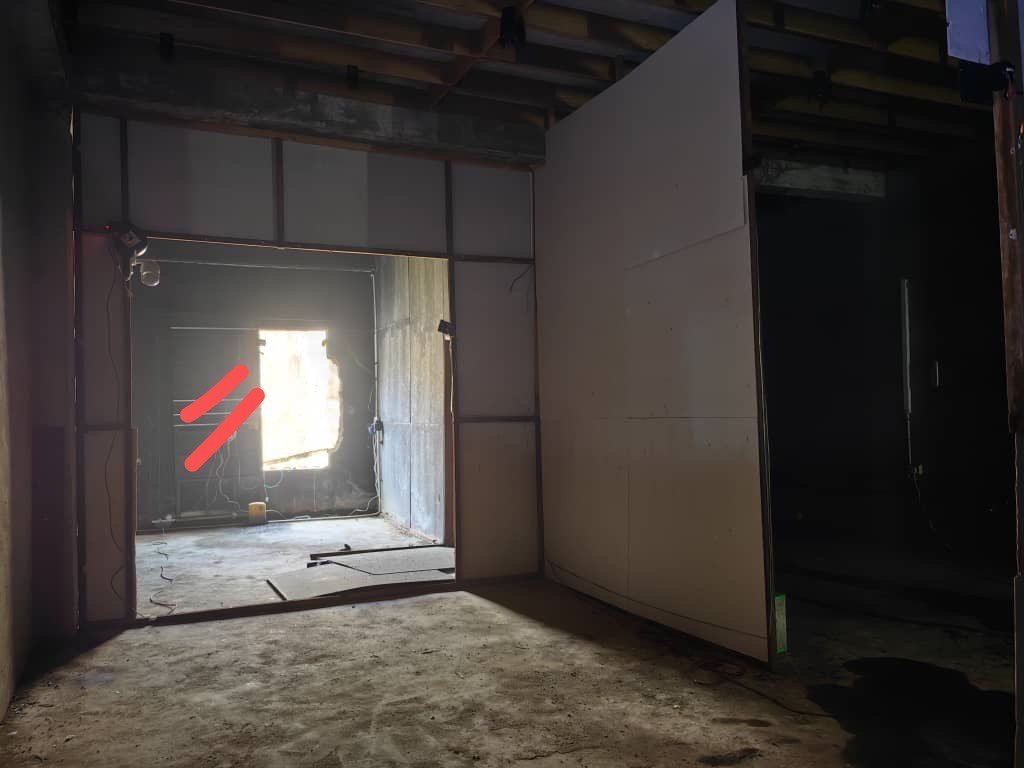
One more thing. The parts of your house you still have not changed are usually the parts you believe are right.
Why look first? Because how big, and whether to open it at all, can only be answered after someone has seen that house. Look at the house first, decide on changes after. That is the order the MDK Swiftlet House Diagnosis Method follows: Diagnosis first, prescription second. Where equipment fits in, the last section of the sibling post covers it.
Your next step
Stop looking for a number for now, and leave the hammer alone.
During the day, after the birds have flown out, film your way in from the entrance hole on your phone, talking as you go, and record the internal sound and then the external sound.
Send it to us on WhatsApp. It is free, and you do not need to buy anything first. We will tell you if we need anything else.
How big, and which way? Start with the birds in your house, then look at the houses next to yours.