

You set the volume on your amplifier properly.
Not long after, you walk into the swiftlet house and the sound is different. Sometimes louder, sometimes softer. You reach over and touch the knob, and suddenly it is very loud.
The first reaction is to decide the amplifier is finished and buy another one.
Hold on before you throw it away. Amplifier trouble in a swiftlet house usually comes in three kinds. They all sound like “the amplifier is broken”, but each one has a different cause and a different fix. Once you know which one you have, very often you do not need a new amplifier at all.
Which one do you have?
One: the volume you set drifts by itself not long after. It gets louder or softer, and when you touch the knob it suddenly jumps up.
Two: with no sound plugged in, the tweeters make a “hmmmm” hum. It keeps going and it sounds messy.
Three: every time there is lightning, the amplifier dies.
There is one more that looks a lot like the first, so rule it out first. You turn the volume way up, the sound stays weak, and the amplifier is hot. That is very likely a short circuit. It is a different problem, and turning it up only makes the amplifier burn faster. How to check for a short is in swiftlet house tweeters have no sound. Read that one first.
The usual wrong guesses
Thinking a jumpy volume means the whole amplifier is dead. With the first fault, the problem is one part inside that has aged. The amplifier itself still works. Throwing it away means buying a whole amplifier to replace one part.
Thinking the hum means something is wrong. Honestly, every amplifier hums. Cheap ones, expensive ones, all of them. The only difference is how loud. In a swiftlet house you notice it more because swiftlet house amplifiers run with a card reader, and before a card goes in, the card reader is still sending a signal out. So with no card in, you hear the hum clearly.
Thinking lightning damage is just bad luck. Some owners have five swiftlet houses, and every time it is the same one that gets hit. Lightning has zones, and some places get struck more often. If one house keeps losing amplifiers, treat it as that house’s problem.
How to check
Fault one: volume drifting? Look at the variable resistor
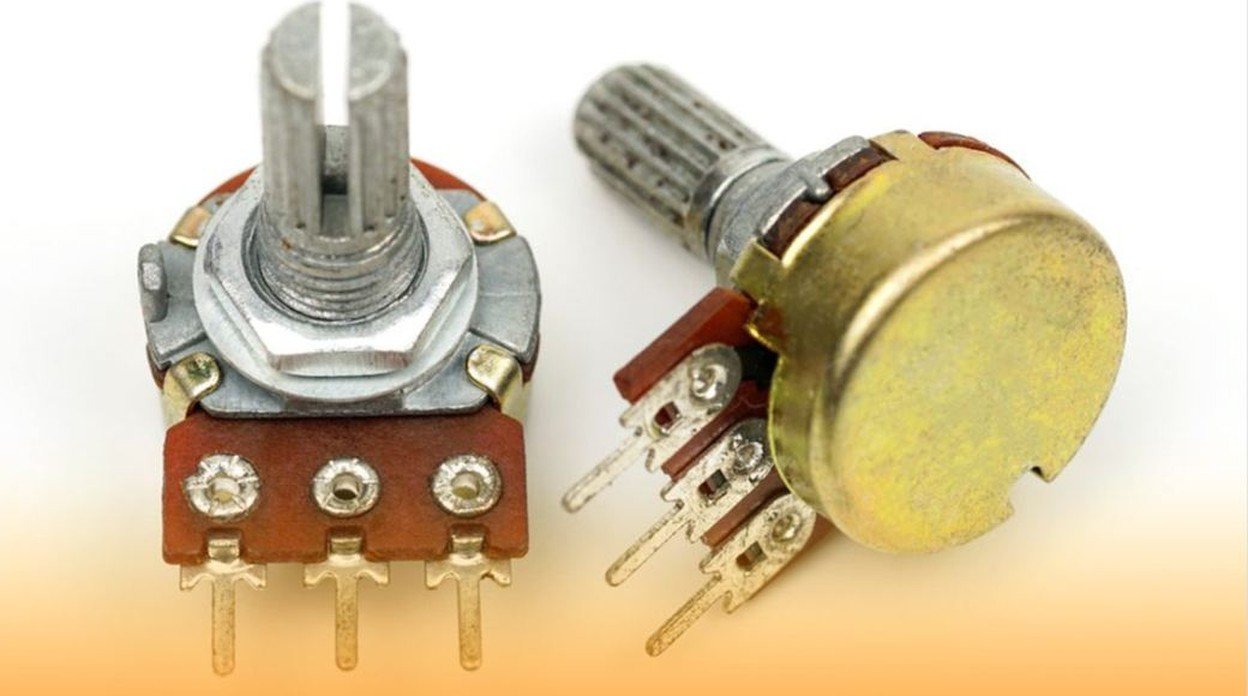
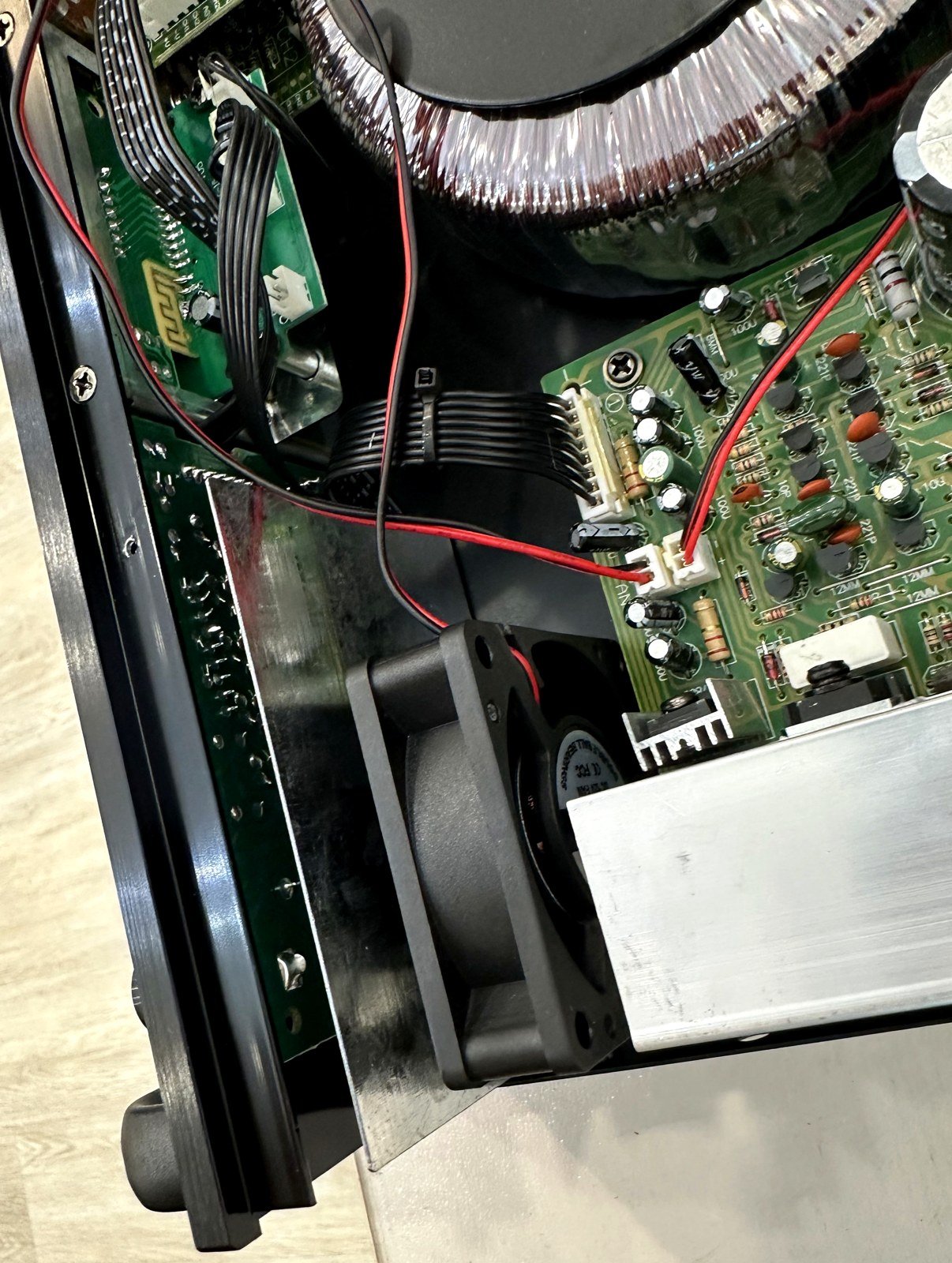
The part inside the amplifier that sets the volume, and the bass, mid and treble, is called a variable resistor, or VR. It changes the resistance to make the sound louder or softer.
This part does not break easily, but it always ages. What it hates most is damp air and salty air, and a swiftlet house has both. Houses with a lot of droppings, and houses near the sea, show it faster. In some houses, tweeters and metal racks start showing rust in less than a year.
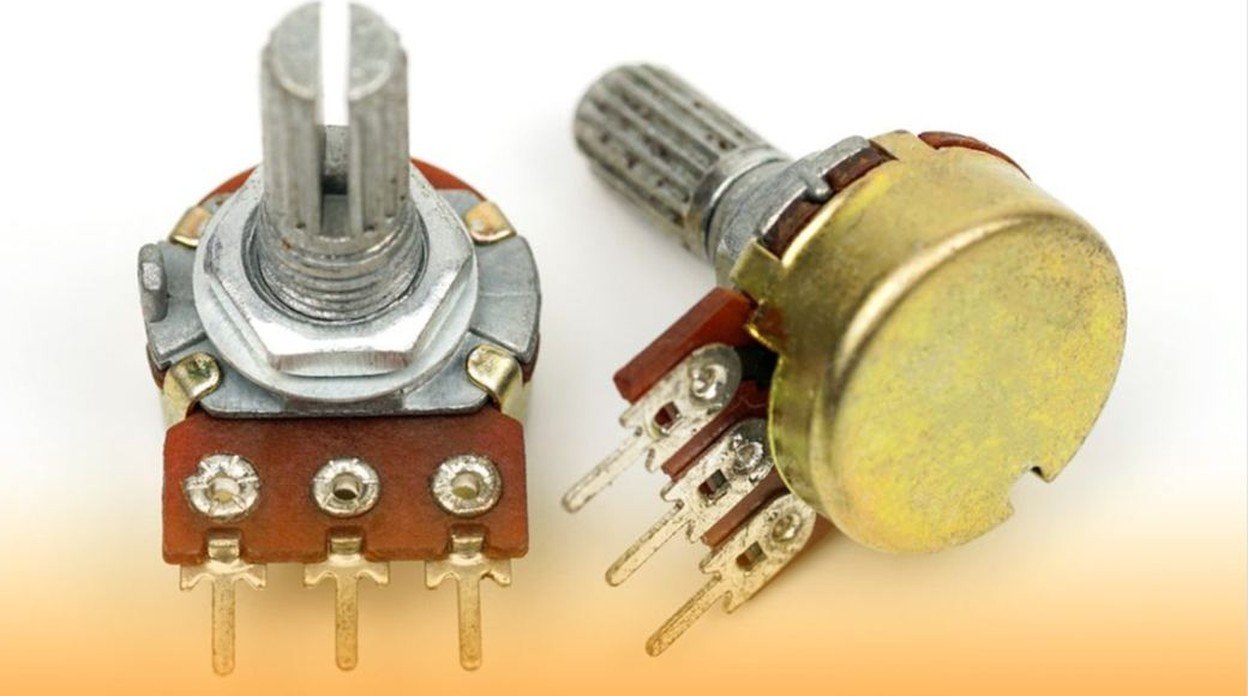
As it ages, carbon builds up inside it, and that is when the volume starts wandering and jumps when you touch the knob.
What to do:
- If it is mild, a cleaning spray made for electrical parts can clear the carbon inside
- If it is bad, send it for repair. Replace that VR and the sound is as good as new
One thing matters more than any repair: do not keep the amplifier near the floor. You cannot see moisture with your eyes, but it always affects electrical things.
However well you look after it, it gets old, the same as people do. The good news is that an old amplifier only needs repair, not replacing.
Fault two: humming? Check the earth wire
First, plug the swiftlet sound in and listen. Once sound is playing, the hum drops a lot. As long as it is not too loud, it does not bother the swiftlets much.
If there is still a lot of noise with sound playing, check whether your amplifier is earthed, meaning whether it has a three pin plug.
Fault three: dies in every storm? Check lightning protection and the earth
Be clear about one thing first. You cannot stop lightning one hundred percent, even with a lightning rod or any kind of lightning protector.
A lightning rod is not the best answer. It pulls the lightning in, and every time it does, there is a strong magnetic wave around the swiftlet house. The noise of the thunder may also disturb the birds.
What we put in ourselves is a lightning protection box, fitted where the main power comes into the house. After that, the area that used to lose an amplifier every month or every few months went many years between failures. There are versions for three phase and for single phase power, and it does not cost much.
But there is one condition: your swiftlet house needs an earth wire first.
If your amplifier has already been hit by lightning, honestly, I would not spend money repairing it. A lightning hit costs more to repair, and even after repair it may not be as good as new.
When it is time to talk about equipment
Fault one: repair it, no need to replace.
Fault two: check the earth first. No need to rush into replacing it either.
Fault three: sort out the earth and the lightning protection first, then talk about a new amplifier.
A good amplifier does not help if nobody tunes it well. A good horse needs someone who can ride. Where you set the volume, and where the sound goes, matters far more than how expensive the amplifier is. If the sound is right and the bird count still does not move, look at the house itself. That is the order of the MDK Swiftlet House Diagnosis Method. Diagnosis first, prescription second. Find where it is stuck, then decide what to change.
Your next step
Today, go and look at where your amplifier sits. If it is close to the floor, move it higher. While you are there, check whether the plug has two pins or three.
Still not sure which fault you have? Film your way in from the entrance hole on your phone, talking as you go, and record the internal sound and then the external sound. Add one photo of where the amplifier sits. Send it to us on WhatsApp, free. After we look, if we need more detail we will ask you. You do not have to prepare everything at once.