

Someone asked me this not long ago.
A friend of his has a swiftlet house. It has not been running long, and the tweeters inside are almost new. He wanted to take them and fit them in his own house. His thinking was simple: if it makes a sound, it works.
My answer: I really would not.
And what worries me has nothing to do with how they sound.
How most people check a used tweeter
The only check he planned was this one. Connect it, play it, listen. If it plays and the sound does not break up, call it good.
That check is fine as far as it goes. Your ears can tell you if a tweeter is broken. But that only covers the tweeter’s side. You have not checked anything from the bird’s side.
Mistake one: “I listened to it, so I checked it”
A swiftlet coming into your house does not use only its ears.
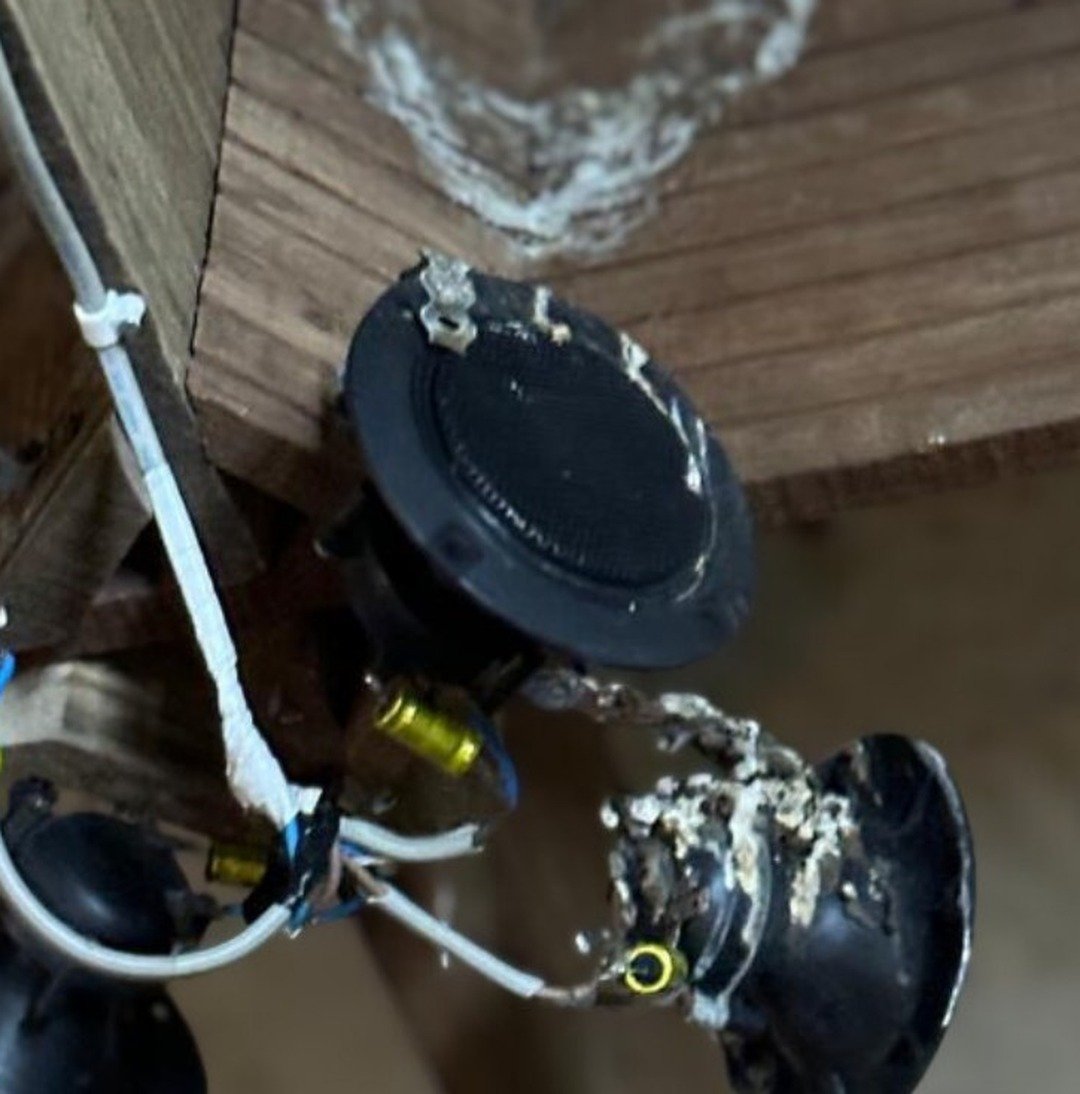
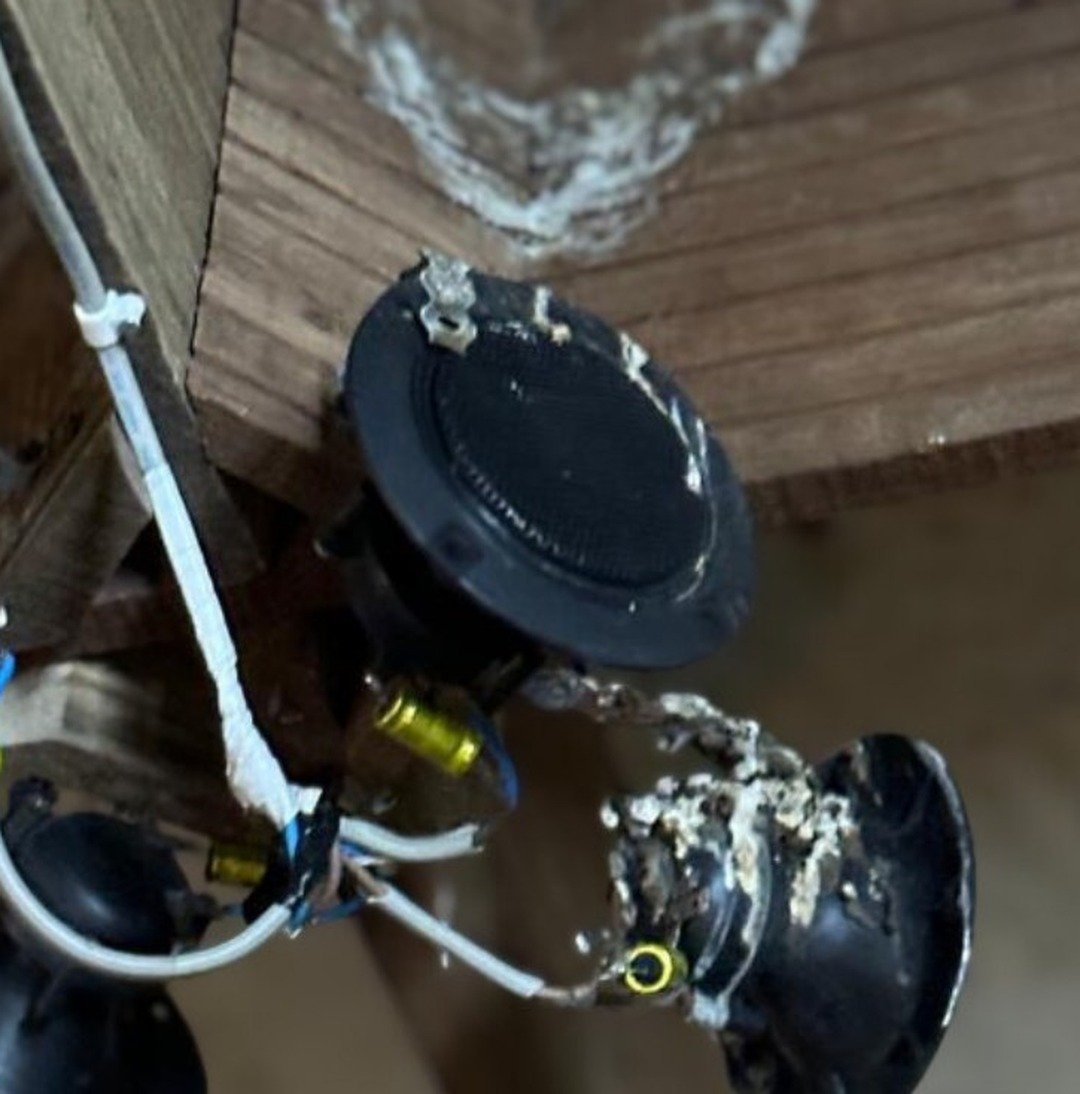
Inside a swiftlet house, a tweeter is mounted on the nesting plank, right next to where the birds build their nests. So when it comes down, it may carry the smell of that house, and the smell of the mother birds that lived there.
Picture a new bird flying into your house. Next to the tweeter it picks up a strange smell, the smell of another colony. For that bird the message is clear: someone already lives here. Then it turns around and flies out.
We tend to think swiftlets only use their ears. Their sense of smell and their sense of territory are sharper than you think.
Mistake two: “I smelled it and there is nothing there”
Some people pick the tweeter up, sniff it, smell nothing, and put it in.
Your nose and a swiftlet’s nose pick up different things. The first time people open a bottle of our NBH (hormone, pheromone, aroma), they pull a face, and the birds like it. Swiftlet droppings smell bad to you, and to the birds that is simply the smell of birds. It works the other way too. If you cannot smell something, that does not mean it is not there. I went through this in more detail in what smells drive swiftlets away.
So the rule is easy. If your nose cannot tell whether that tweeter carries another colony’s smell, assume it does. Testing it on your own house costs too much.
Your own tweeters: the problem is mould
Tweeters from your own house do not have the other-colony smell problem. But if you take them down and put them back, there is a different job to do.
Behind a tweeter there is usually a lot of mould. Swiftlets are very sensitive to mould. Once mould gets out of control, it can take a few years before you see the birds drop off in large numbers.
So when you change tweeters or take any down, the order is: treat the plank first, then fit the tweeter back.
We use Meranti+ Nesting Plank Enhancer for this. You just spray it, no need to climb up and wipe. You can spray the planks, the stainless steel mesh and the back of the tweeters. The one place to avoid is the tweeter diaphragm. Do not point the spray straight at it.
Do this in the daytime, after the birds have flown out.
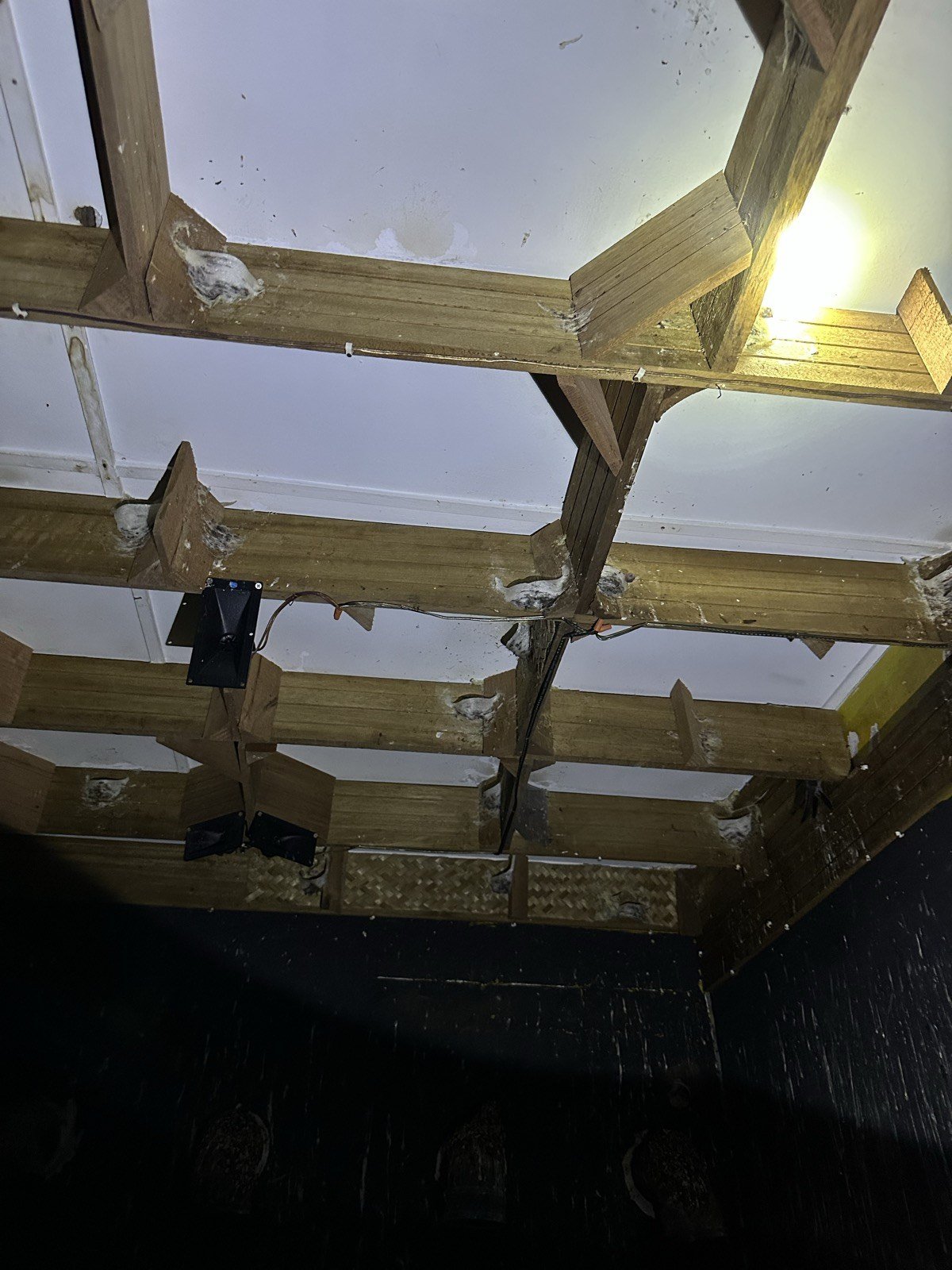
Before you take one down, look at where the nests around it are. Nests in front of a tweeter are normal. If the nests are all hiding behind it, that tweeter itself has a problem, and if you put the same one back, the problem goes back with it. I covered this in where to place tweeters in a swiftlet house.
There is also one kind of tweeter that should not go back in the same spot: the blacklist tweeter. Almost every internal sound tweeter in the house has nests next to it, the birds are already on their second or third generation, and yet those few tweeters have stayed empty the whole time while every other spot is doing fine. What we do with those is take them down and fit a tweeter in a new spot.
When it is time for new equipment
Before you touch any tweeter, ask yourself why you want to change it.
If a few are silent, first work out whether the whole house has no sound or only a few tweeters. Sometimes the fault is in the wiring, not the tweeter. That is in swiftlet house tweeters have no sound.
If the birds just are not increasing, get the order right. Kiew Meng Kui, the master I teach classes with, puts it very plainly: wash the nesting planks first, and only then adjust the tweeters. If you sort out the tweeters and the sound first, the birds you call in cannot stay on those planks, and the work is wasted.
We say the same thing in class. If you change the sound and pull in many birds before the house is right, that can backfire. The birds come in, find something wrong, and stop coming.
So deal with the planks and the house first. When you are sure it really is the tweeters that need changing, fit new ones.
What to do next
Before you fit any tweeter that is not brand new, ask one question: where did it come from?
If it came out of someone else’s house, do not fit it.
If it is one of your own that you are taking down and putting back, go up in the daytime after the birds have left, spray the plank and the back of the tweeter, then fit it back. While you are up there, check whether the nests are in front of the tweeter or hiding behind it.
If you are not sure the tweeters are the problem at all, film your way in from the entrance hole on your phone, talking as you go, and record the internal sound and then the external sound.
Send it to us on WhatsApp. We will look at it with the MDK Swiftlet House Diagnosis Method and tell you what to change first. Diagnosis first, prescription second.