

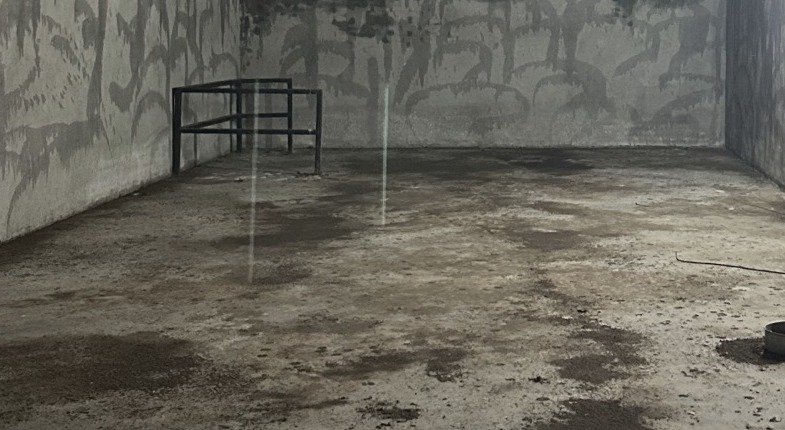
You feel your swiftlet house is too bright inside. The light goes straight to the back.
Then you look around. Some owners paint the inside black, some do not. So you start thinking: should I paint mine too?
That is what this post is about. Should the inside of a swiftlet house, roaming room included, be painted black?
Here is the answer first. Without a specific reason, do not paint anything in there, and black least of all.
What you may be seeing
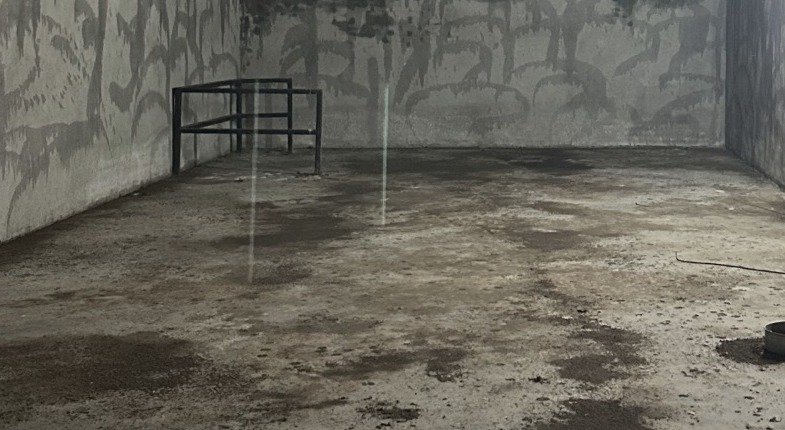
Check if this looks like your house:
Birds do fly in.
Once inside, they circle for a long time before they dare go deeper.
Some circle until they give up and fly away.
If that is your house, and you happen to be thinking about black paint, read on.
Afraid of light, so paint it black? Think this step through first
The thinking usually goes like this. Too bright and the birds will not come in. Black is safe.
That is how a person thinks.
“The darker the better” is a mistaken idea to begin with. I covered that in does a swiftlet house need to be completely dark, so I will not repeat it here. For what swiftlets are really afraid of, read are swiftlets afraid of light.
Here I only want to make two points about paint.
One, brightness depends on the time of day. A bit of light in the daytime is fine. It even helps birds see the place when they come to play. The time to look at is when the birds come home, and by then most houses have already gone dark. If you only went in during the day, after the birds had flown out, and it felt bright, that brightness may not be a problem at all.
Two, birds, swiftlets included, use light to judge whether something is in the way. Swiftlets do have echolocation, but it is not strong. A swiftlet is not a bat. Echolocation is enough to keep it off the wall, not enough to find its way.
What black looks like to a bird
Here is something I saw myself.
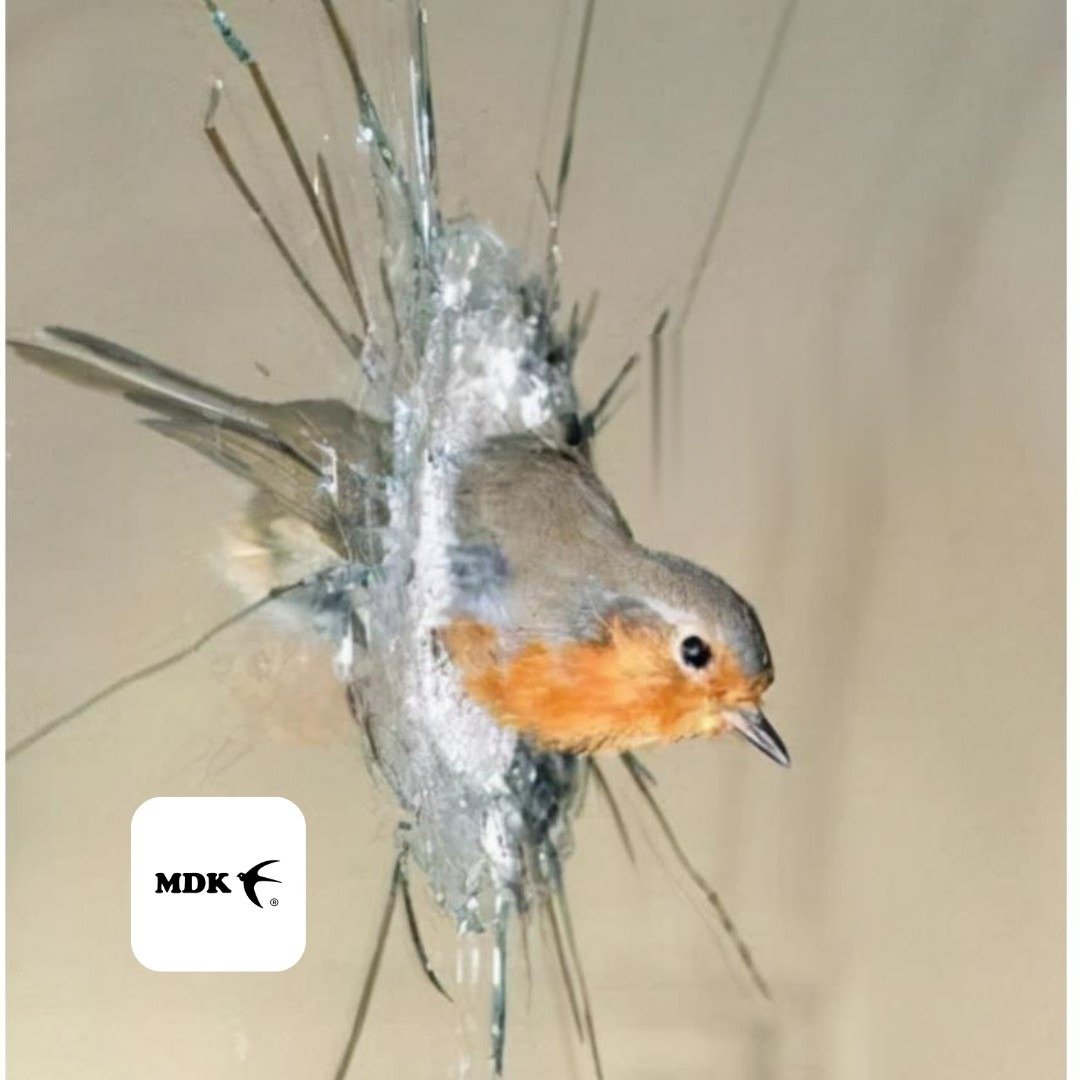
I once went to check a customer’s swiftlet house. To make the house look good, the owner had fitted a lot of fake black glass. Glass only in name, because behind it was just brick wall.
That day I watched a big bird, blue all over, I could not tell you what kind, fly in very fast and hit that black glass head on. It did not get up again.
Most birds in a bright place judge obstacles with their eyes. That patch of black probably looked like a hole, so the bird did not take any special care and flew straight at it.
Now bring that into your own house.
If the walls are black and the roaming room is black too, everything looks the same black.
So where is the entrance hole? How is the bird supposed to tell?
When it is all the same black, it needs more time to find it.
A house that is already dark, with one more coat
Some houses are very dark inside already. The owner is still worried and paints another coat.
Now it is too dark. It gets harder for birds to find a spot, and harder to recognise their own nests.
The bird will not sit down and work this out with you. What it feels is closer to this: this house is too much trouble, forget it, I will try another one.
Yours is not the only house out there.
Swiftlets need road signs
The old timers used to say swiftlets have great GPS. So many houses, so many planks, and they still find their way.
That was when there were fewer houses. Finding your way in a small village is easy. Go to a huge, complicated city and it is a different story. That city is what swiftlets are facing now.
So they really need clear road signs from you: this is your home, this is where you build, this area is yours.
I am not telling you to write on the planks, of course. Only people can read that.
These signs come from tweeters, lights and nesting planks working together. You talk to birds in a way birds understand.
Paint the whole house the same black, and finding the way by eye only gets harder.
Before you open the paint, check these three things
Ask yourself why you want to paint. Can you give one specific reason? If the answer is just “I am afraid of light” or “other people did it”, leave it alone for now.
During the day, after the birds have flown out, stand just inside the entrance hole and look in. How far does the light reach? Can you see the second entrance (the second door that birds will pass through in your bird house) at a glance? If even you have to look for it, a bird on its first visit has it harder.
If you have CCTV, watch the birds after they come in. Do they move in quickly, or circle around at the front before they dare go further?
Already painted it black?
Do not rush to paint it another colour.
If you already have plenty of birds, do not casually change the features around where they nest. Those features are how they recognise home.
If you have few birds, whether to change anything, and which part, is something we only know after seeing the house. What worked in someone else’s house may not fit yours, and that goes for your own other house that is doing well, too.
If your house is too dark
The direction is one sentence. For a house that is too dark, letting in a little light, in the right amount, beats adding another coat.
That does not mean go and open a hole or fit a light today. Put it in the wrong place and you are worse off than if you had done nothing. Light also has to be read together with the entrance hole and the flight path. For that part, read swiftlets circling the entrance hole but not going in and is a higher entrance hole better for swiftlets.
When equipment gets its turn
If a bird cannot even see the way, changing the sound will not help it get in.
First see if birds can get in, then talk about what goes inside. That is what the MDK Swiftlet House Diagnosis Method does. Diagnosis first, prescription second. Until we have seen your house, we will not tell you to buy anything.
Your next step
During the day, after the birds have flown out, film your way in from the entrance hole on your phone, talking as you go, and record the internal sound and then the external sound.
Send it to us on WhatsApp. It is free, and you do not need to buy anything first. If we need anything else after seeing it, we will ask. You do not have to prepare everything at once.
That can of paint can wait.