

When the long rains come, these questions come up a lot. Are there more birds on rainy days? Will my swiftlets die of cold? Why are there fewer nests after the season?
Let me take them one at a time, and then go through what to check first.
What you are seeing
In the rainy season, farmers usually run into one of three things.
One. Every time it rains, there is a flock of swiftlets circling outside the house.
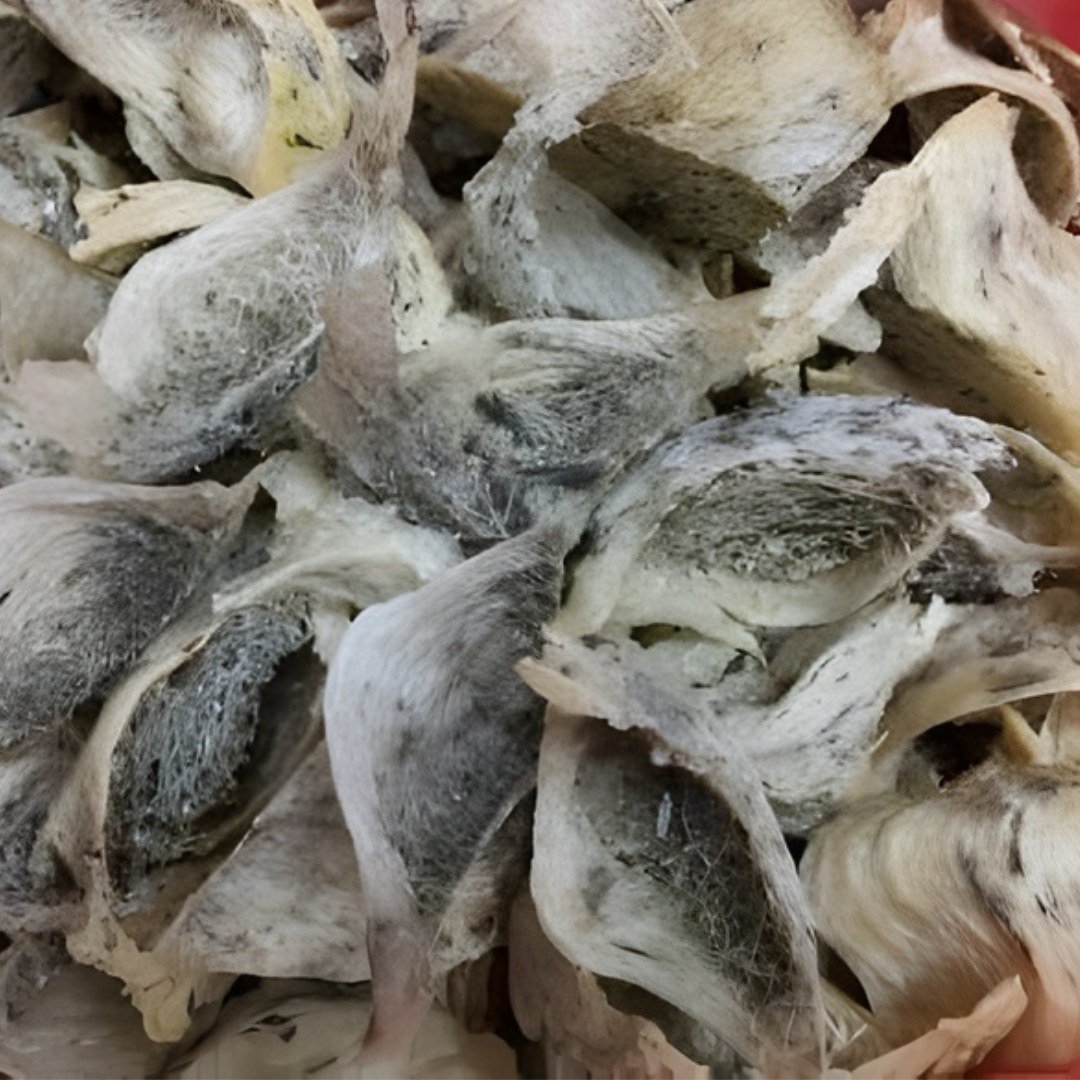
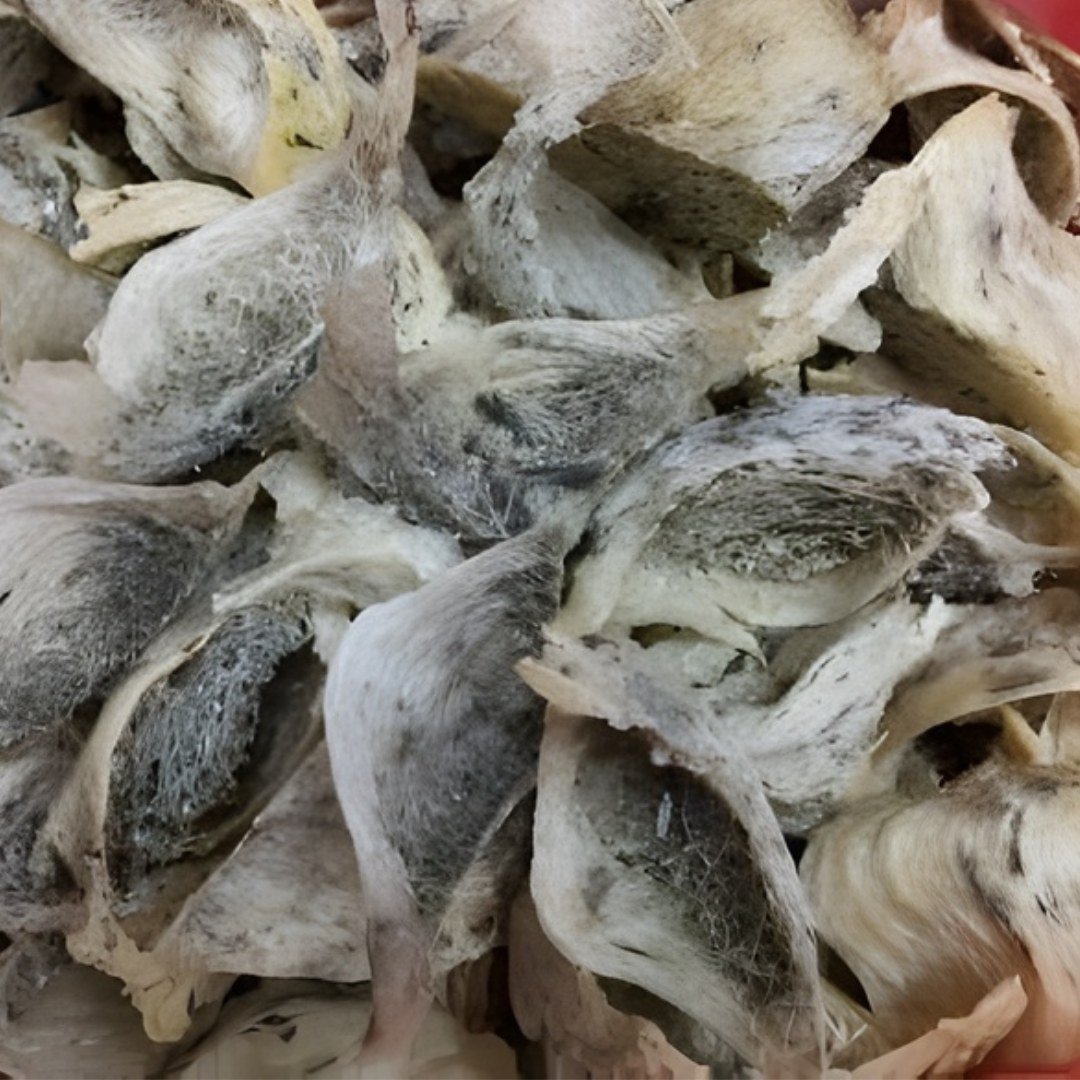
Two. After the season, you harvest and there are fewer nests, and they are dirty. Lots of small black spots that will not wash off, a dull, strange colour. In the trade these are called lumut nests.
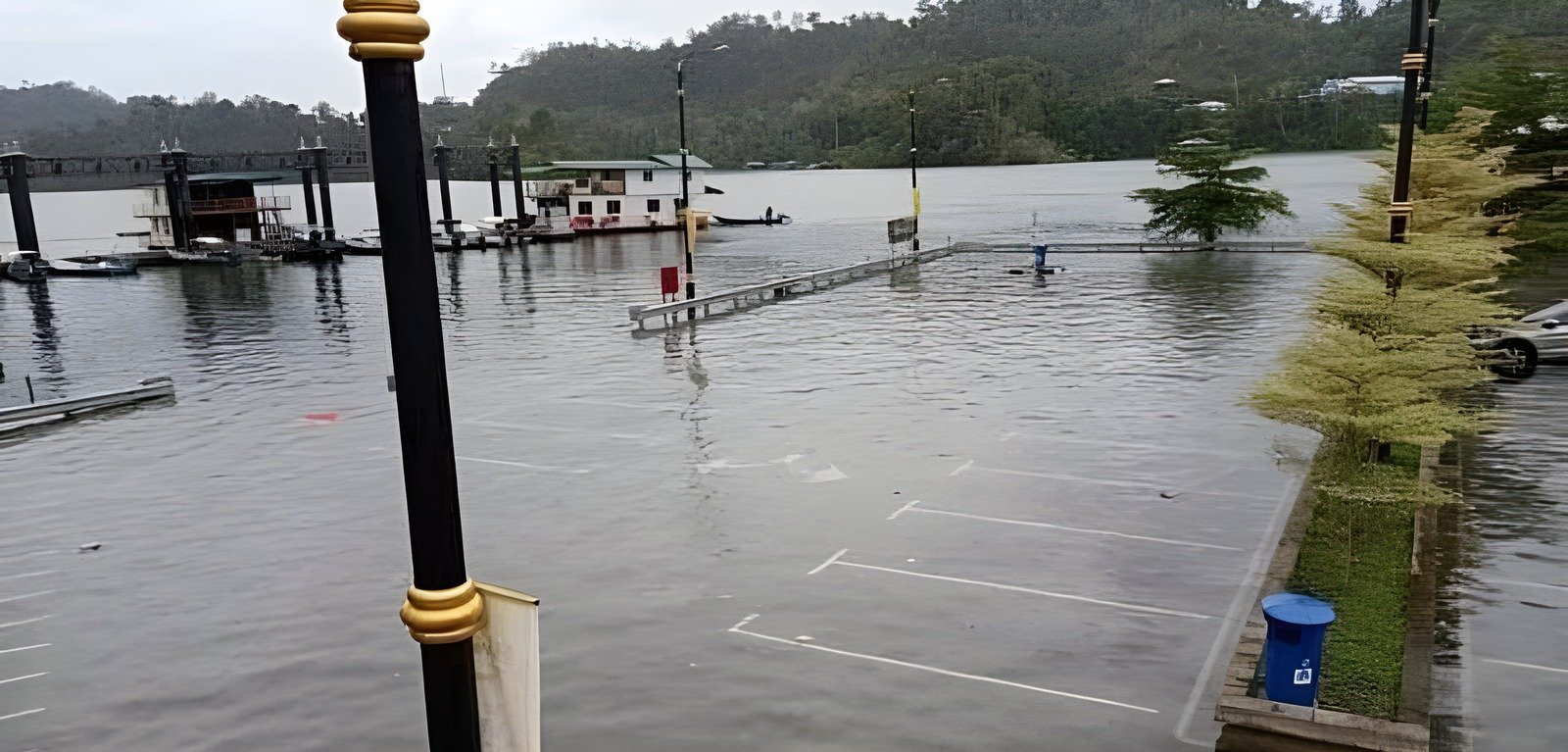
Three. The house sits on low ground, it rains for days, the water rises, and the house may end up standing in water.
The common misreadings
“Rainy days bring more birds.”
There is one way this can be true. Rain drives insects out into the open, and the flock you see is out there feeding.
But more often, the birds circling outside are not eating. Rainy days are usually dark. There is not enough light, the birds do not want to go in, so they play outside. If you have CCTV you will see it clearly: on bright sunny days, a lot more birds are playing inside.
So this one is really about light. I wrote about it in Are swiftlets afraid of light?
“Production dropped after the rains because the birds died of cold.”
Swiftlets do feel the cold, especially in a house that still has few birds, and the newborn chicks that have no feathers yet. If the house is on higher ground, it may be colder.
A big house with a large colony is a different story. Thousands of birds packed together make enough heat to keep warm. The adult swiftlet is not that fragile.
And yet the houses that drop the hardest are exactly these big ones. What you are looking for here is damp. A long rainy season or flooding around the house fills the air with moisture, the airflow inside is not under control, and the nesting planks become the perfect place for mould to grow.
“Keep the misters running as usual.”
When it rains day after day, you do not need to switch on the misters or the humidifier at all. Rainy days are damp enough on their own.
“Put a dehumidifier or a heater inside.”
We have tested this. A swiftlet house is too big a space. We saw basically no benefit, only a higher electricity bill.
“It is raining anyway, so spray the treatments now.”
Treatment here means any liquid: pest spray, plank treatment, hormone, plank cleaner, floor wash. A rainy day is already damp. If you spray now, the liquid is still wet when the birds come home, and that bothers them. Too much damp also brings mould and fleas.
How mould pushes your birds out, step by step
Mould on the planks is a slow boil. It goes in three stages.
The hidden stage. The mould has just started. You cannot see it, but the swiftlets can smell it and feel it. Not seeing it does not mean it is not there.
The visible stage. The nests start to get dirty, with black spots that will not wash off and a strange, dull colour.
The leaving stage. If you still do nothing, the adult birds slowly move out because the place is not comfortable to live in. The chicks that hatch here leave the nest and never come back.
By the end, you watch your harvest shrink and blame the environment or a lack of insects. What really happened is that the planks the birds live on were not looked after.
Damp also brings fleas. In a house with a lot of fleas you will see many small black specks in the nests, like black sand. In bad cases you can even see something crawling on the chicks. All of this affects how the birds grow.
What to check first in the rainy season
1. Switch off the misters and the humidifier. You can do this today and it costs nothing. Whether your house needs more moisture is a question for when it is not raining. I covered that in how to increase humidity in a swiftlet house.
2. Find where the cold air comes in. In the rainy season, watch out for cold airflow. You can reduce the ventilation holes, especially the air intakes. Whether the design can keep cold air out depends on how your house is built.
Insulation is part of the same job. Good insulation keeps the outside heat out and keeps the inside heat in, so the temperature inside stays more stable.
3. Check whether the moisture has a way out. On the lower floors, an exhaust fan mounted low can pull the moisture out. How the different kinds of air move inside a house is in how airflow should work in a swiftlet house.
4. Check the planks and the nests. Are the planks darker than usual, any spots starting to show? Are the nests getting dirty, any black specks? If there is still a water pool inside, it adds the risk of leaks and mould. The reasons are in Does a swiftlet house need a water pool?
5. If the house flooded, check the planks and nests as soon as the water goes down. Once a house stands in water, the humidity inside is basically saturated. Planks start to grow mould, and in bad cases they rot. Insects that like damp are drawn in. The nests get fleas from the damp and fill with black specks. Do not wait until the nests turn dirty before you look.
Only after these do you move to the next step. The MDK Swiftlet House Diagnosis Method runs in this order: diagnosis first, prescription second.
When it is time for a product
With the planks, waiting until you see mould means you are already one step late. Mould does not start on the day you notice it. Spraying a new plank before it goes up is easier than rescuing it later. We use Meranti+ Nesting Plank Enhancer: normally once every three to six months, and in the rainy season about once every two months.
Pick your timing too. Any liquid is best sprayed in the morning, never on a rainy day. Spray in the morning and most of it has dried by the time the birds come home.
And remember, if standing water, rising moisture and stagnant air inside the house stay as they are, the planks will grow mould again.
Your next step
Start with the one thing you can do today: switch the misters off.
Then pick a day, and once the birds are out for the day, walk in with your phone. The darkest, dampest looking planks. A nest with black specks. The air intake vents. The droppings on the floor. And one photo of an entrance hole.
Send them to us on WhatsApp. I will look and tell you where your house is stuck this rainy season and what to change first. This look costs you nothing. If something is missing, we will tell you. No need to get it all ready in one go.