

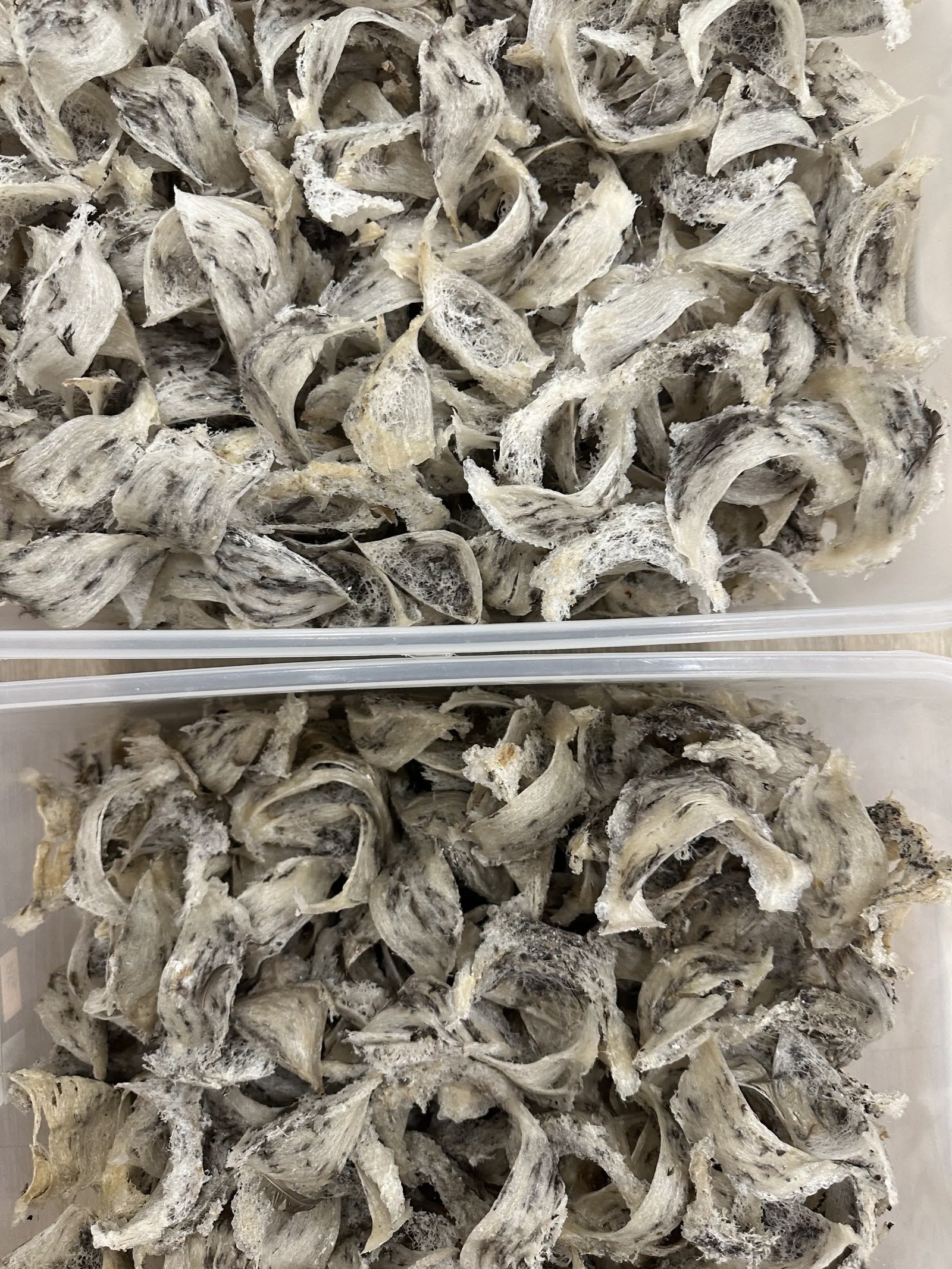
You go up to harvest and some nests have edges curling up off the nesting plank. A few have dropped to the floor. The next question most owners ask is: which humidifier should I buy, and how many hours should the misting run?
Sometimes low humidity really is the answer. But before you spend on a machine, there are a few things worth looking at first. The machine is the last step.
What you are seeing
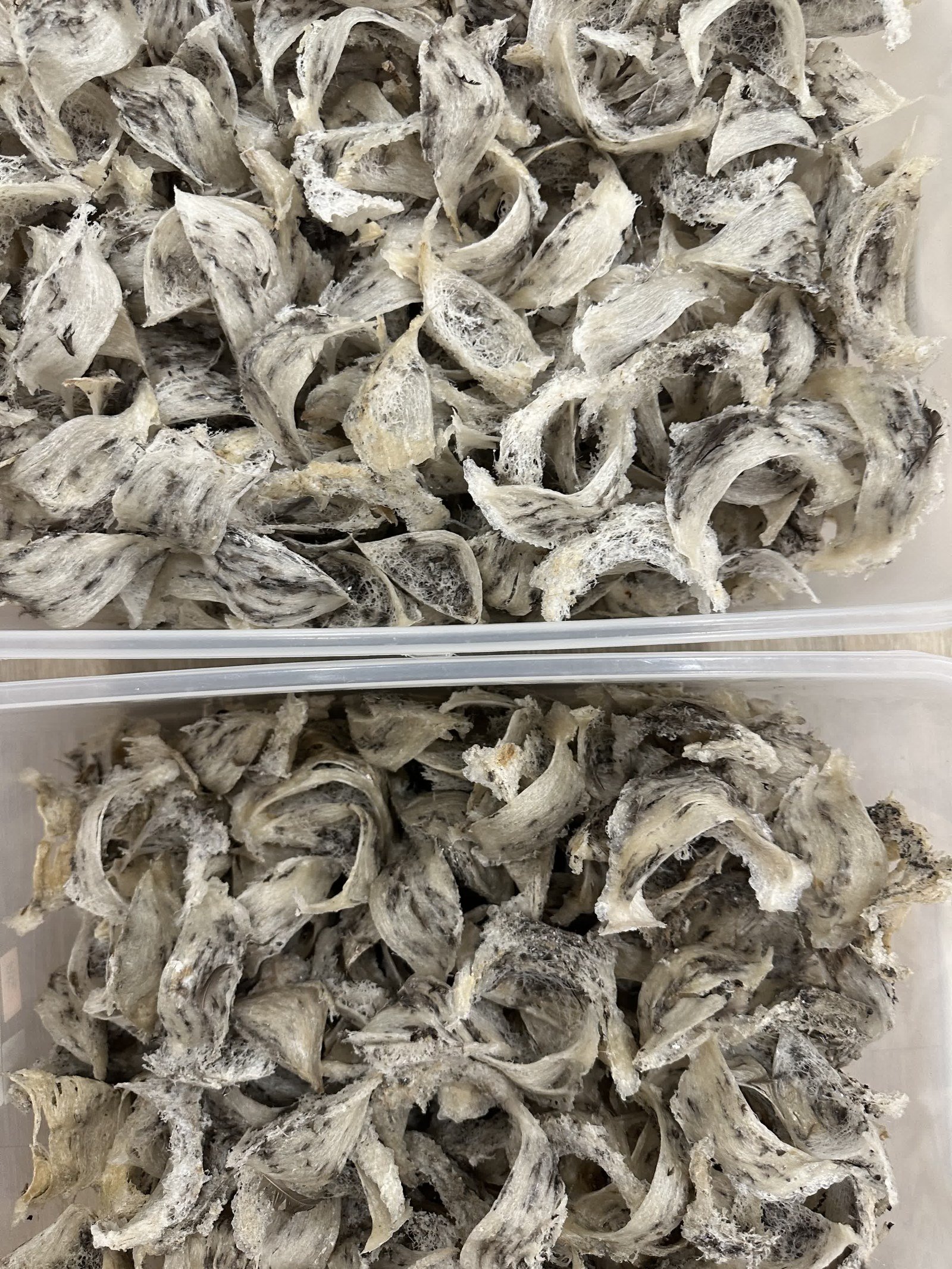
A dry nest shows itself in two ways. The edge starts lifting up, or the whole nest drops to the floor. You can also feel it when you harvest. The nest is dry in your hand.
One thing to separate first. A dry nest and a small nest are two different symptoms.
Nests getting smaller and thinner every year can have more than one cause. A common one is harvesting before the bird has laid. The bird has to build again, its saliva cannot keep up, and the new nest comes out thin.
So look carefully at what you have. Nests lifting and falling, or nests getting thinner each year? The two point you to different places.
Common mistakes
One: hanging a humidity gauge and adjusting to the number.
A gauge on the wall reads the humidity at the wall. The nests are up above. Moisture is heavy, it does not travel up there, so up and down are two different numbers. The height of the house, the temperature difference and the wind at that spot all move the reading too.
Adjust to that number and you are adjusting for a place the birds have nothing to do with. The number looks sure, so you feel sure about the wrong fix.
Two: buying a bigger machine.
In a lot of houses, the moisture comes in and the wind carries it straight back out. The intake and outlet are not designed to hold it. The machine runs, the water keeps escaping, and you still pay the electricity.
In a house like that, any size of humidifier is wasted work. Do not just treat the spot that hurts. If the house is too dry, the fix is not always more spraying.
Three: not enough water, so spray more.
You only need enough humidity. More than enough is too much. Too damp brings mould, especially in a house with poor airflow.
Too damp brings other trouble too. Fleas have a place to live. If your birds look small, thin and ragged-looking, the house is usually damp and mouldy. What happens when the misting runs from morning to night, I covered in what temperature a swiftlet house should be, so I won’t repeat it here.
Four things to check before you buy a machine
1. The entrance comes first. Level line, angle and light are layer one. Temperature and humidity only come in at layer three. We look at houses online for farmers and we are close to 150 houses now. In about nine out of ten, the problem sits at the entrance. If birds cannot come in quickly, a perfect humidity inside does not help.
2. What environment is your house in? Surroundings that are naturally dry, and a house that has enough moisture but cannot keep it, are two different situations with different fixes.
3. Look at the intake and outlet. When moisture comes in, does it stay in the house for a while, or does the wind carry it straight out? This is the same subject as airflow. The kinds of air movement inside a house are in my post on swiftlet house ventilation. How the intake and outlet are matched across a whole house gets detailed, and we take the time to go through it step by step in the Swiftlet Signature Masterclass (SSM). Here I am only covering what you can see today.
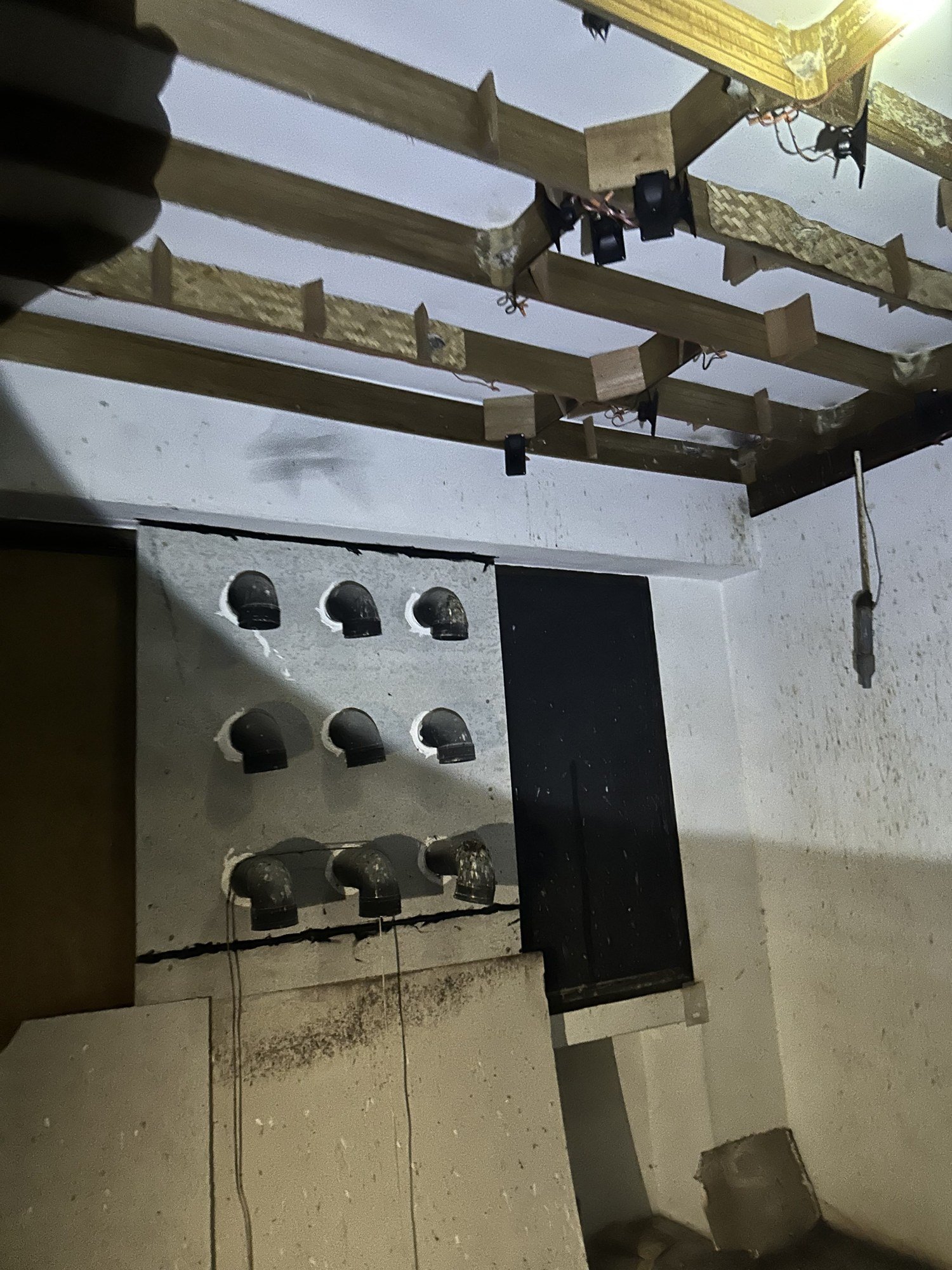
4. Where are the dry nests? The whole house, or only a few spots? Note those spots and photograph them. They are useful when the house gets diagnosed.
How many machines another house runs, and for how long, may not suit yours. Even your own other house that is producing well is no template for this one. A different house holds moisture differently.
When it is finally the humidifier’s turn
After those four checks, if your house really sits in dry surroundings, holds moisture fine, and still does not have enough, that is when equipment comes in.
We make our own humidifier, called Durian, built for swiftlet houses: a droppings guard skirt, a droppings guard cover, and a bladeless design so birds do not fly into it. It runs at 100W, not 120W, because more power means more noise, and it easily sprays too wet in one go, which brings mould. Small amounts often beats a lot at once.
Same rule as always though. Low humidity has many possible causes: airflow, structure, surroundings. Equipment that does not match the problem still costs you electricity, and the problem stays. The MDK Swiftlet House Diagnosis Method works in exactly this order: diagnosis first, prescription second.
Your next step
Hold off on the machine for now.
During the day, once the birds are out, go in with your phone and photograph the entrance hole, a nest that is lifting or has fallen, the exhaust pipe, the second entrance (the second door that birds will pass through in your bird house), and the spot that feels driest to you.
Send them to us on WhatsApp. I will tell you whether it is the environment, the design, or whether you really need equipment. This step is free and you do not need to spend anything first. If we need more, we will ask. No need to prepare everything at once.