

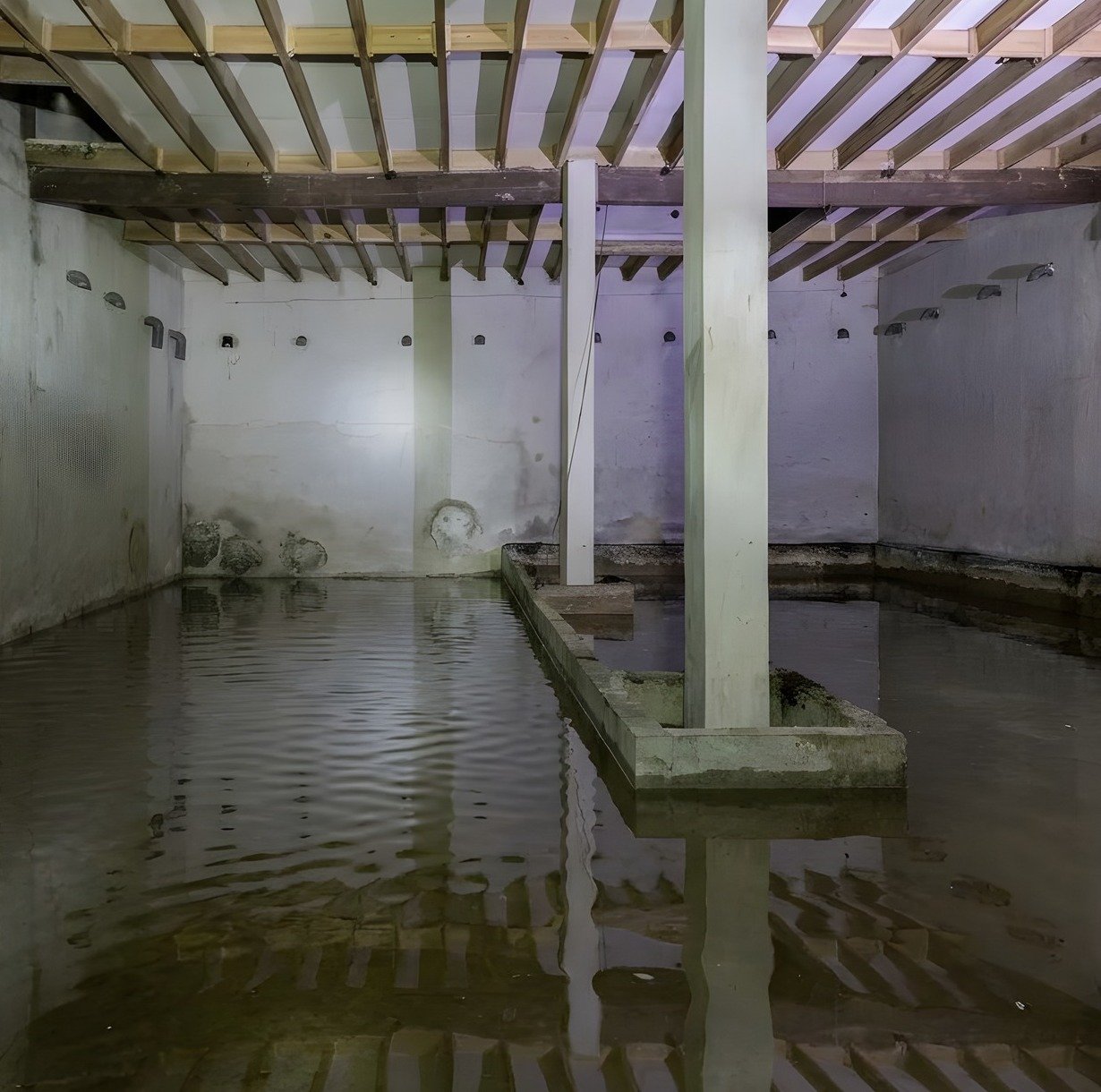
A mister pipe that was never tightened properly. A float that failed, so the water keeps running. A leaking roof, and every time it rains the inside looks like a waterfall. Or the whole area floods and your house stands in the water with everything else.
Most farmers have been through one of these. The water dries, you wipe the floor, and you feel it is over.
The trouble usually comes later.
What slowly shows up after a leak
At first you notice nothing. Over time, you start to see these:
- Fewer new birds, and old birds slowly leaving
- Nests getting dirtier, with a lot of gritty, sandy bits in them
- Yellow nest bases
- Planks turning black or going soft
- You walk in, it is not very hot, yet you keep sweating and the air feels stuffy
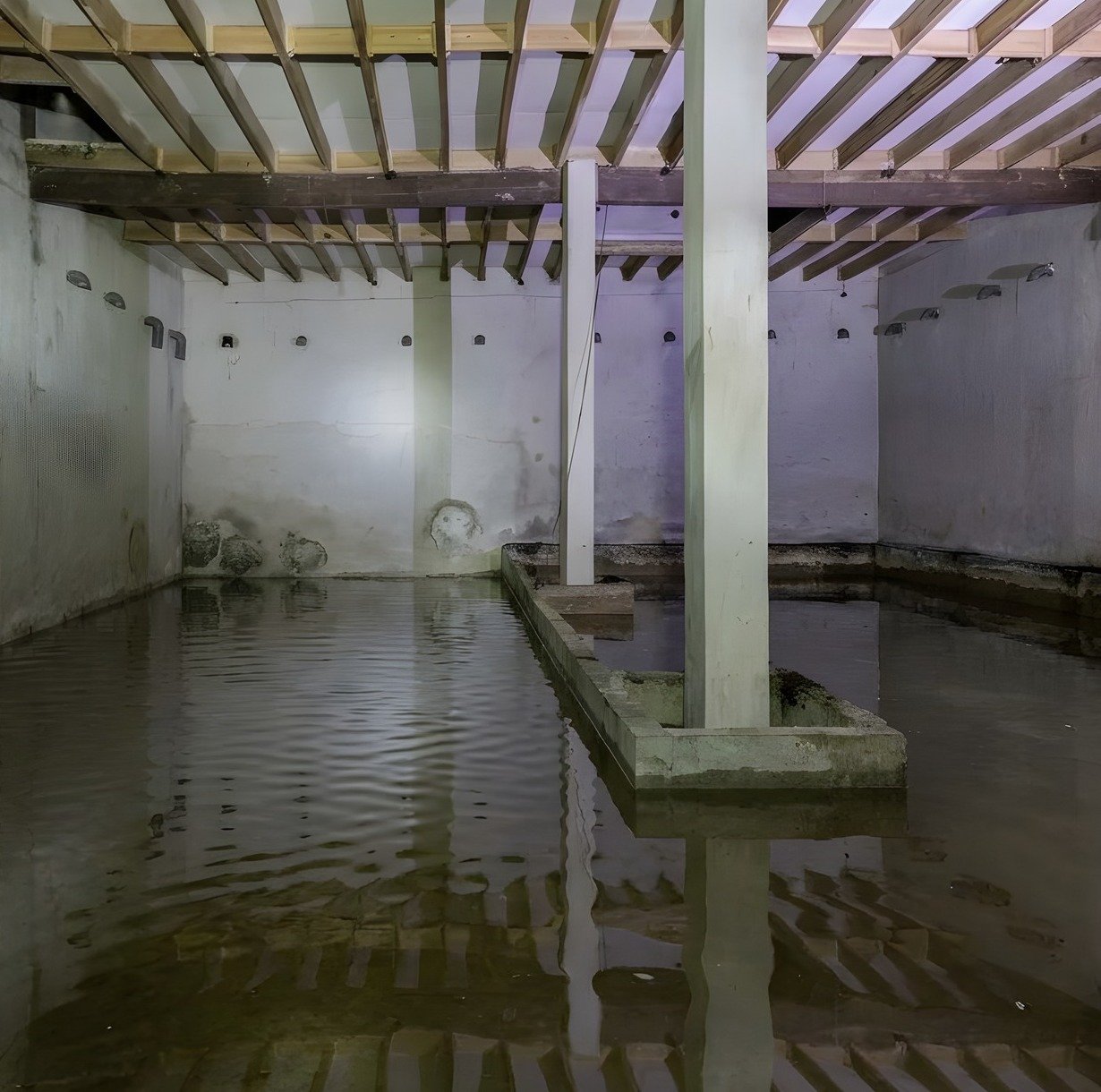
The common misreadings
1. “After the leak there were more birds. So swiftlets love water.”
After a leak, it can really look like there are suddenly more birds playing inside. What you are seeing is only the surface. Years ago some people went further and told farmers to keep water on the floor on purpose. A year later the birds had not increased and the planks were ruined. That story, and where swiftlets really get their water, is in Does a swiftlet house need a water pool?
2. “The water is gone and the floor is wiped. Problem solved.”
Once a house has leaked, your nesting planks have basically been affected already.
The planks are fixed up there. Once they get wet, you have no way to take them down and dry them. If nothing is done afterwards, mould, bacteria and leftover moisture slowly damage the whole environment. The planks start to go mouldy, and so do the droppings on the floor. Damp and mould then bring fleas, and the nests turn dirty.
When mould first starts, you may not see it with your eyes. Not seeing it does not mean it is not there.
3. “I don’t even run my misters. How can the house be damp?”
Moisture does not need you to spray it in. Leaks, floods and damp rising from the floor all bring it. If the outer wall was not finished properly, rain soaks in and gets trapped between the two layers of brick.
So even with no humidifier running, a house can be too damp. Too much damp makes the eggs take longer to hatch, and some birds leave because they are not comfortable.
4. “Birds are down, so change the sound, the tweeters, the scent.”
Many people keep changing these and never properly check their planks.
5. “The planks are dirty, so hose them down.”
Washing planks with a hose is itself one of the causes of mouldy planks. The water has only just left, and you are putting it back.
6. “The planks are mouldy, so rip them all out and put in new ones.”
If the water problem has not been dealt with, the new planks will go mouldy too. Whether to replace, and how to do it without scaring the birds off, is in Should you replace damaged nesting planks?
The after-leak checklist
1. If equipment got wet, cut the power right away.
If an amplifier or player has been in the water, do not switch it back on before it has been cleaned and you know it is safe, or you can cause a second round of damage. Then send it for repair quickly. Once dirty mud gets on the circuit board it starts to oxidise, and after that the main board cannot be repaired and has to be replaced. This step cannot wait.
For the steps below that take you inside, go during the day, after the birds have flown out.
2. Stop the water, then check the other equipment.
Pipes, float, roof, walls, water pool. Find where it is coming from and fix it. Until the source is dealt with, washing planks or spraying anything is wasted work. A flood is the exception. There is no leak to fix, so you wait for the water to go down.
Then see whether any other equipment has failed.
3. Check for standing water and stuffy air.
If there is still water on the floor, clear it. Walk in and feel whether the air is stuffy. If it still feels stuffy after the leak is fixed, look for another source of moisture, starting with the walls and the floor. How to manage moisture through the wet months is in What to watch in your swiftlet house during the rainy season.
4. Shine a torch on the planks.
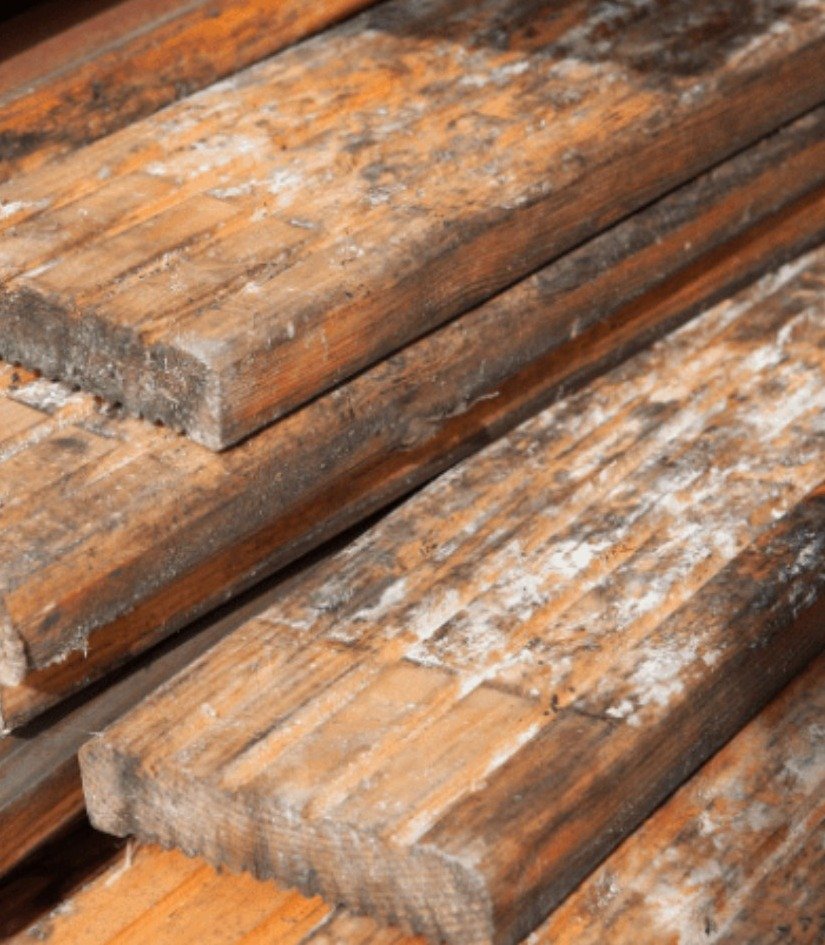
In a mild case you will see a layer of greyish white powder. In a serious case the planks start to turn black and go soft.
Check the planks near the leak, and check the lower floors too. Water runs down, so the floors below are usually wetter than the floors above.
5. At harvest, look at the nests.
Are the nest bases yellow? The plank takes in water and passes it on to the nest. Yellow only in the rainy season can point to a leak. Yellow all year can mean a leak you do not know about yet, though there are other causes too.
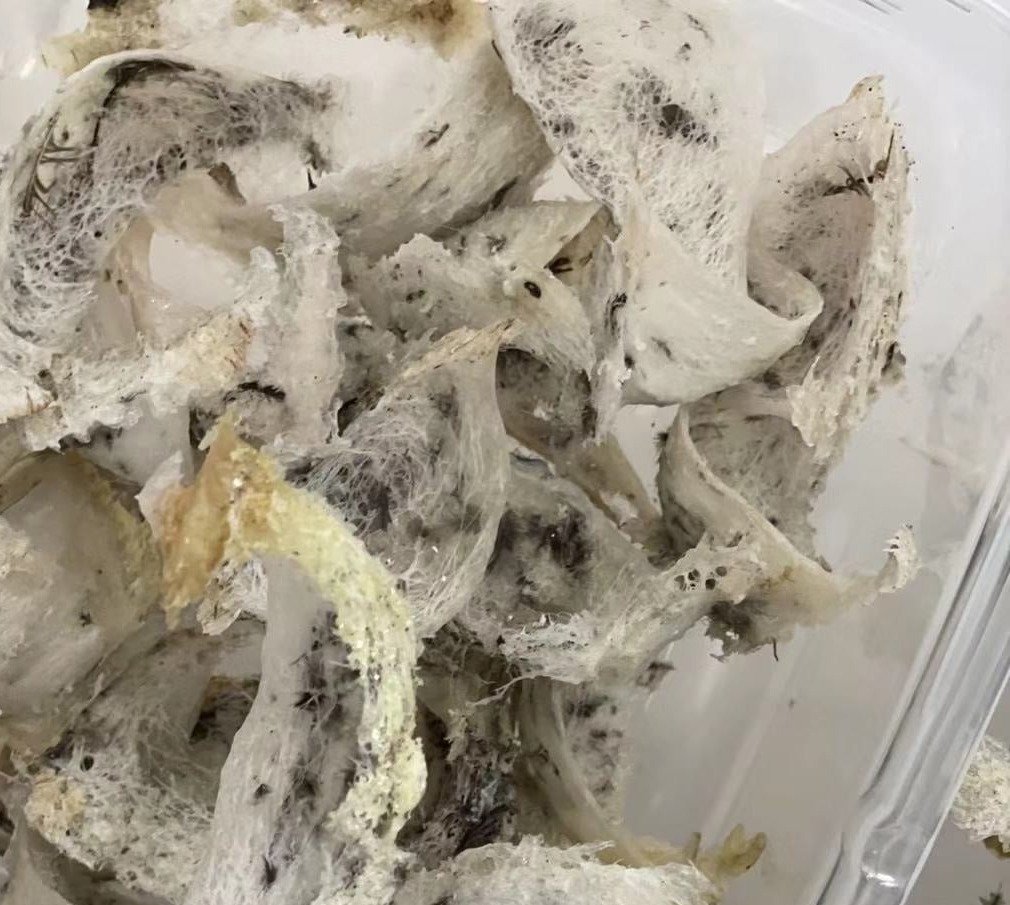
Are the nests getting dirty, with lots of small black specks and gritty bits? Damp and mould bring fleas, and the nests easily end up like this.
This is also one way to find a leak. At harvest, notice where the nests look wrong.
6. Look at the droppings on the floor.
Are they starting to grow mould? Have they turned sticky?
7. Think about when the planks were last cleaned.
If your planks have gone more than six months without cleaning, or they got wet in a leak and nothing was ever done, it is time to check your house properly.
Go through these first, and then we talk about the next step. That is the order in the MDK Swiftlet House Diagnosis Method. Diagnosis first, prescription second.
When it is time for a product
Talk about washing the planks after the water is fixed, and not before.
A lot of people are afraid to wash planks because they fear mould. Damp does make planks go mouldy more easily, so what matters is not spraying too much water, and first making sure nothing is still leaking.
What to wash with, and whether to replace any planks, depends on how far the mould has gone and how many nests that area had. We need to see it before we say.
Your next step
Do one thing today: stop the water. If it was a flood, wait for it to go down.
Then pick a day, wait until the birds are out, and walk in with your phone. Take a photo of where it leaked, the planks in the area below it (close up, with a torch on them), a nest base or any nests that look wrong, and the droppings on the floor.
Send them to us on WhatsApp, and tell us roughly how long it leaked and whether any equipment got wet. We will look and tell you what to deal with first in this house. This look costs you nothing. If something is missing, we will ask you for it.