

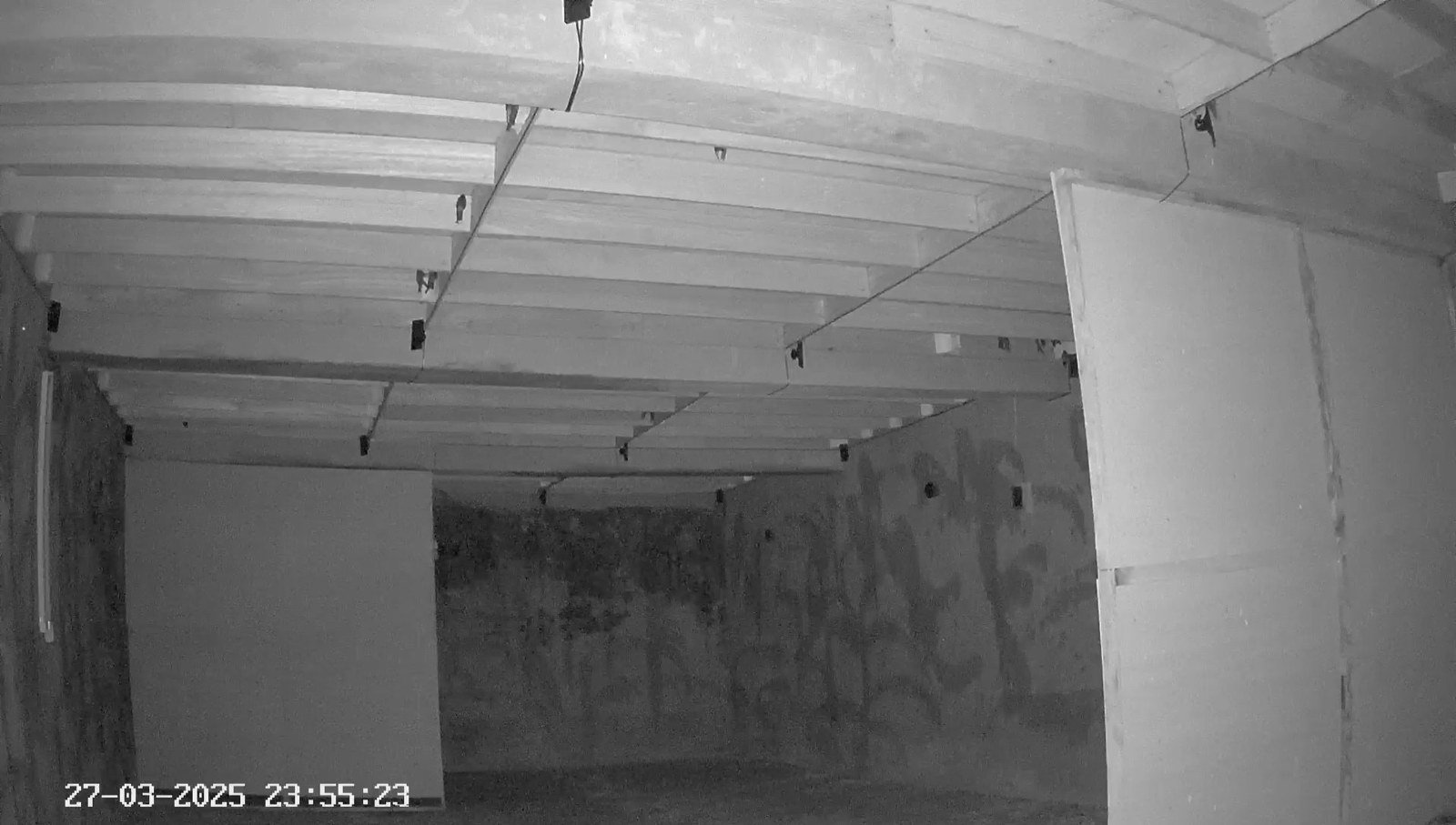
One time, a few swiftlet farmers came to us around the same time with the same story. Within one or two months their nest count kept falling. Straight down, like an elevator with the cable cut.
Almost all of them asked the same first question: “Is my swiftlet house getting old?”
That is a normal thing to think. But stop for a moment and look at one thing first: how fast did it drop?
Fast and slow are two different problems
There are many reasons a swiftlet house loses nests. But a slow drop and a sudden drop send you to look in two different places.
A slow slide over several years. A bit fewer this year than last year, a bit fewer again next year. Most of the time this points to aging, the nesting planks, or airflow. And a house does not wait five or ten years to start aging. It starts the day it is finished. I explained that in Swiftlet house getting old.
A crash inside one or two months. Everything was fine, then suddenly only a few birds are left. When we see a production drop this sharp, most of the time it comes back to predators. Something got into your house.
So step one: check your own records, or think back. Has it been sliding slowly for years, or did it fall suddenly in the last month or two? Different answer, different next step.
The usual mistake: checking the equipment when something got into the house
When the numbers crash, most owners suspect the house itself. Is it aging? Is the sound wrong? Is the temperature or humidity off?
The problem is, if the real cause is a predator, suspecting the equipment sends you the wrong way. Take the hardest one to catch: there is a kind of bat that eats swiftlets, and it does not keep to one spot, so the owner never even sees it. All he has is the result, fewer birds, so he keeps thinking about the equipment and gets more and more confused.
There is something even more common: many owners have no idea what is eating their birds. No CCTV, nothing to stop animals climbing in, no idea where the predator even got in.
And some predators do not look like predators at all. Squirrels are a good example. People see a cute animal and assume it only eats nuts. Most of what it eats really is nuts, seeds and fruit. But it eats almost anything, and now and then it changes the menu: eggs, chicks, and swiftlets too. It climbs very well. Walls, beams and pipes do not stop it. Worst of all, it eats and leaves, sometimes without even leaving droppings behind, so you walk in and find nothing.
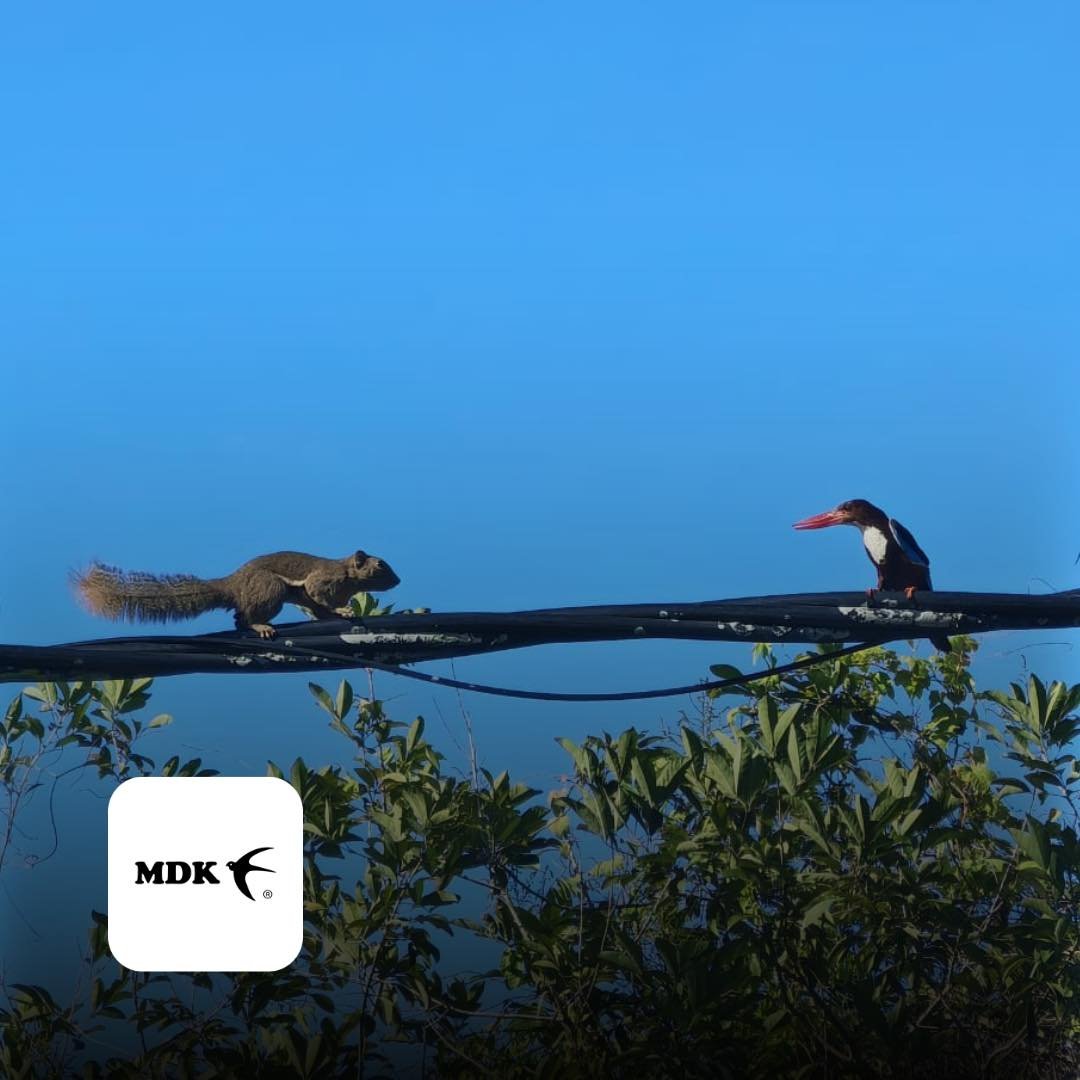
Besides squirrels, most kinds of rats will also come into a swiftlet house looking for birds to eat.
One more thing that works the other way round: the more birds you have, the more predators come looking for food. Especially a house where lots of birds keep circling outside without going in. That kind of house pulls predators in more easily. So “I never had predators before” does not mean you do not have them now.
How to check a house that crashed fast
One, look at your CCTV. Without a camera, this question is almost impossible to answer. When you walk in, you only see what was left behind. When it comes and where it comes from, only a camera can tell you. If you already have one, go back through the last month or two and look for anything that is not a swiftlet. If you do not have one yet, this is the first thing a house that crashed fast needs.
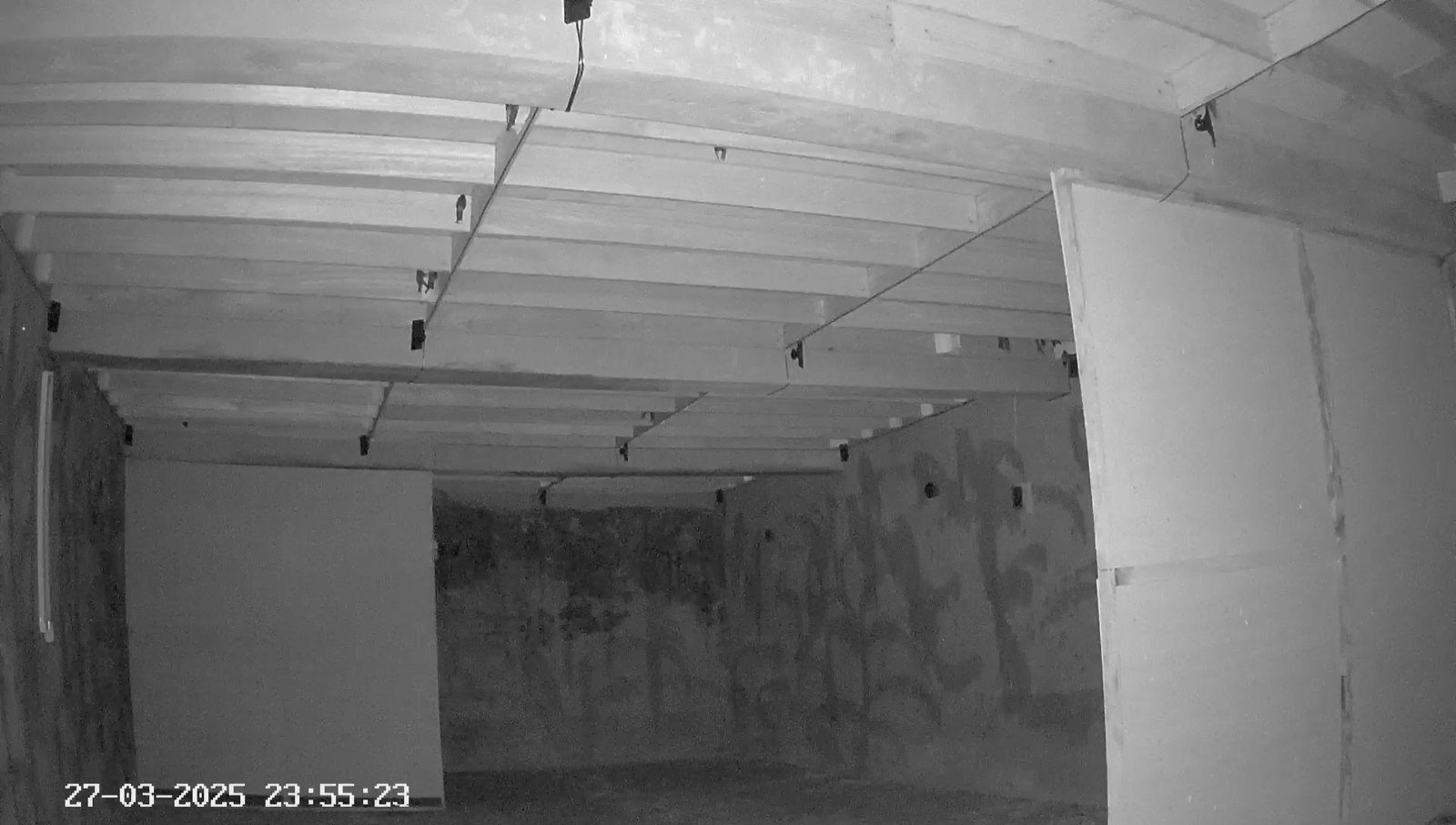
Two, go in during the day and look at what was left behind. Wait until the swiftlets have flown out before you go in. Do not go up while the birds are inside. Look down at the floor and up at the planks:
- Birds that were bitten, nests that were torn apart
- Swiftlet droppings that look wrong
- Droppings from another animal. No smell, with whole swiftlet feathers inside, is most likely a snake. A bad smell, big and long, with feathers too, is most likely an owl
- Feathers scattered around, or feathers in piles. Piles are very likely rats
Droppings or feathers you cannot identify, leave them. Photo first, sweep later. Once you know who it is, you know what to follow next. With a snake, you follow the path it climbed in. With an owl, you follow the spot where it lands.
Three, find the way it came in. Where the electric cables enter the house, vents, drains, gaps under doors, outside walls that can be climbed, and the entrance hole itself. Each predator uses a different path, and these posts go into each one in more detail:
- Feathers on swiftlet house floor
- Snake in swiftlet house
- Geckos in swiftlet house
- Owl in swiftlet house
- Rats in swiftlet house
A sudden drop can also come after a break-in. The biggest loss is usually not the nests that were taken, it is the birds that got scared off afterwards. I wrote about that in Swiftlet house theft prevention.
When equipment comes in
Small traps, high voltage, rat bait boxes, anti-climb protection. They all work. But which one to fit, and where to fit it, you can only decide once you know who it is and where it gets in. Fit things all over the house before you know what it is, and you spend the money while the real path may still be open.
Also remember this. Putting poison inside, catching inside, those are things you do after the predator is already in. The part worth your effort is prevention, so it cannot get in at all.
Know who it is first, then decide what to fit. That is what the MDK Swiftlet House Diagnosis Method comes down to: Diagnosis first, prescription second. Keep the birds safe, and the nests stay steady.
Your next step
Pick a day and go in during the daytime, after the swiftlets have flown out. Film your way in from the entrance hole on your phone, talking as you go. When you see droppings you cannot identify, piles of feathers, bitten birds or broken nests, stop and film them clearly. Do not sweep anything first. Then record the internal sound and then the external sound. If you have CCTV, cut out the clips that look suspicious to you as well.
Send it all to us on WhatsApp, free. We will tell you whether it looks like a predator or something else, which one is most likely, and what to close up first. If we need more information after that, we will ask. You do not need to prepare everything at once.