

A lot of swiftlet farmers tell me, “My house has never had rats.”
Honestly, if there are rats in your house, you almost never see them. What you see is what they leave behind, and one result: the birds seem to be getting fewer.
This topic has been shared on Facebook many times and people still keep asking. So here it is in one place: how to recognise rats from the signs, and what to do once you know. Shophouse or out in the country, it does not matter. Rats are something you have to guard against.
Rats do more damage than owls
Once an owl has eaten, it mostly leaves the other swiftlets alone. Rats are different. A full rat keeps on wrecking things. It eats the young birds that cannot fly yet. It bites holes in the nests. It even chews tweeter wires and power cables, things it cannot eat at all.
We have seen it with our own eyes: a swiftlet house that was doing well, ruined by rats within a few months. So with rats, the one word that matters most is speed.
What you will see
Pick a day, wait until the birds have flown out, then go in. Look down at the floor, and look up at the nesting planks too. These are the signs.
One: feathers lying in heaps. Scattered feathers and heaped feathers mean different things. I explained how to tell them apart in Lots of feathers on the swiftlet house floor?. If they are in heaps, there is a good chance it is rats.
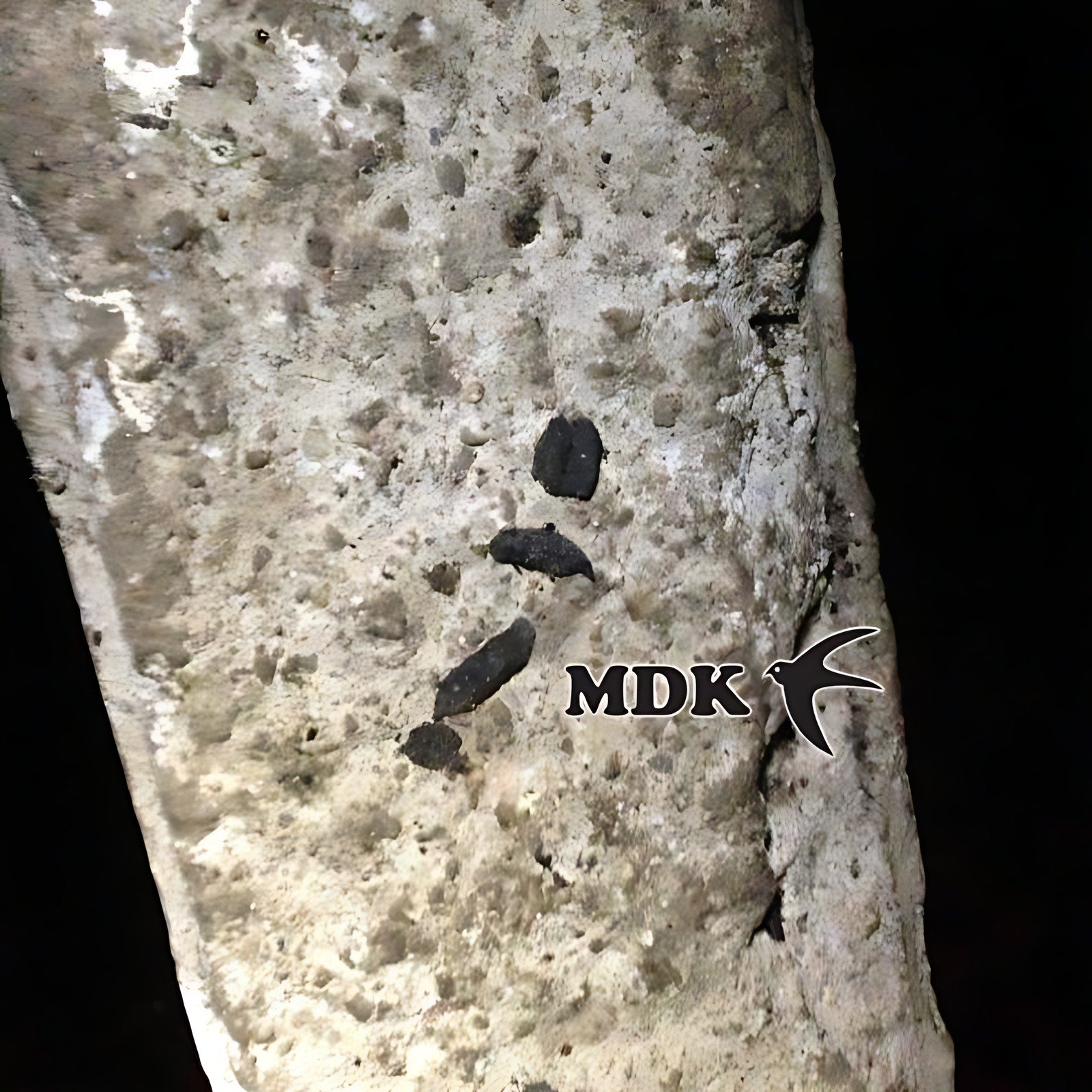
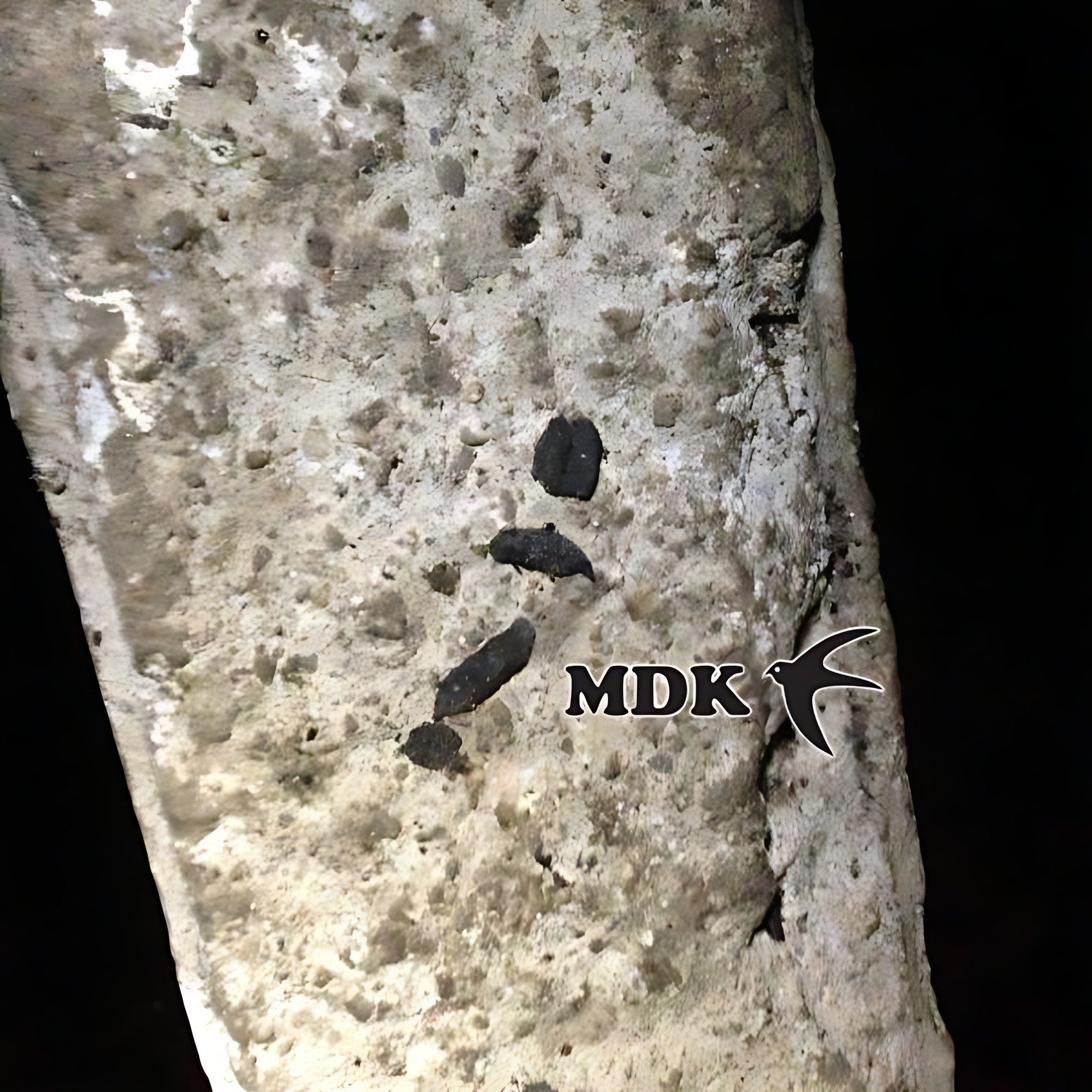
Two: droppings bigger than swiftlet droppings. When you are not sure, this is the quickest check. Rat droppings are bigger than a swiftlet’s.
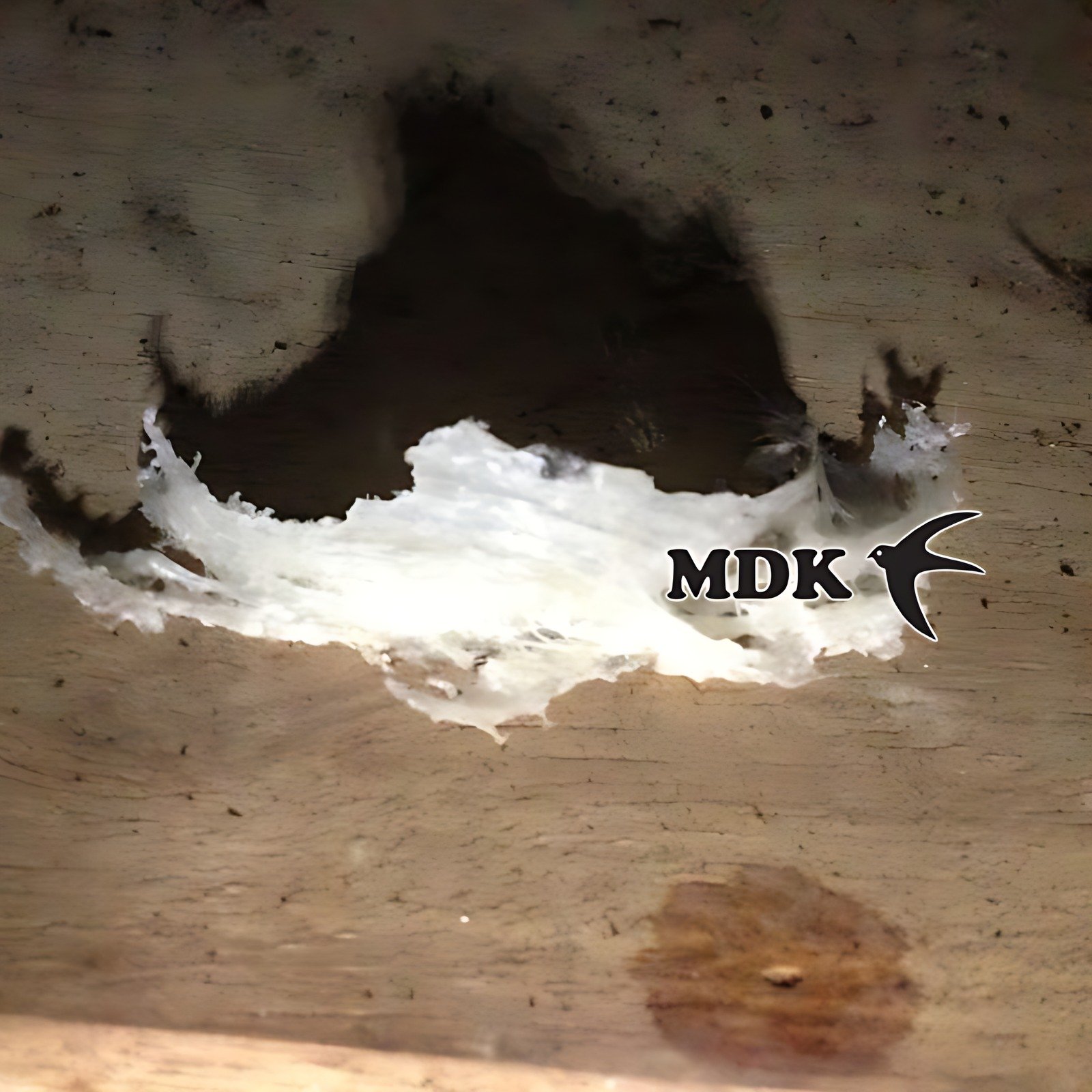
Three: a nest with a hole in it. If the broken part looks like the shape of a mouth bite, it is very likely a rat.
Four: dead birds you find are not whole.
Five: tweeter wires or power cables that have been chewed.
If you find none of these, do not be too quick to say there are no rats. Not seeing it does not mean it is not there.
The usual wrong calls
One: “My house has no rats.”
Once, we thought a house had no rats. We put a rat bait box in anyway, just to be safe. When we checked a while later, the poison had all been eaten.
Two: “The nesting planks are so high, rats cannot get up there.”
Rats really do climb walls. If the wall surface is even a little rough, they can climb it, unless that part of the wall has aluminium sheet on it.
Three: poison thrown on the floor, and only one kind.
Some rats are clever and will not eat anything lying on the floor, so put the poison on a plate or tray. Also, each kind of rat has its own favourite taste. Put out a few different kinds of poison.
Four: glue traps put anywhere.
In a damp spot a glue trap stops sticking very quickly. If you use them, only put them where it is dry.
Five: you catch one and think it is over.
Catching it only deals with that one rat. What matters most is stopping the next one from getting in.
Rats already inside: what to do
Do these at the same time, and do them fast. Do not finish one before you think about the next.
Trap them now. A cage is the fastest, the kind that can catch several rats at once. A snap trap works too.
Put out bait. A few different poisons, on plates, along the route the rat always uses. Like we say on our website, bait put just anywhere is only feeding it.
Find where they hide. The usual spots: a corner full of junk, above the ceiling, under the water tank, under the stairs. The more junk there is, the more places it has to hide, so clear what you can.
Find the holes they come in by, and close them. Door gaps, toilets, drains, ventilation openings and the spot where the wiring enters the wall: I listed those in Snake in your swiftlet house, and rats use them too. A few that post did not cover: holes left by leaks, the opening for an exhaust fan, and the entrance hole itself, which rats reach by climbing the outside wall. In a shophouse there is one more: they can come across from the ceiling of the shop next door. Any hole will do for a rat, even a very small one.
When equipment comes in
Putting poison inside the house is what you do after the rat is already in. Where you should really spend your effort is keeping it out, not waiting until you see a rat before you act.
Most of the equipment for that goes outside the house. A rat bait box outside, so it gets dealt with before it reaches the house. Aluminium sheet on the outside walls, around the entrance holes and the ventilation openings, so it cannot climb up. High voltage can go on the outside walls, at the entrance hole and at door gaps.
But which one, on which wall, at which hole depends on where the rats are actually coming in, and every house is different. That is the order of the MDK Swiftlet House Diagnosis Method. Diagnosis first, prescription second.
Your next step
Pick a day and wait until the birds have flown out. Then film your way in from the entrance hole on your phone, talking as you go. Whenever you see heaped feathers, bigger droppings, a broken nest or a chewed wire, stop and get it clearly on camera. Record the internal sound and then the external sound.
When you come out, walk around the outside of the house and take a few photos of the door gaps, drain holes and ventilation openings too.
Send it all to us on WhatsApp. It is free. We will tell you whether it looks like rats, where they are most likely coming in, and which hole to close first. If we need more after that, we will ask. You do not have to get everything ready at once.
For the predators that fly in through the entrance hole, see Owl in your swiftlet house.