

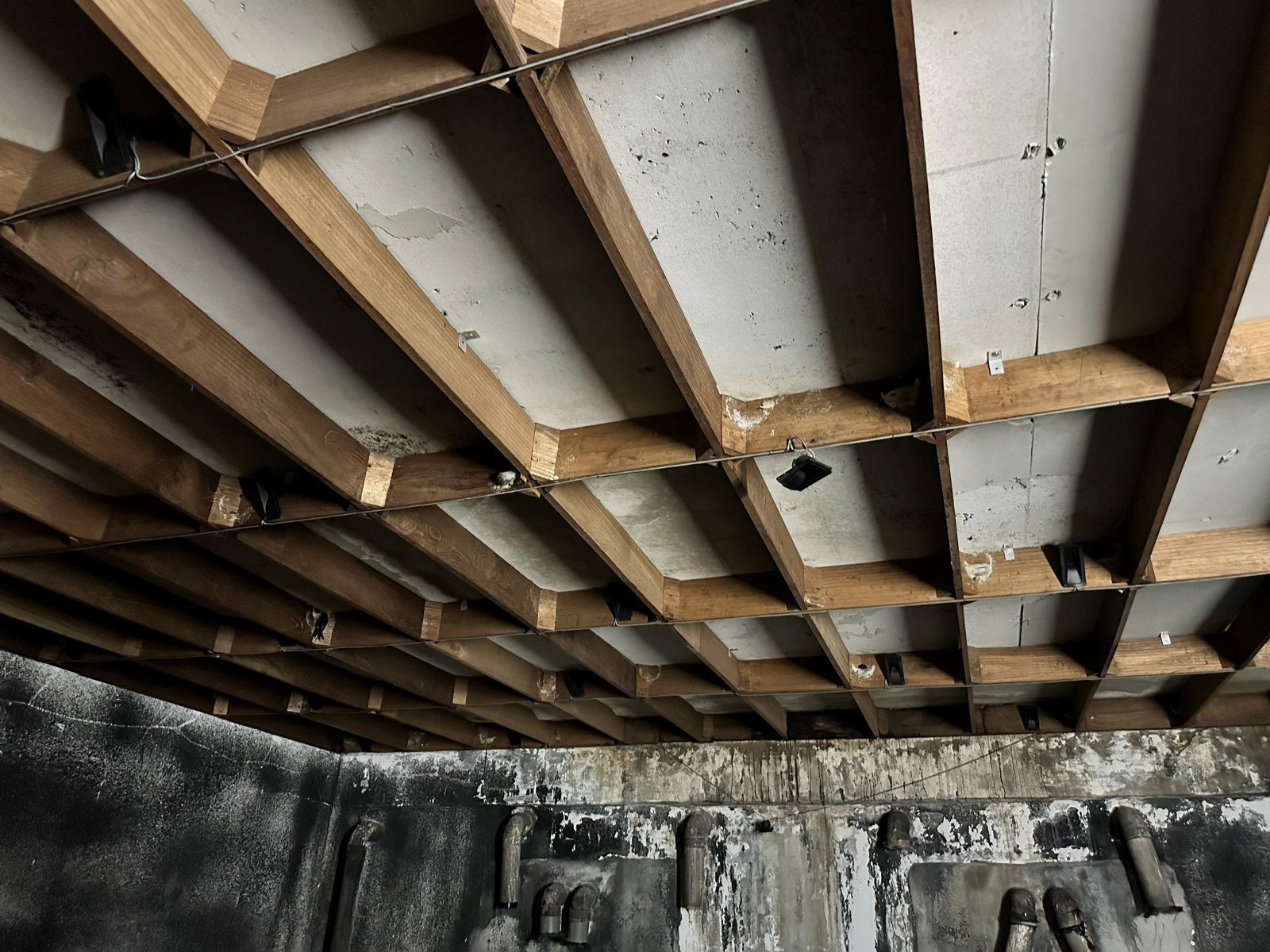
You are building a new swiftlet house, or the old one needs a batch of new planks. A lot of people ask me: which wood is better?
Let me give you my own view. I am not a timber expert. What I know comes from years of looking at swiftlet houses and selling planks.
What wood most farmers use
In Malaysia, most nesting planks are meranti. There is not much argument about that.
Why meranti? Three reasons. It is not too hard and not too soft. Its smell is mild. And it is fairly easy to find.
Meranti comes in many species, and the names change with where it grows. The ones you hear most are Meranti Bukit, Seraya, which is common in Sabah and West Malaysia, and Nemusu, which you see more in West Malaysia.
What farmers here usually talk about is the harder red one and the softer one.
Dark Red or the softer meranti
Dark Red Meranti is dense and hard, and it looks nicer.
The softer one is usually Seraya. It is less dense, and a lot of people say it goes mouldy easily.
Here is the thing about mould. If you cannot control the moisture in your house, any kind of meranti will go mouldy. So when it comes to mould, moisture control comes first.
What we have seen ourselves: we put up Dark Red and Seraya corner wood at the same time, and the Seraya got birds sooner. Looked after properly, it did not go mouldy either.

The softer wood has one thing to watch. Soft meranti is more likely to show small borer holes. If you see holes, look at the floor under them for small grains of insect droppings. If they are there, you need to deal with the insects. If not, carry on with your normal plank maintenance.
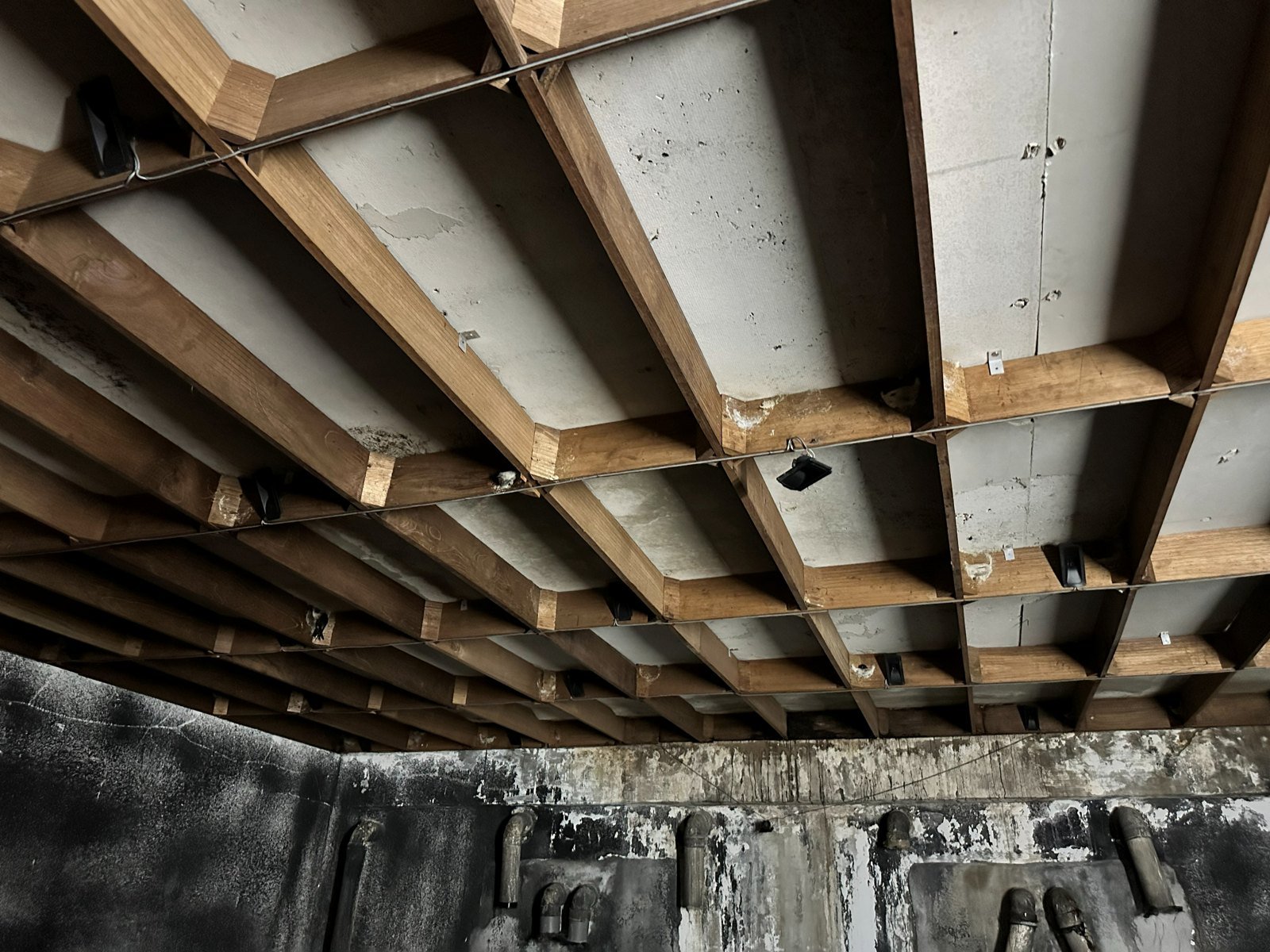
Common mistakes
1. Afraid of mould and termites, so skipping wood altogether.
More than ten years ago I saw people making nesting planks out of concrete. They had plenty of reasons: normal planks go mouldy, termites, planks do not last, and they wanted a surface like a cave.
Almost none of those houses ended up with results. The few that did were not doing well.
Why? There are a lot of possibilities. When the concrete planks are cast, the plywood moulds are coated with black oil so they do not get damaged. Once the planks come out, they keep that black oil smell no matter how much you wash them. It may also be that the birds do not like the chemical smell of the cement. The bigger possibility is the surface temperature. On a cold day a concrete surface gets very cold, and on a hot day it gets hot.
So wood is still the better fit for a swiftlet house. You just have to look after it and keep the moisture under control.
2. Throwing out every plank with knots or marks.
A lot of buyers complain about planks with knots. Those parts are actually better than plain planks. A whole ceiling of planks looks almost the same, and a bird finds its way back to its own nest using markers. A knot is one of them. I covered this in should you replace damaged nesting planks, so I will not repeat it here.
What to check when you buy
Very often there is not much choice where you live. You use whatever the timber yard has. You may not get to pick the species, but you can still ask about and look at these:
1. Is it real meranti?
There is a lot of passing off out there, other timber used as filler or grades far below what was promised. If you are not sure, send photos and ask before the planks go up. Once they are nailed up, finding out they are wrong and pulling them down again is expensive.
2. Has it been kiln-dried?
Kiln-drying cuts down the mould that is already in the wood, and it brings the moisture content down. Planks with lower moisture are less likely to go mouldy after they are up, and less likely to warp. You can also ask the yard whether they checked the moisture content after drying.
3. The number and depth of the grooves.
Grooves give the birds grip and act as a position marker. A few are enough. Too many grooves means too many gaps, dust collects in them, and the plank gets darker and darker. How many and how deep goes together with your plank width and spacing.
4. If you have a choice, avoid pieces with a lot of bark.
5. Was the house treated for termites?
The meranti used in swiftlet houses is basically untreated wood. If the house was not treated against termites before it was built, termites can become a problem once the planks are up.
Once the planks arrive, then we talk products
Planks from the yard are not ready to nail up straight away. Cutting leaves sawdust and dust, and loose bits of wood along any uneven cut. Scrape those bits off with a knife, wipe the dust off with a damp cloth, then let the planks dry in the sun.
Wood can carry mould from the time it was still a tree. So before new planks go up, we suggest spraying them once, or soaking them, with our Meranti+ Nesting Plank Enhancer, then letting them dry. It takes away the wood’s own smell, kills mould, and helps keep mould from coming back.
If the planks keep going mouldy after they are up, look back at the moisture in the house. If the moisture is not under control, any kind of meranti will go mouldy. Why planks start going mouldy after the rainy season, I covered in why swiftlet production drops after the rainy season.
Next step
Before the planks are nailed up, take a few photos and send them to us on WhatsApp:
One of the plank face, one of the cut end so we can see the colour and grain, and close ups of any pieces you are worried about, knots, bark or holes.
Tell us whether these planks are for a new house or for replacing planks in an old one, and whether the house has a mould problem now. We will tell you whether this batch is fine to use and what to do before you nail it up.