

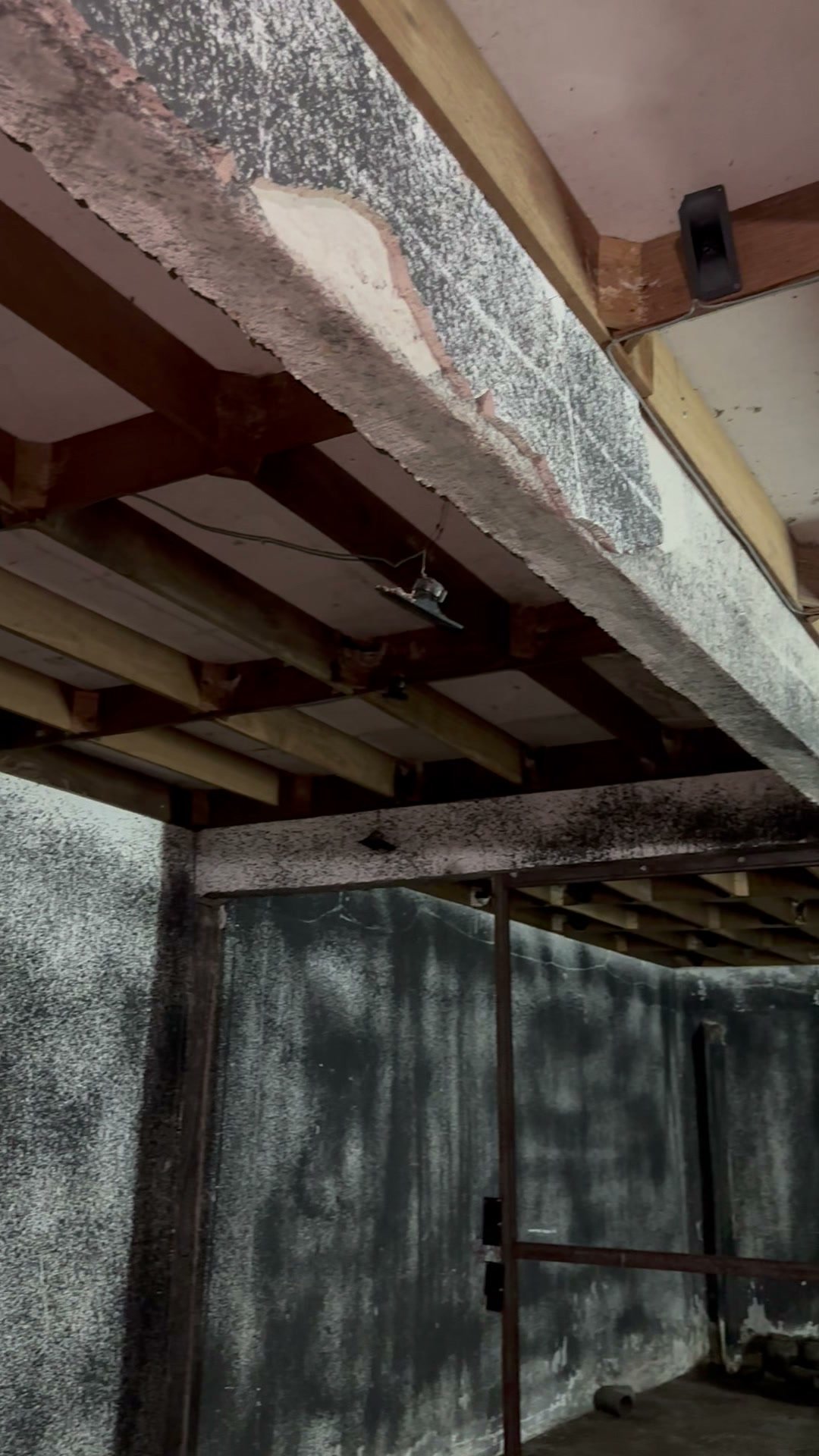
The house is built. The walls are poured concrete, the partitions are in, upstairs and downstairs are already split.
Birds come, but the numbers will not climb. So you start to wonder: was the layout wrong from day one? Should you knock something down? Which part?
Put the floor plan away for a moment. A plan can look perfect on paper, but the swiftlets are the ones living in it. What you need to see is where, after they fly in, the birds fail to make the turn.
What you see
Two things show up often when the layout is the problem.
One: the birds play upstairs. Upstairs is busy, downstairs is quiet, as if downstairs does not exist.
Two: if you have a camera inside, you see birds reach a certain corner, fail to turn, and keep bouncing back.
These two do not always come from the same cause, so let us take them one at a time.
First, a point where two of us say it differently
Which stage of the layout is the hardest for the bird to get through? On this one, Kiew Meng Kui, who teaches the Swiftlet Signature Masterclass (SSM) with me, and I do not say the same thing. I will put both as they were said.
My version: a bird coming into a house has a few mental barriers to get past. The first is outside, circling, deciding whether to go into this house at all. The second is after it comes in: does it go on through the second wall? If it can get past the first and the second, going on to the third, meaning one of the partitions inside or the area behind it, is much easier. So the hardest part is getting it through the first and then the second, and that time has to be short. What makes it short is three things: the flight path, the light, and the sound. If the inside is very dark, or the bird has to make a lot of turns to get in, it may choose not to go in.
Kiew Meng Kui’s version: a bird going into the first entrance (the hole the birds fly in from outside) is usually not the problem. Most of the problems are at the second entrance (the second door that birds will pass through in your bird house), and at the third partition inside.
I am leaving both as they are. I am not going to rule on who is right.
Common misreading one: afraid of light, so the partition behind the corner is built very long
Kiew Meng Kui has said this many times. In his words, nine out of ten farmers build a very long partition behind the corner, and the reason is that they are afraid light will shine in.
The result is that the birds cannot make the turn. They keep bouncing back.
Someone once pushed back at him: the old birds get around it fine, so why not the new ones? His answer was that the birds we are trying to attract are the new ones. The old birds already know how. If a new bird cannot make the turn, that is the end of it.
Swiftlets fly by sight, following the walls. Where a partition sits and how long it runs is, for the bird, the shape of the road.
The fear of light itself I covered in another post, Are swiftlets afraid of light?, so I will not repeat it here.
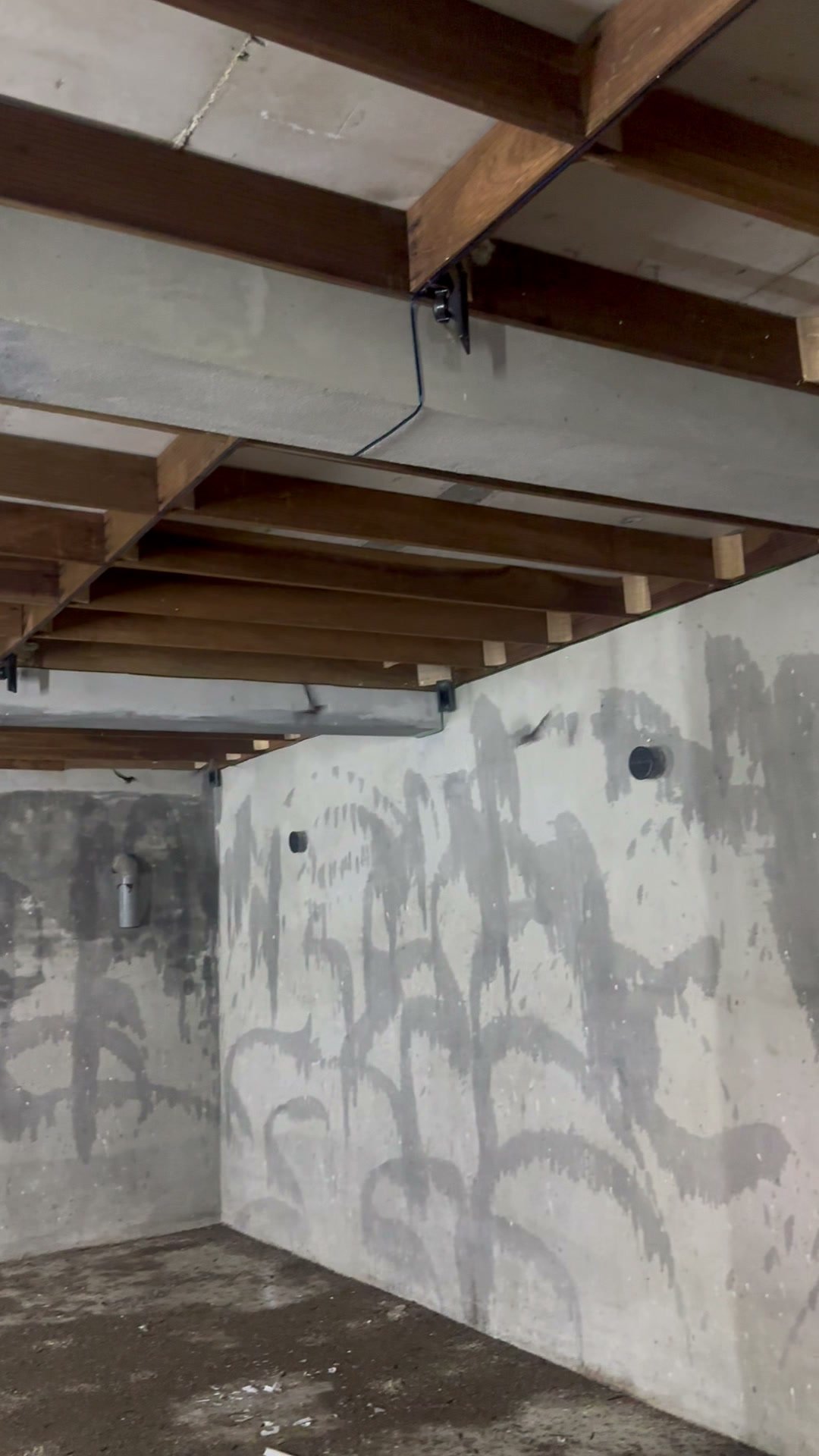
Common misreading two: the birds stay upstairs, so downstairs must be no good
A lot of houses run into this. The birds fly in and will play upstairs, but they will not fly down to the lower floor.
There are three main problems that cause it.
First, the entrance is in the wrong place. The bird has nowhere to fly down, or the way down is very awkward to fly.
Second, not enough light. Downstairs is usually darker. When the light is not enough, the bird has to spend more time exploring that space, and it does not want to fly in.
Third, and a mistake a lot of people make: the tweeters are in the wrong place. When the sound is only upstairs, the bird flies over, and the moment it goes down, there is no sound below. So it does not want to go down. That is why there are no birds downstairs.
Before you change the layout, keep to this order
By now you may already be reaching for a hammer. Wait a moment.
If the layout is going to change, rule one: where birds are living, do not touch it. Change only the spots where no birds live. Rule two: do it in batches. Do one section first, let the birds slowly get used to it, then do the next. Other things you should never touch inside the house are in What should you never do inside your swiftlet house?
One more rule: around the entrance, do not put in a hanging ceiling board.
And one more: when someone else’s house is doing well, do not copy their layout into yours. Not even your own other house that took off can be copied over as it is. Every house has a different layout, a different number of birds, a different situation. Copying without understanding why it was built that way is dangerous.
Layout problems often start at the entrance. For how big the entrance should be and which way it should face, see How big should a swiftlet house entrance hole be? If the birds circle outside the entrance and will not go in, see Swiftlets circling the entrance hole but not going in.
Only after a look do you know whether to change anything
We will not tell you to knock a wall, or push a product at you, before we have seen your house. Once we have seen it and know which stretch the birds cannot get through, then we know whether to change anything and where. That is what the MDK Swiftlet House Diagnosis Method does. Diagnosis first, prescription second.
Your next step
Do not start knocking yet.
Film your way in from the entrance hole on your phone, talking as you go. Stop at every corner and every room doorway, and cover both upstairs and downstairs. Then record the internal sound and then the external sound. A phone is enough. If someone has to go inside to film, do it in the daytime after the swiftlets have flown out.
Send it to us on WhatsApp. It is free. If we need more after we look, we will ask you then. You do not have to prepare everything at once.