

Your birds are getting fewer. You went in and checked. No sign of predators, no break-in.
So here is a question worth asking: could it be the way your nests are being harvested?
Birds do not only leave because something ate them or because they got old. When the harvesting is done wrong, they can leave on their own. This article is about harvesting in a way that does not take away next year’s nests.
What you are seeing
Check how many of these match your house:
- Fewer birds, but no sign of predators
- Nests getting thinner and smaller
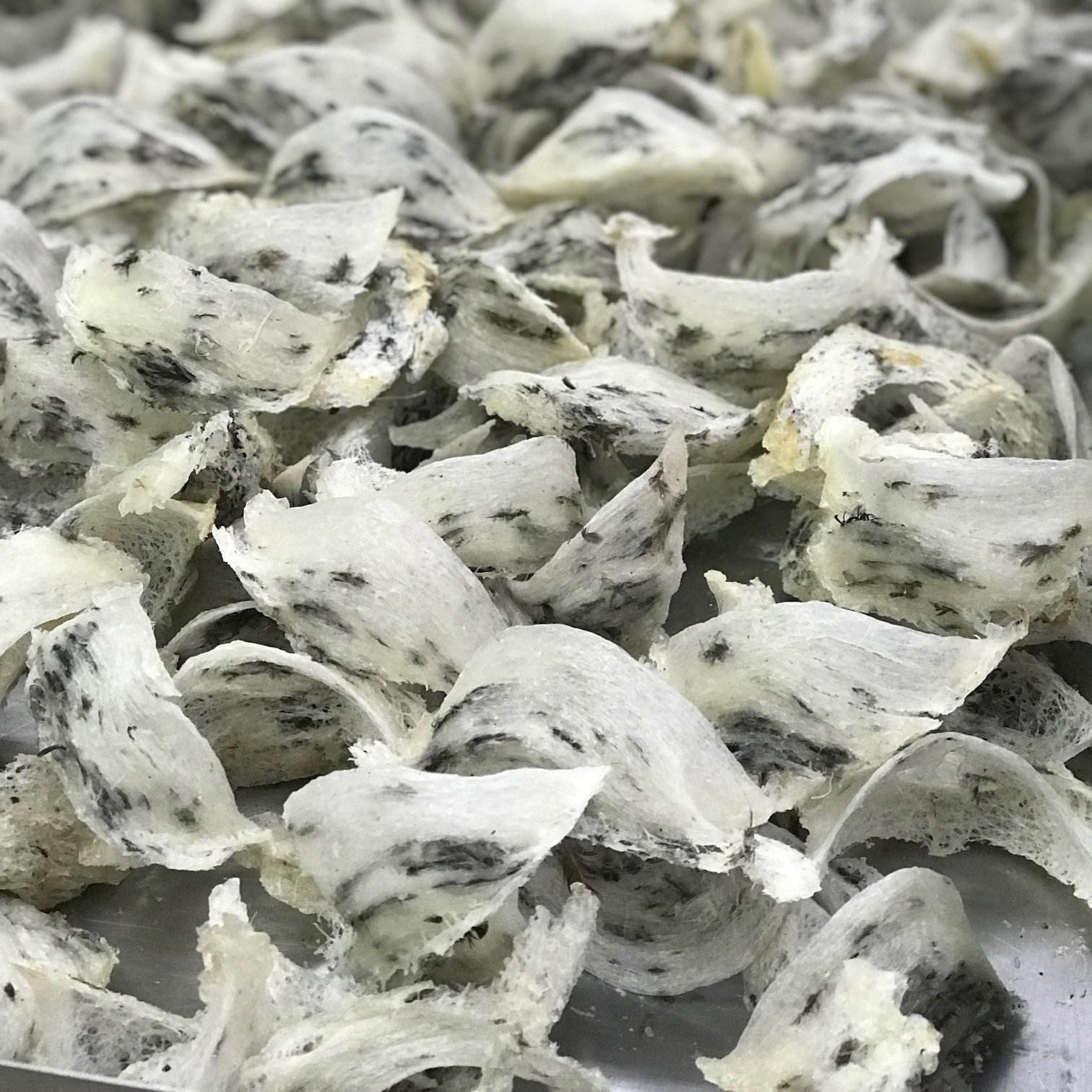
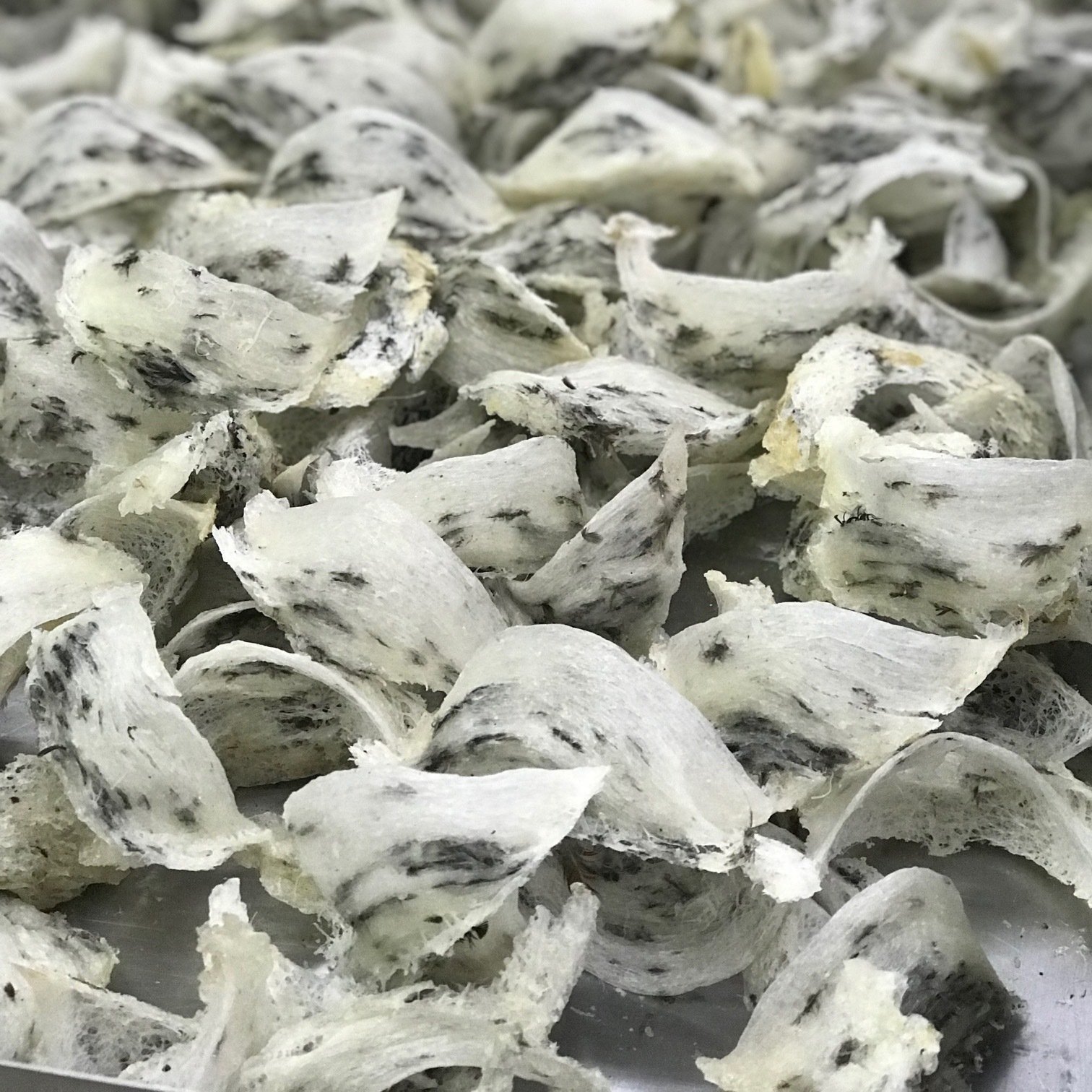
- Nest bases left on the nesting planks, layer on layer, turning more and more yellow
The usual wrong guesses
One: fewer birds, so it must be predators, or the birds got old.
Check for predators, yes. But if you find nothing, look at your own routine. You harvest every season, and that routine affects the birds more than most farmers expect.
Two: too tired to climb, so harvest from the floor with a long pole.
A lot of farmers, especially the older ones, do not want to climb ladders anymore. So they fix a harvesting blade on an extended pole and cut the nests down from below. Less effort, but the problems follow.
From the floor you cannot really control where the blade cuts or how hard. Most of the time the nest base stays on the plank. Season after season the bases pile up, they turn yellow, and the planks start having problems. Yellow nest bases have a few causes. Bases that were never cleaned off are one of them.
And from down there you cannot see well. There is a good chance you also cut down nests with eggs, nests with chicks, and nests that have not been laid in yet. Then the birds born in your own house do not stay, and the house cannot replace the birds it loses.
Three: the nests got thinner, so it must be dry weather, and you spray more water.
Weather is possible. But check two things first. When you harvest, do you take every nest you see, laid in or not? And besides getting thinner, have the fine feathers on the nests increased?
How to harvest
1. Climb up, and take the nest base off cleanly too.
Only up there can you see which nest can be taken and which one must stay, and get the base off properly.
If climbing up and down all day is too much, build a tall rolling cart you can push around. It still lets you harvest cleanly.
For spots that are really too high to reach, a long pole is the only option. Which means the opposite is also true: do not put tweeters in places you yourself cannot reach. The nests in that area will end up being cut from the floor.
2. Check whether eggs were laid before you decide.
Nests not yet laid in, and nests with eggs or chicks inside, stay.
If you have always taken every nest you see, and the nests are getting thinner while the fine feathers increase, this is usually why. The bird builds a nest, it gets taken before laying, and it has to rush another one in the same spot. Saliva does not come all at once, so the rushed nest is thin. Keep pushing the bird like that, season after season, and every nest comes out thinner and smaller than the last. The same kilo then takes more pieces to make up.
If those two things do not match your house, look at weather and airflow instead. Then it is not about your harvesting habit.
3. Do not harvest a first time nest.
The first few nests are built while the bird is still deciding whether this spot is liveable. Take the nest away and its confidence in that spot is gone. Let it build two to three times in the same spot before you start harvesting. Rush the first batch and you are harvesting your own birds for the years ahead.
The same goes for a new house. While there are not many nests yet and the number is still slowly going up, some farmers wait for more nests before they start harvesting, so the birds feel safe first. If your house has had the same few nests for two years, then you can harvest.
4. Mark nests with coloured stickers.
Put a small coloured sticker beside the nest. Different colours mean different things, for example which nests are first time nests.
Many owners have workers or someone else harvest for them. With the marks, the worker knows which nests not to touch, and you can count your nests more easily and estimate how many you can take this season.
Next to the nests we left unharvested, we have sometimes seen new nests start appearing one by one. I cannot say for sure it is because we left them. But we have seen it happen.
5. During the moulting season, our advice is do not harvest.
That batch is built while the birds are moulting, exactly when they most need to recover. Keep harvesting it year after year and the house gets smaller and smaller. Leaving them that one season is leaving your own yield for the years ahead.
6. On harvest day, go in at the right time.
Go in during the day, after most of the birds have flown out. Leave washing planks or spraying anything until after the harvest is done. The other rules for going inside are in things never to do in a swiftlet house. If chicks turn up on the floor not long after a harvest, go through swiftlet chicks falling and dying on the floor one cause at a time.
The planks already have years of nest bases on them
If you have been harvesting with a long pole for years and the bases are stacked up on the planks, spend some time clearing those old bases off first.
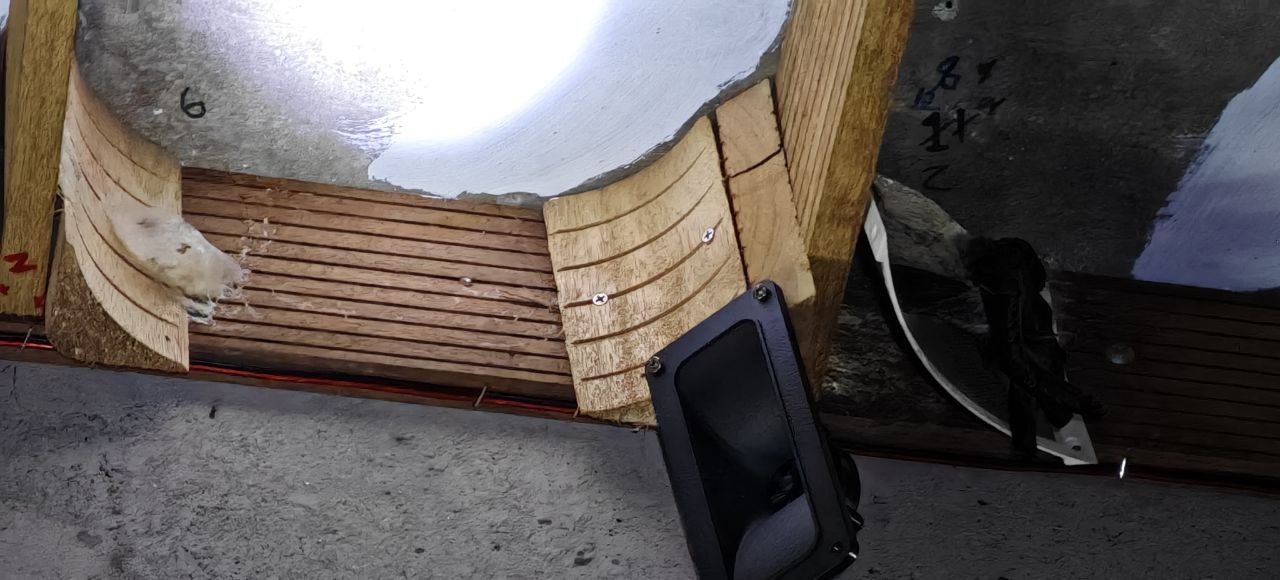
Once the bases are off, then you look at the plank itself. With our Meranti+ Nesting Plank Enhancer, a mouldy plank only needs spraying, no wiping. We also suggest spraying once more after every harvest: people climb all over the planks while harvesting, and some spots always get missed or covered. And even if you do not harvest at all, the planks still need looking after. Harvesting and plank maintenance are two separate things. If a plank is rotten and has to go, read should I replace damaged nesting planks first.
That is the MDK Swiftlet House Diagnosis Method in practice. Diagnosis first, prescription second: find out how the nests are being lost before you change anything.
Next step
Before the next harvest, hold off on calling the workers.
Pick a day, wait until the birds are out, and go in to take three photos: a close up of the nest bases on the plank, a wider shot of that whole area of planks, and a few of the nests you harvested recently (so we can see thickness and fine feathers).
Send all three to us on WhatsApp, and tell us one thing: do you climb up or use a long pole, and do you harvest yourself or have someone do it for you. We will help you see whether the problem is the harvesting or something else. If we need more, we will ask.