

In the late afternoon there is a crowd of birds circling in the sky, and a row of them sitting on the power line by the road. Then comes the question: are those swiftlets? Can I build a swiftlet house here?
Short answer first. The bird that lives in a swiftlet house and makes the edible birds nest is the swiftlet. Birds sitting on a wire or circling overhead are not, by that alone, swiftlets.
It sounds like common sense. But people have mixed up the birds and spent the money before they found out.
First, look at where it rests
Years ago I wrote about a reader whose father saw a lot of birds standing on the power lines near his land. He took it as a sign of plenty of swiftlets and built a house. A year later there were still no birds inside. Only then did they find out the birds on the wire were not swiftlets at all, and could not make the nest the market buys. To be fair, an empty house can also come down to how it was designed or how the equipment was installed, so not all of it was the wrong bird. But getting the bird right is the first step.
So the first thing to look at is where it rests: a swiftlet usually rests hooked onto the wall or the nesting plank.
If you have been inside a swiftlet house you have seen it. The bird hooks its feet onto the wall or the plank and rests pressed flat against it. Most of the time it does not need a nest to rest in.
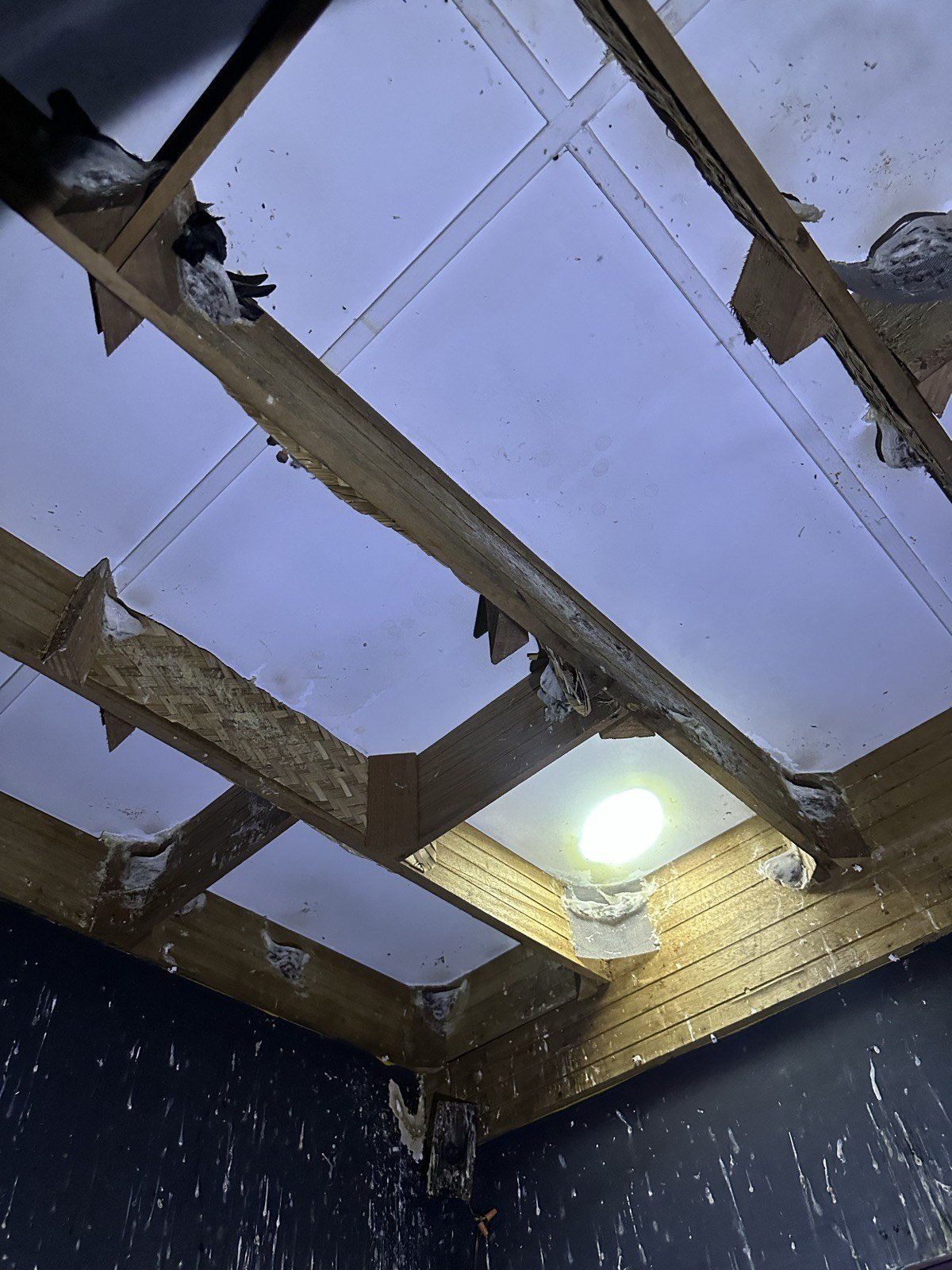
So when you see a neat row of birds standing on a wire, do not conclude the area is full of swiftlets. What you need to watch is whether birds are coming home to the swiftlet houses nearby in the evening, going in and out through their entrance holes.
What the nest is made of
The edible birds nest is made from the swiftlet’s own saliva. The bird lays it down a little at a time on the wall or the plank, and once the saliva sets, that is the nest. That set saliva is the product. That is why the only nest a swiftlet house owner harvests is the swiftlet’s.
The swiftlet builds a nest to lay eggs and bring up its chicks. The nests that get harvested are the ones the young have already flown from.
Knowing this keeps you away from two mistakes:
- Saliva already carries its own water. A lot of owners think the house has to be dripping wet before nests appear. They add too much water, the saliva cannot set, it will not stick to the plank, the nest fails, and the plank goes mouldy on top of it. The birds want clean planks with no mould, not mist all day.
- On a plank with mould or a strange smell, the saliva does not hold well. The bird would rather not build there.
Where swiftlets live, and where the nest comes from
In the wild, swiftlets live in caves. Nests taken from caves are cave nests, and collecting them used to mean climbing very high cave walls. It was dangerous work.
Then people started building swiftlet houses and attracting the birds to live inside. Nests harvested there are house nests. That is the whole job of a swiftlet house today: we do not keep the birds, we attract them, by giving them a place they choose to move into.
We have walked into a cave where swiftlets really live. One step inside and there was the smell every swiftlet house owner knows, the droppings.
When it feeds, and what it eats
In Malaysia many people call swiftlets “burung layang-layang” as well, so the two names get mixed up. A swiftlet feeds on insects flying in the air, mostly the ones flying fairly high. It hunts entirely by sight, so it feeds only in daylight. It is home before the sky goes fully dark and does not go out for insects at night.
On a hot, dry day with few insects about, the birds have to fly further, out to forest or hills, to find food. That evening fewer birds come home. It does not always mean something is wrong with your house.
Someone always asks: don’t swiftlets use echolocation? They do. A swiftlet makes a dek dek dek sound as it flies. But a swiftlet’s echolocation is weak. It is not a bat. Echolocation is enough to keep it from flying into a wall in the dark. Finding its way and finding home, it does with its eyes and the light.
Because it feeds by sight, some owners try farming insects near the house to keep the birds around. We tested that ourselves with black soldier fly. Within the first week of the insects being up, the birds came, ate, and left without going into the house. The full story is in are there fewer swiftlets now.
Once you know they are swiftlets, the real problem starts
If you are sure the birds circling above are swiftlets, there are other swiftlet houses in the area, and they still will not go into yours, the problem is not the species. It is the house.
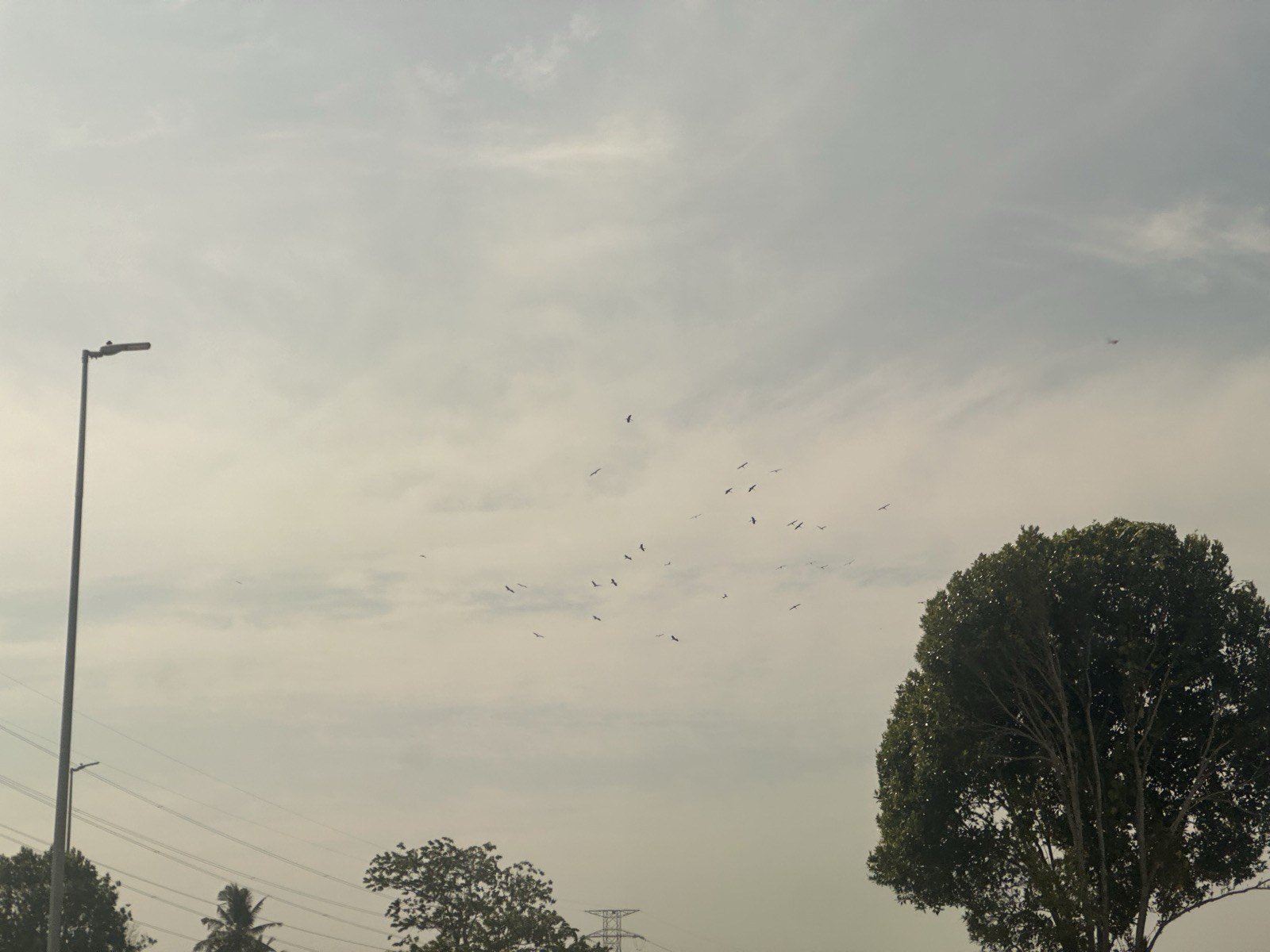
Swiftlets are wary of a house they do not know yet. They circle over it to make sure it is a safe place to settle. So birds circling your roof does not mean they have rejected it. They are still looking. Circling for a long time and never going in is when you start looking for the cause.
The common mistake at this point is to change the sound, add tweeters or buy aroma straight away. The MDK Swiftlet House Diagnosis Method runs the other way: check the flight path and the entrance hole first, then the spots inside where the birds would live, and the sound last. Diagnosis first, prescription second.
Good sound in a house with the wrong layout brings the birds in close, and then they cannot get in. They feel cheated once, and they do not come back a second time.
If the birds keep circling the entrance hole without going in, read swiftlets circling the entrance hole but not going in first.
Next step
In the evening when the birds come home, stand outside your swiftlet house and shoot a short video on your phone. Try to get the birds in the sky, your entrance hole, and the entrance holes of other swiftlet houses nearby. Then take one photo of your entrance hole from the front.
Send the video and photo to us on WhatsApp. We will look at which way the birds are heading, how your entrance hole looks, and where your house is getting stuck. It is free, and you do not need to buy anything first.