

The birds are not coming, or they come and do not stay. Most people do the same thing first. They turn the volume up a little. A few days later, again. In the end the knob is all the way round.
I get it. Sound is the first thing a swiftlet meets from your house. Louder feels like it reaches further.
That is not how sound works in a swiftlet house. Turn it all the way up and what you usually get back is distortion and sound bouncing off the walls.
What you are seeing
You walk in and the sound is a mess. The walls reflect it so much you notice. It sounds harsh and smeared, and you cannot tell which tweeter it is coming from.
The bird count is not going up and the nests are not keeping up. The birds do not build nests, and they do not stay.
At that point you are paying the electricity bill to push birds out.
Three common mistakes
Mistake one: louder means more attraction.
Every type of tweeter has its own ceiling. Past that point, turning it up gives you nothing, because the machine has nothing left to give. What comes out is distortion. The noise goes up. The attraction does not.
I often say a sound is “10 out of 10”, and a lot of people think I am talking about volume. I am talking about how attractive the sound is. Do not spend all 10 points at the start. 7 or 8 is already very good. Keep 9 and 10 for when you need saving. Go all out from day one and you have no cards left to play later.
Mistake two: the sound got quieter, so turn it up.
This is the most common one, and the most expensive.
A lot of the time you want more volume because the tweeter is ageing. The same sound, six to eight months after it went in, and you can hear it has gone quieter. Turning the volume up then is using volume to cover for something that is already fading. It ends with the dial maxed, the sound breaking up, and the birds pushed out.
So when the sound goes quiet, stop for a second. It could be one of three things:
- The tweeter is ageing.
- The tuning is wrong.
- A short circuit.
The first two are handled differently, but each is a one-off job. The third is not. If the amplifier is already turned up loud and the sound is still weak, it has most likely shorted. A short circuit will keep burning your machine. You think the tweeter is old, you keep turning the volume up, and the more you turn it the faster it burns.
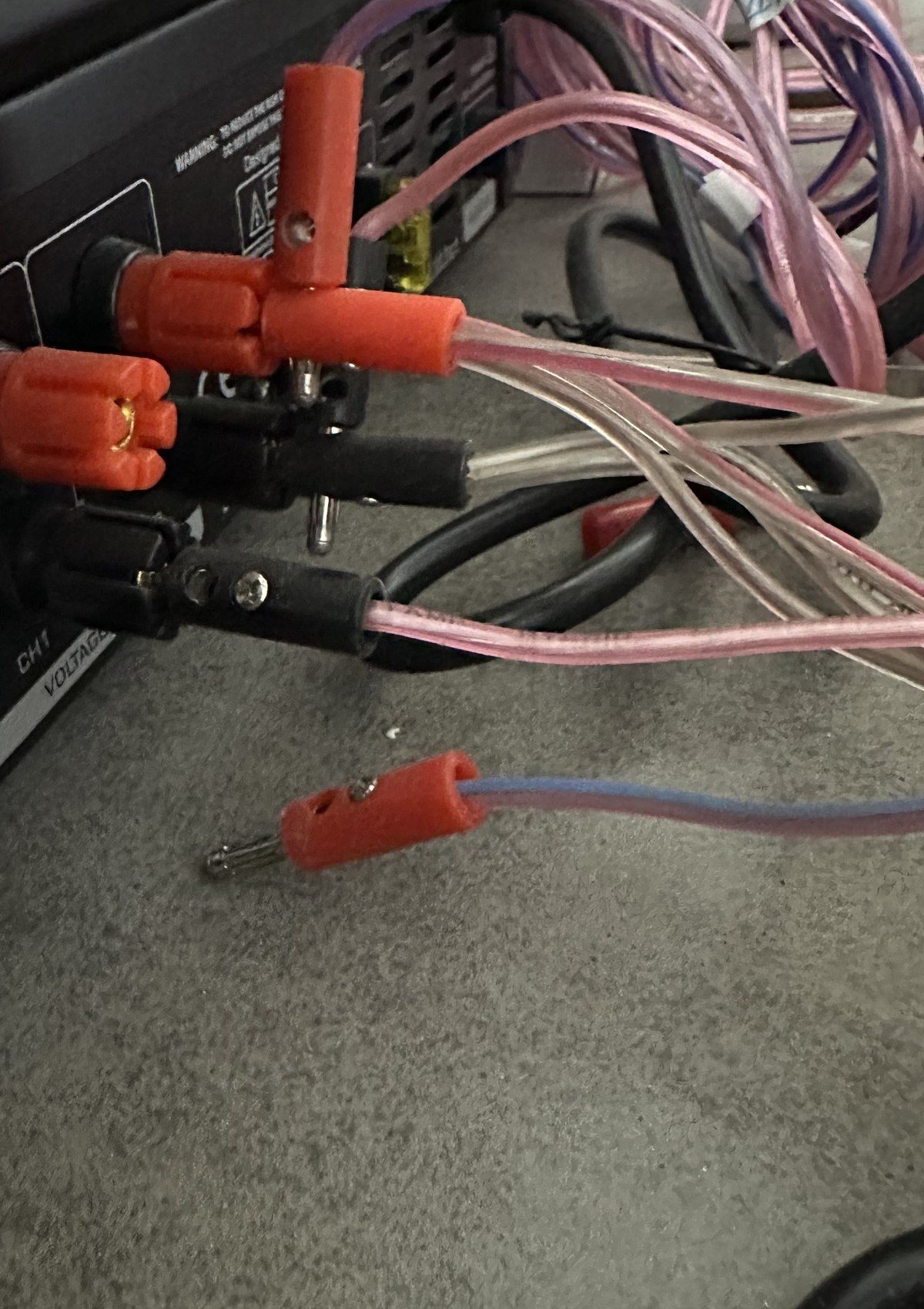
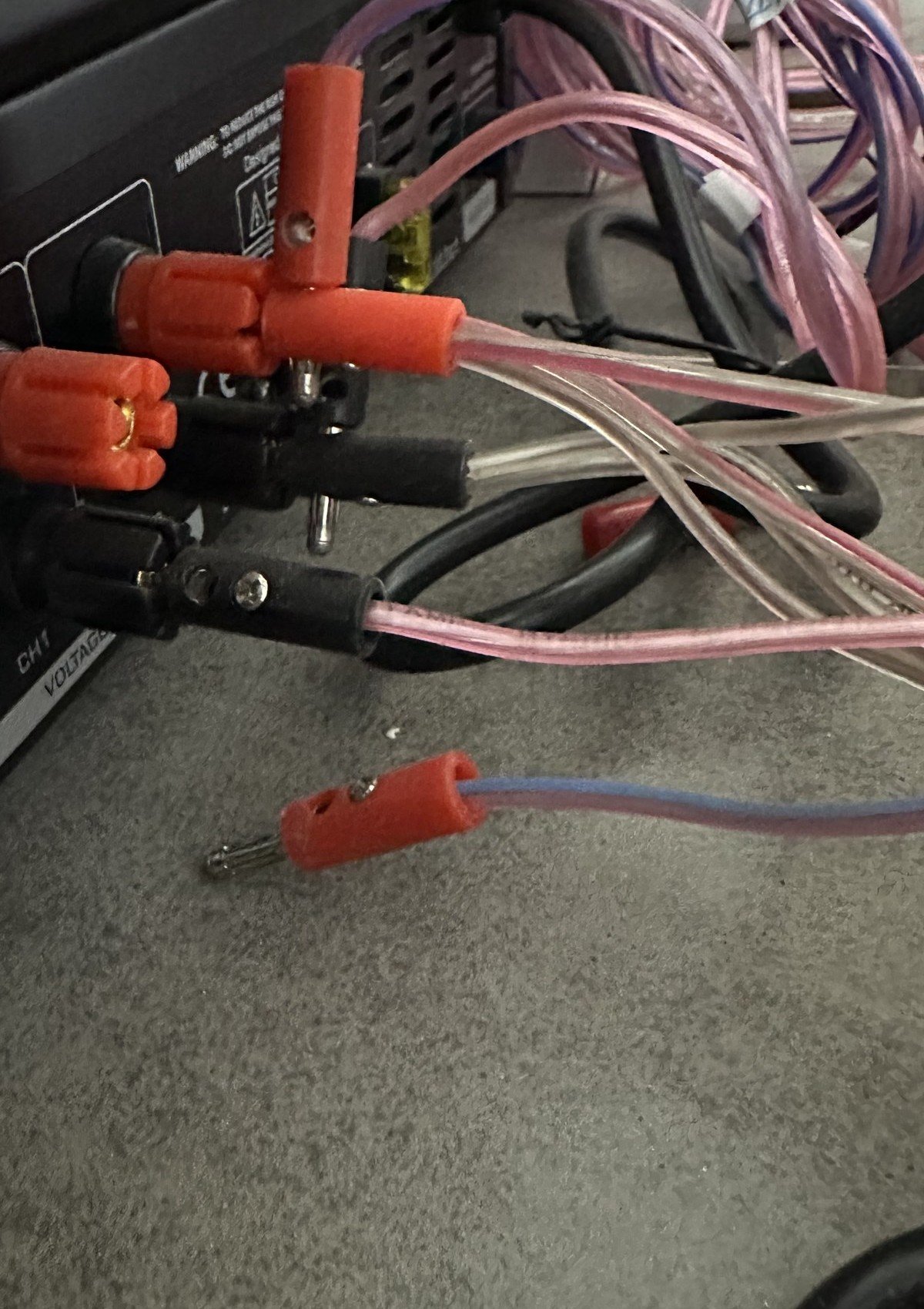
One more thing can make the sound very weak: coil tweeters and ordinary piezo tweeters wired up together. Their impedance is different, and current always takes the easiest path. The result is very low sound and volume that is very hard to adjust. Turning it up does not fix that either.
Mistake three: the house next door plays its external sound very loud, so I should go louder too.
Let me be straight with you. If the houses next door and across the road play their external sound very loud, does it affect you? Yes, it does. We will not lie to you about that.
Still, do not follow them up. Because sound that loud from other houses will definitely bounce.
We go the other way. Do not try to out-shout anyone. Get your own house right and tune the volume correctly. When the swiftlets born in your house fly out, let them bring other birds back with them. We have tested this in a lot of competitive areas and it works well.
Be ready for one thing. It can be slow at the start, and there may be no birds at first. That is normal. You are taking a different road, and you will see results soon.
And one heavier point. If the inside of the house is not ready, the louder you call outside, the more birds come, get a bad deal, and learn your house is no good. Once the whole group remembers your house like that, it is a blacklist house. Even the swiftlets born there stop coming back.
How to check it
First, something that saves you money. You do not need to buy an instrument.
What you judge is whether the sound at that position sounds good, whether it is breaking up, and whether it is bouncing back and turning into mush. None of that can be measured. You can only hear it.
If you go in, do it during the day, after the birds have flown out. Listen for two things:
- Is the sound clean, or is it breaking up or bouncing back into mush?
- Is it quieter than it used to be? If it is, do not turn it up yet. Go back to the three causes above: ageing, tuning or a short circuit.
One more thing you check with your eyes, not your ears: is any tweeter aimed at a wall? Tweeter sound must not hit a wall and bounce. A photo shows you that.
Which knob to turn, and which knob to go back to when you hear a particular problem, is a skill that lives in the ears. A couple of sentences will not teach it. We spend a long time on it in the Swiftlet Signature Masterclass (SSM).
When it is time to change equipment
Weak or broken sound does not automatically mean new tweeters or a new track. Listen first, then decide.
If something does need changing, the fault may be the machine playing the song. The same sound played through a poor amplifier and a good one are two different things. Swiftlets hear far better than we do. Distortion and muffled sound we cannot pick up, they can.
Tweeters work the same way. When we built the AU8 25P, what we wanted was a tweeter that delivers the sound the birds want, with enough punch, not too sharp and not too heavy, so the sound does not bounce around the house. How loud it can go was never the point.
If your tuning is right and the nest count is still stuck in the same place, the problem is usually not the sound. Start with these four directions. For where the tweeters should go, read Where should tweeters go in a swiftlet house?
Your next step
When the sound seems wrong, stop for a moment. Do not turn it up any further.
Take one clear photo of the front panel of your amplifier so we can see your current settings. Add a few photos of where your tweeters are, so we can see what they are aimed at. Tell us how many floors the house has, roughly how many birds, and when the sound started to feel quieter or messy.
Send the photo and those details to us on WhatsApp and we will check your tuning for free. If the answer is “fix the tuning, you do not need a new machine”, that is what we will tell you.