

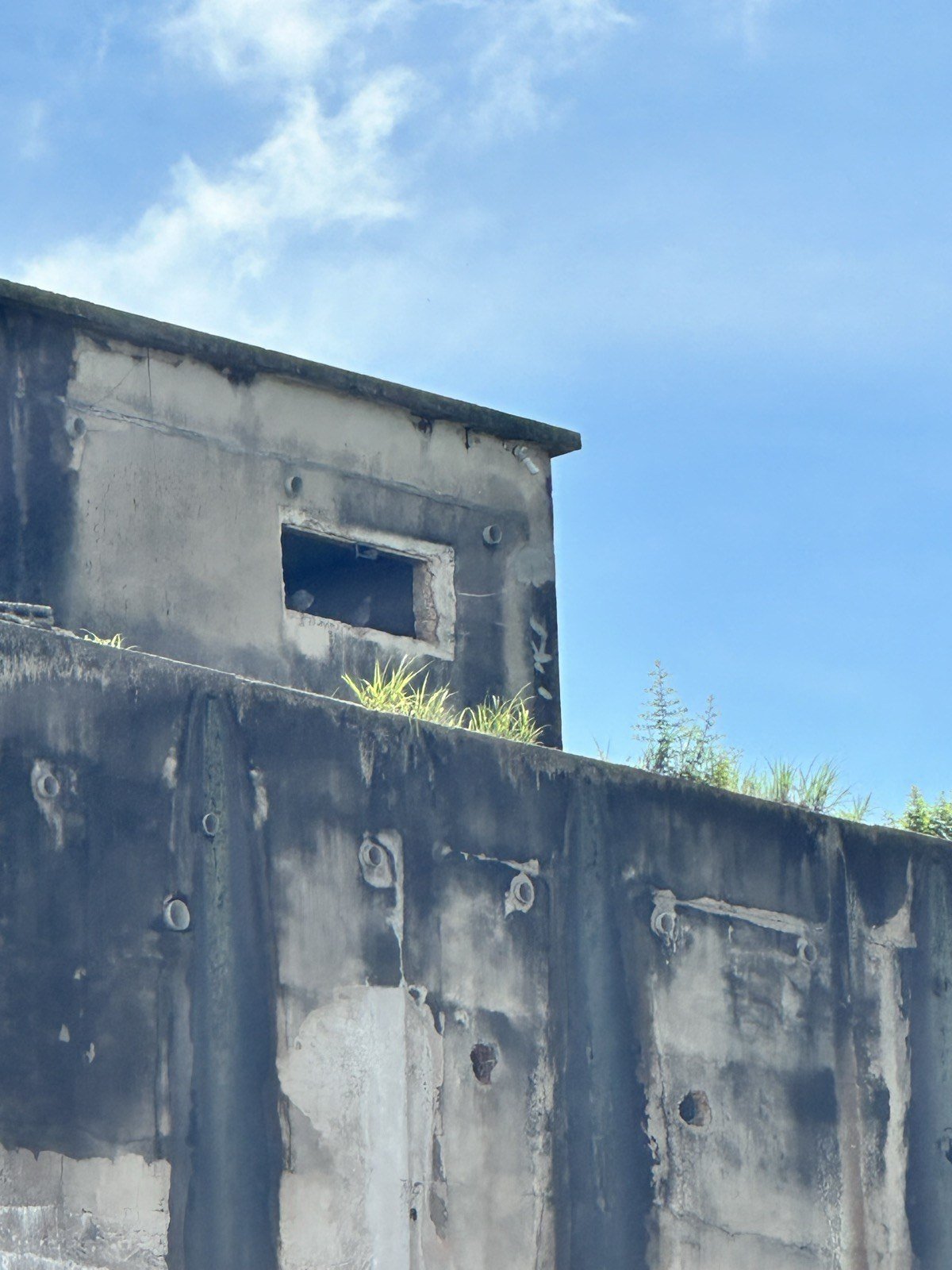
External sound and internal sound sometimes get treated as the same thing. One track plays outside, the same track plays inside, and nobody stops to think how long each side should run.
If that is your house, this is worth a few minutes. The two sounds do different jobs, and the answer to how long you should run them is different too.
The job split, in one line
Short version: one is for the door, one is for the room. The external one brings passing swiftlets down to your house. The internal one is what a bird hears after it has come in, and it decides whether that bird settles.
I covered that split in How to tell if your swiftlet sound is good, so I will not repeat it. This post is about two other things: why the two cannot share one track, and how you run each of them.
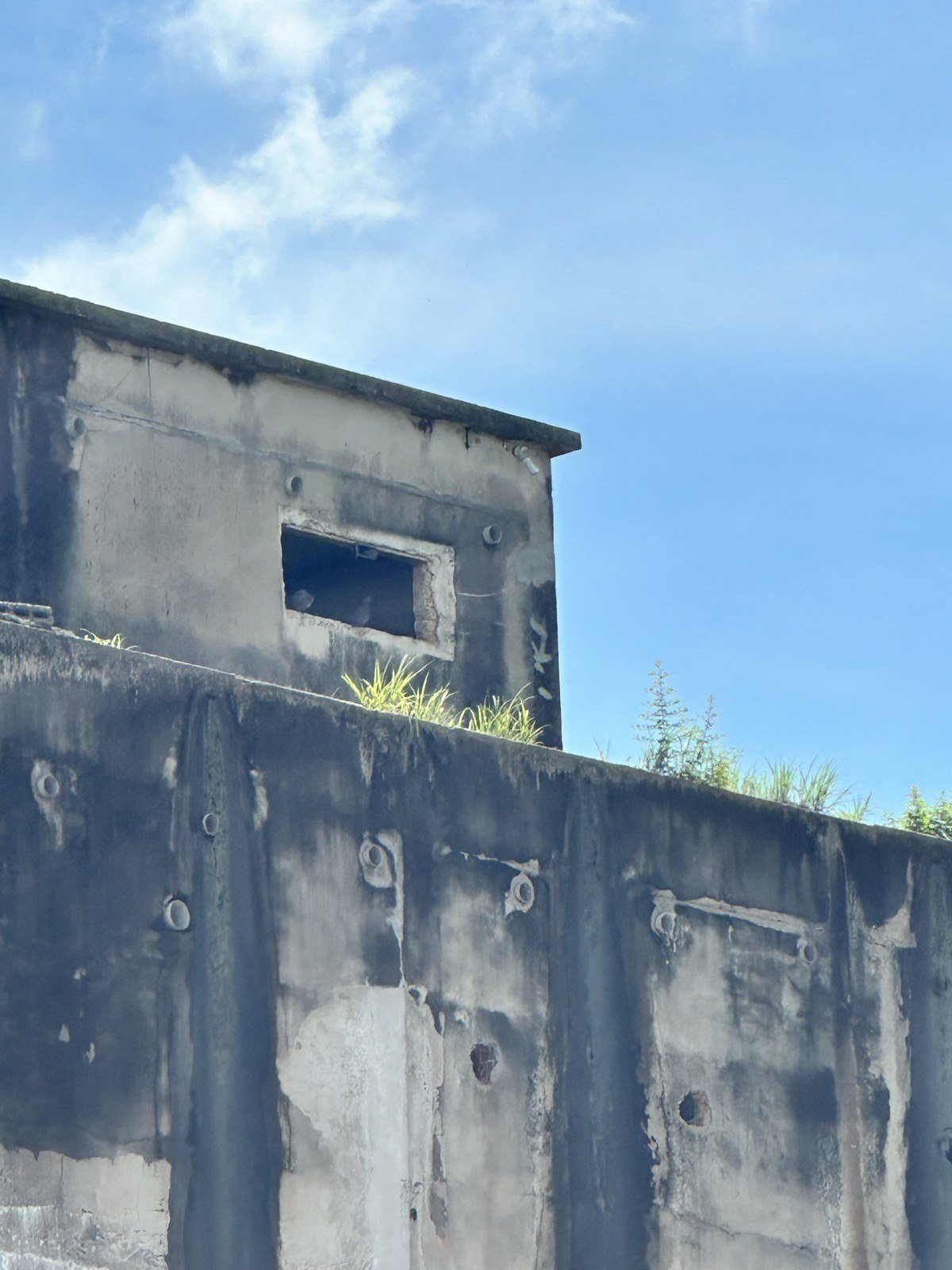
Why one track cannot do both
Calling birds and keeping birds are two different jobs, and you cannot cover one with the same sound you use for the other. Use the calling track to do the keeping, or the other way round, and it does neither well.
Internal sound needs one thing in particular: a mix. Chicks, young birds that are nearly ready to fly, and adult birds, all of them in there.
Why? For a swiftlet to settle, it first has to get the urge to pair. Birds of different ages calling together is what sets that off. With only one kind of call, that layer is missing.
External sound: do not run it 24 hours
We strongly advise against leaving external sound on all day. Two practical reasons.
First, it pulls in predators too.
Second, a swiftlet will sometimes settle beside the external tweeter, stay put there, and never head inside to find the internal sound. You paid the power bill to call the bird down, and now it is stuck outside. You blocked it yourself.
To be fair, this is not an absolute rule. We just would not recommend it.
Internal sound: on all the time in a new house, switch off for a stretch once it is full
For internal sound, the answer is different.
While the house is new and no birds live inside yet, keep the internal sound on all the time. Do not let it drop.
Once the house has plenty of birds, it changes. You can pick a stretch of time and switch the internal sound off, and let the birds do their own calling and chatting. Singing love songs at them from morning to night is not what makes them stay.
Whether to switch off, and which stretch, has no answer that fits every house. Same internal sound, but a new house and an old house full of birds are handled differently. It depends on the stage your house is at.
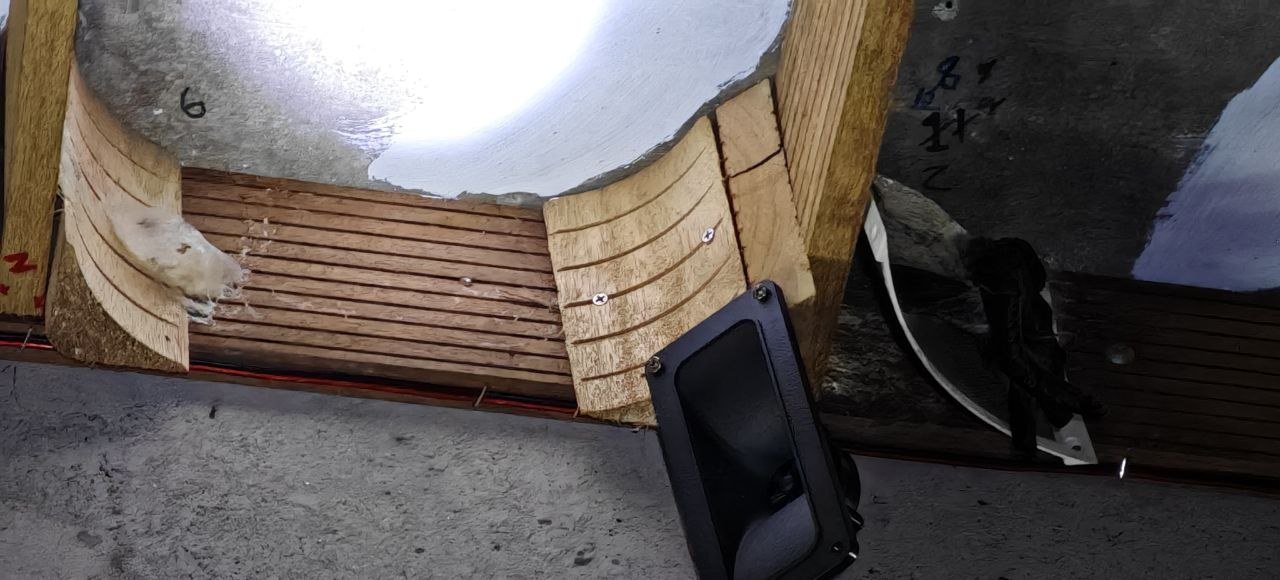
Outside and inside tweeters are not handled the same way either
The sound splits into two sides, and the tweeters differ in a few places too.
Plastic diaphragm (waterproof) tweeters are not advised at the outer entrance. We do carry them. The catch: play certain high notes at certain volumes through them and the sound bounces back, and a bouncing sound pulls birds in a lot less. Keeping water off the outer entrance does not have to mean buying a waterproof tweeter. Shift the tweeter back a little so the rain cannot reach it straight on. Or drill a small hole underneath it, so any water that gets in has a way out and does not sit in there. Which one fits depends on your entrance hole.
An antenna tweeter is there to call birds down, so the first thing to check is your neighbours. If the houses around you are not swiftlet houses, it can help. Is the row beside you all swiftlet houses? Then leave it out. The birds you call down may well end up at your neighbour’s house. And if you do install one, the position has to be right. Put it in the wrong spot and the birds may hang around enjoying themselves outside and never come in. And do not install one just because the house next door has one. Their house and yours may be in opposite situations.
A capacitor is not needed on every tweeter. This one is about the type of tweeter, not inside or outside. It is only useful on coil (magnet) tweeters. If your internal tweeters are the cheap kind, skip it. Same for an external tweeter that is not a coil type.
Before you touch the on and off switch
By now you might want a timetable: what time on, what time off. We will not hand you one, because the answer moves with the stage your house is at. One timetable cannot fit every house.
Check three things yourself first:
One, are your external and internal sounds two separate tracks right now?
Two, is the external sound on all day?
Three, does the house still have no birds living in it, or have birds already settled?
Those three answers are where we start when we decide whether your sound should change, and which side. How loud to run it is a separate question, covered in Is louder swiftlet sound better?
Next step
Write those three answers down, add what time each sound goes on and off, and send it to us.
Also film your way in from the entrance hole on your phone, talking as you go, and record the internal sound and then the external sound.
Send it all to our WhatsApp. We will go through it with the MDK Swiftlet House Diagnosis Method and tell you whether the sound needs to change, and which side. Diagnosis first, prescription second.