

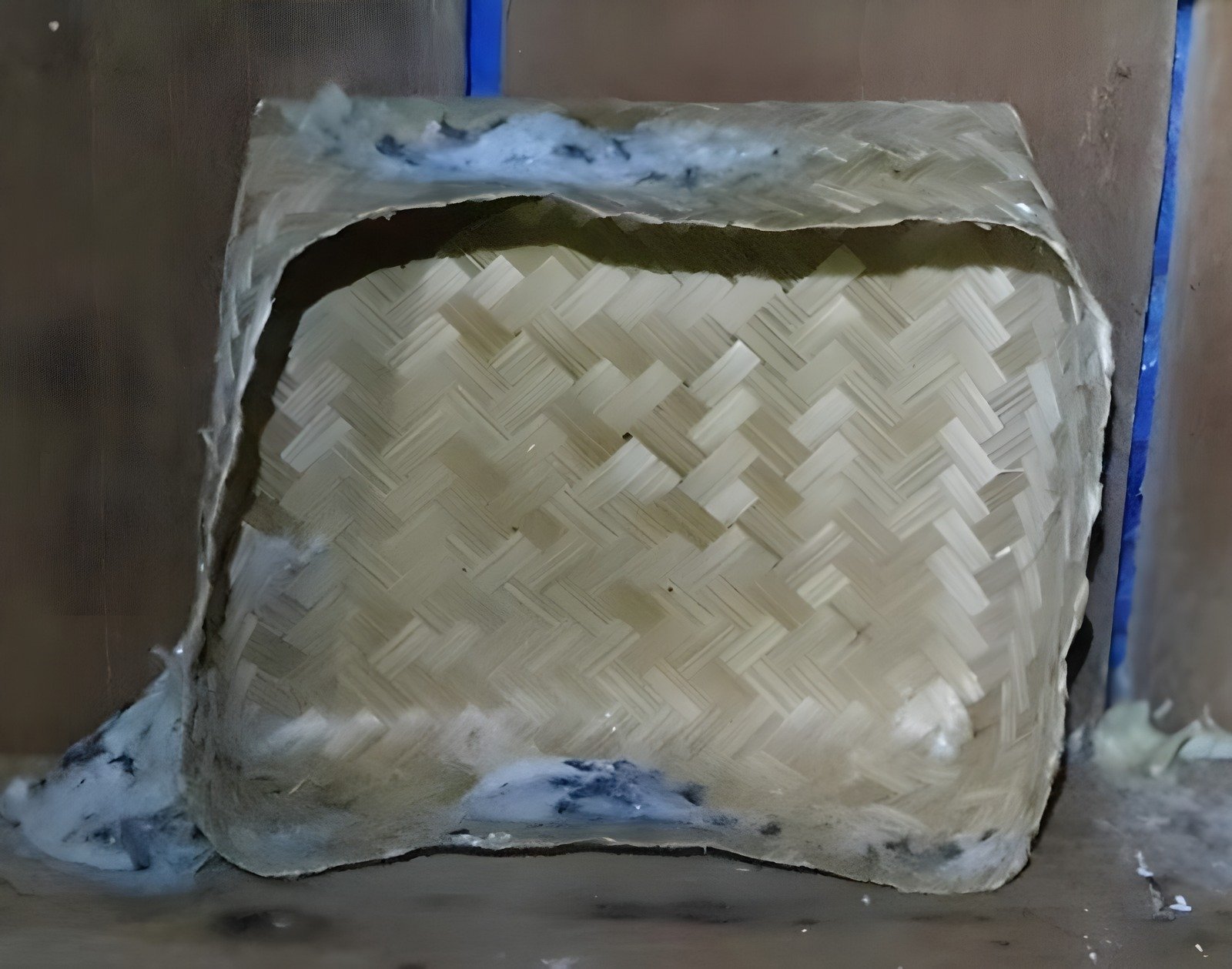
You put a bamboo basket between the planks. Or you laid an Indonesian straw mat. Some owners put up stainless steel mesh.
Not long after, the swiftlets are nesting on it.
So the thought comes naturally. The birds like this texture. Let’s add it to the other planks too.
Hold on a moment. What your eyes see is not always the answer.
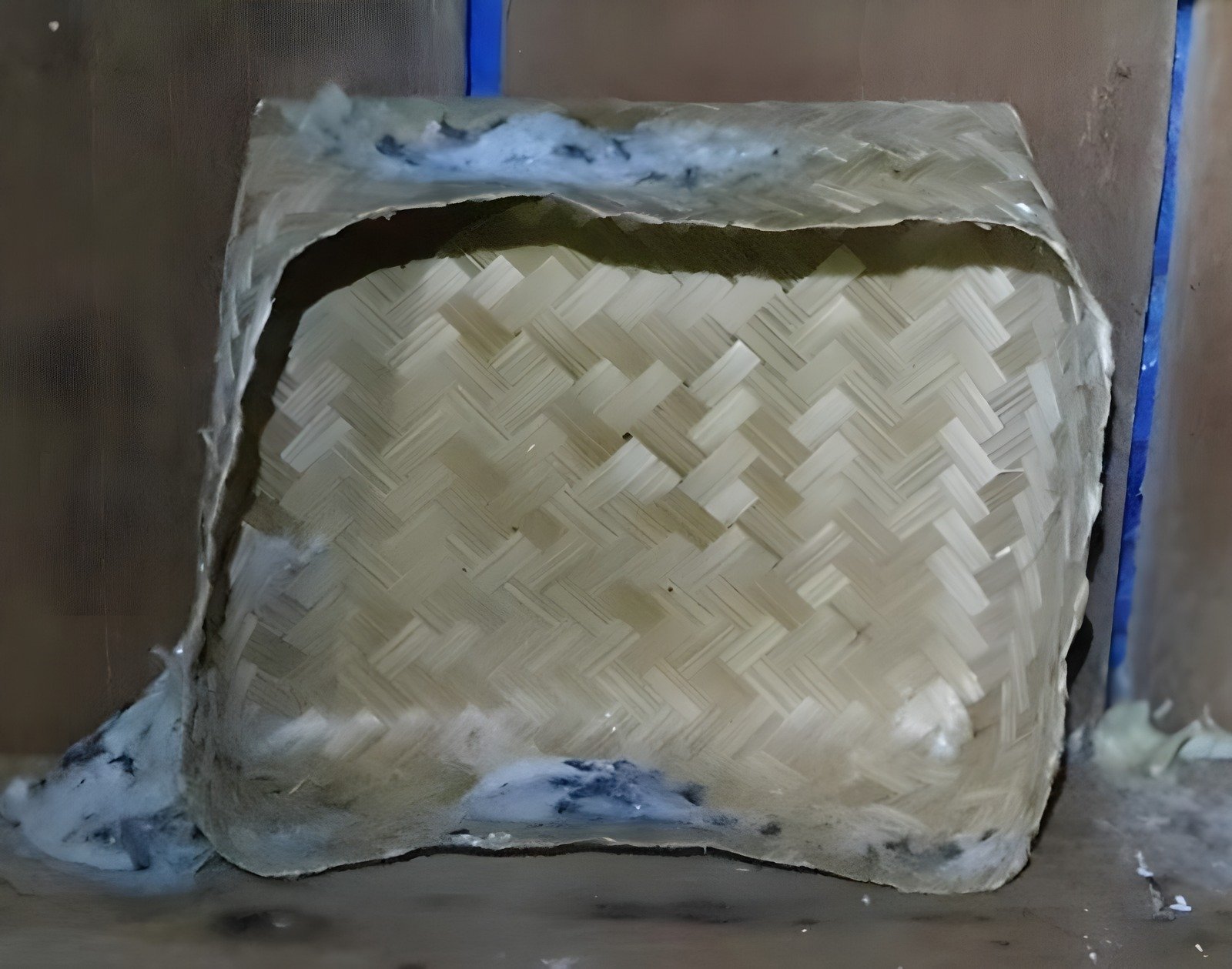
You may be seeing these too
Check whether your house also has these:
One, the nests are getting dirtier.
Two, there are more and more black spots on the nests.
Three, the number of birds has not gone up for years. In some houses it is even going down.
If that sounds like your house, read the next part carefully.
Wrong call number one: the birds fell in love with the new material
New things do help the birds a little. Fresh mesh gives their feet an easier grip on the plank. A straw mat is soft, their feet hook onto it easily, and the nest sticks to it well. I have said all of this before.
But when the birds start nesting on it that quickly, my view is that most of the time the reason is the old setting. Your planks may already be too dirty and too smelly. You just never noticed.
So do not rush to put the same thing on every other plank. Look back at the planks you already have.
Wrong call number two: no growth, so change the sound and the tweeters
Dirtier nests, more black spots, a bird count that will not move. A lot of owners decide the sound is not good enough and the tweeters need replacing.
The sound calls the birds over. Once they are inside, if the planks smell wrong, they leave anyway. If the plank smell stays, you can change the sound as many times as you like. Every bird that comes in meets the same planks.
I wrote about houses that stop growing for years in Swiftlet house stuck at the same number. Of the four directions there, most have nothing to do with the sound.
How to check: pick a day and climb up
First, go in the daytime, after the birds fly out
From the time the birds come home in the evening until they leave in the morning, they are inside. Do not go up during those hours.
Wait until the birds are out in the day, then climb up to the plank level.
Second, smell the planks, and treat it as a lead
Put your nose close to the wood. Start with the old planks next to where you added mesh or mats. Then smell the area the birds keep refusing to settle in, and compare it with other areas.
If you smell mould or a stale, rotten smell that the other areas do not have, write it down.
Third, your nose cannot be the judge on its own
Your nose is not a swiftlet’s nose. Everyone who opens a bottle of our NBH for the first time frowns, yet the birds like it. Swiftlet droppings smell bad to you, but to a swiftlet that is the smell of birds. And the other way round, some chemicals, once sprayed and dried, you cannot smell any more, yet they are still in the wood.
So a bad smell does not automatically mean the planks are the problem. And smelling nothing does not mean you can relax. Go through what you have put or sprayed in the house, one by one. I wrote that up in What smells do swiftlets hate.
Fourth, look at the nests, and at the plank grooves
After smelling, look up at a few nests. Are there more black spots than before? Are they dirtier than they used to be?
Then look at the plank itself. The dirt is not always on the surface. Kiew Meng Kui, the master I teach classes with, said it in class: the dirt on a nesting plank hides in its grooves, and the more grooves, the dirtier it gets.
If you have mesh up and one day you take a piece down, have a look at what is behind it. That is exactly what the master means: leave a mesh up for some years, take a piece down, and see what has been hiding behind it.
Mesh and mats come with their own cost
Stainless steel mesh, plastic mesh, aluminium sheet, straw mats. We do not recommend putting any of these on the planks. It looks like you are giving the birds one more surface to grip. What you get back is a long-term headache.
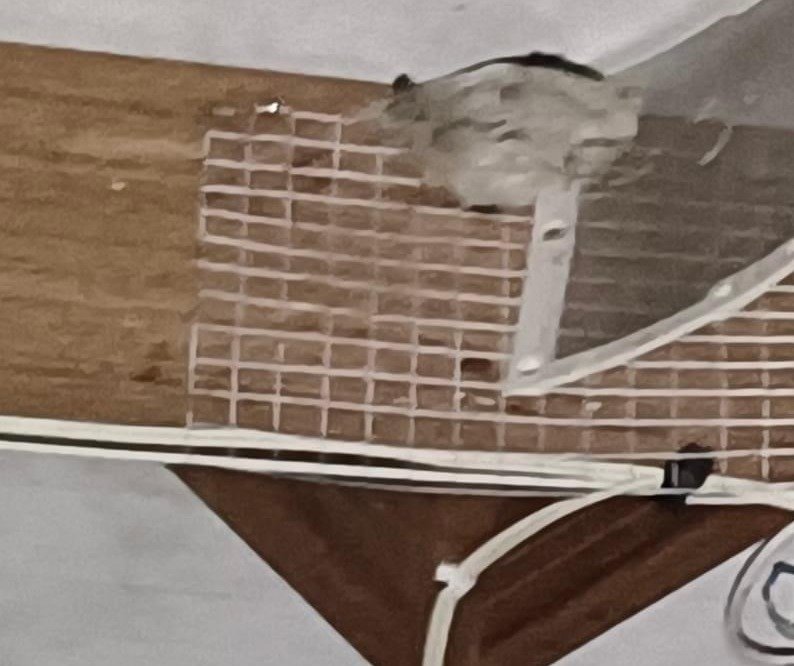
Plastic mesh holds a nest even worse than stainless steel mesh, so nests fall off more easily. Nobody can clean the holes behind a mesh. Dust and moisture keep collecting there, and over time it grows mould. Straw mats soak up moisture from the air, and a swiftlet house is already damp, so a mat can go mouldy fast. Swiftlets are very sensitive to mould. When it gets out of control, you may only see the birds drop off in big numbers a few years later. I went through the problems with plastic mesh and straw mats in more detail in Why do swiftlet nests keep falling off the planks.
And one general rule: before you add anything to a plank, think about how you will take it off one day. Putting things on a plank is easy. Taking them back is expensive.
When the equipment comes in
Once you have smelled and looked, if the problem is the planks, deal with the planks themselves first.
If the planks have mould, wash them. We use our own Meranti+ Nesting Plank Enhancer. How bad a plank has to be before you replace it, I covered in Should you replace damaged nesting planks.
Sound and tweeters come after the planks. Until the planks are sorted, leave them alone.
Your next step
This week, pick a day. In the daytime, after the birds have flown out, climb up to the plank level and do three things.
One, smell the old planks next to the mesh or mats, then the area the birds keep refusing to settle in.
Two, look at a few nests. Are there more black spots than before?
Three, note down what you have added to or sprayed on the planks over the past few years.
Write down what you smelled and what you saw. Then film your way in from the entrance hole on your phone, talking as you go, and record the internal sound and then the external sound.
Send it all to us on WhatsApp. We will look at it with the MDK Swiftlet House Diagnosis Method and tell you what to change first. Diagnosis first, prescription second.