

You bought the tweeters. Now the questions start. Where do they go? How many on each floor? Is there a drawing I can just follow?
My answer usually disappoints people. There is no drawing. Every house has its own layout and its own number of birds, so a plan copied from somewhere else gets installed, still does not work, and the money is already spent.
What you can use instead is below.
What you are seeing
You have put up a fair number of tweeters, but the nests are not coming. Or the nests come, but in odd places. They avoid the tweeters, or they get built behind them.
That second one is a tweeter problem too. A tweeter the birds keep away from is driving them off.
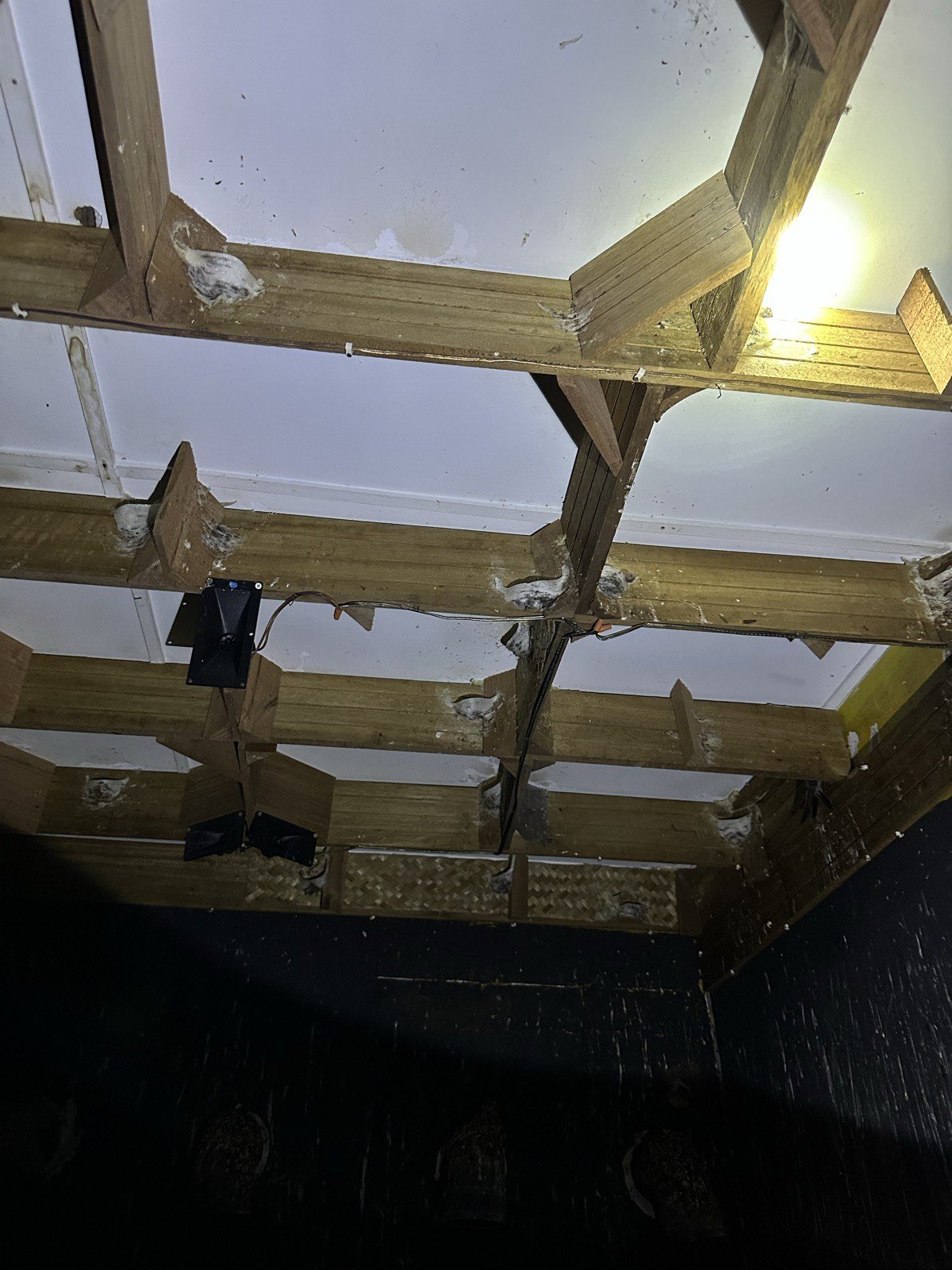
The opposite is also true. Nests in front of a tweeter, or right next to it, mean that spot is right.
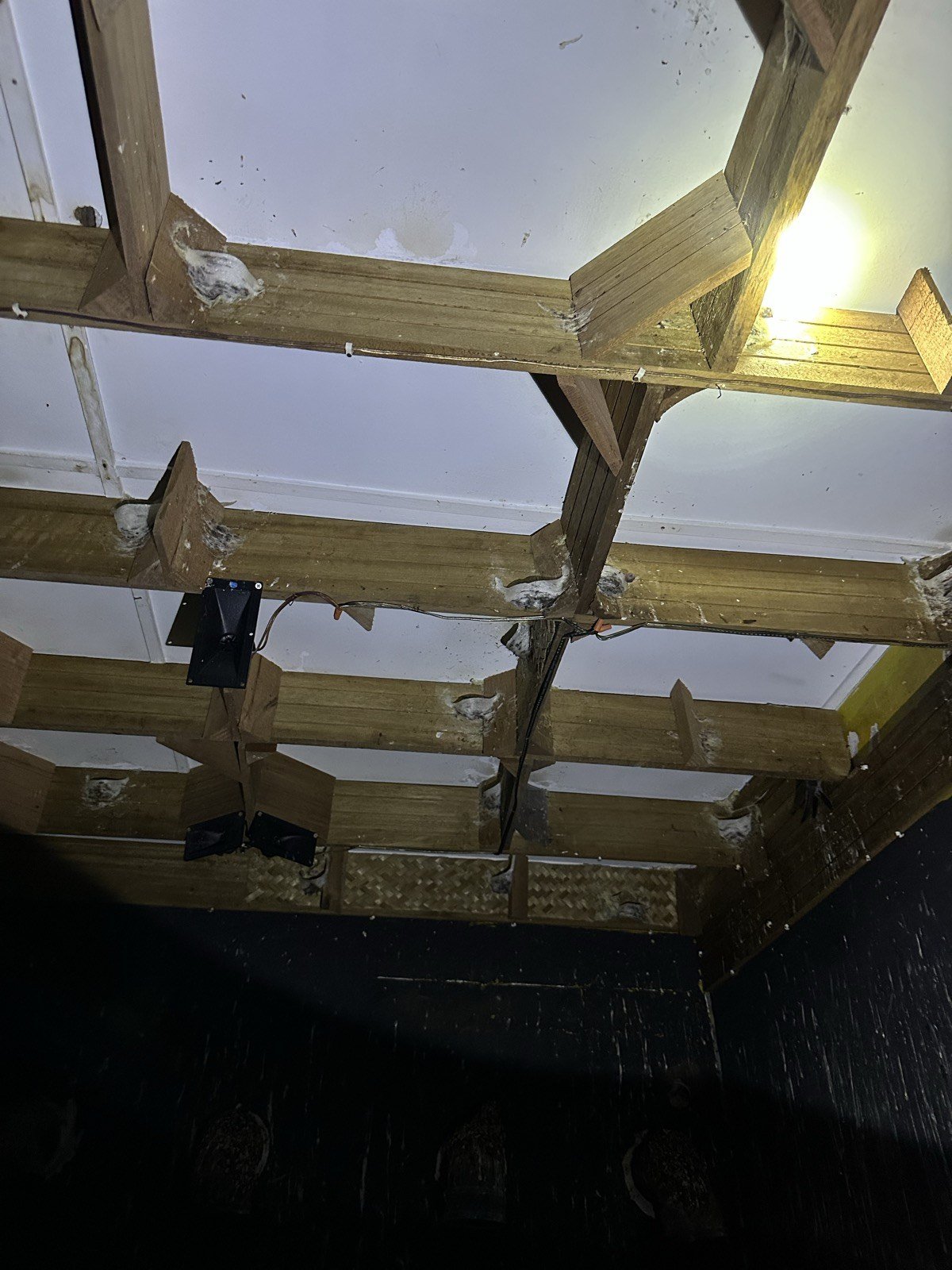
Where the nests are is the birds’ answer. They will not be polite about it. If a tweeter is in the right place, they tell you by building there.
Three common mistakes
One: more tweeters must be better.
A thousand tweeters calling at a house the birds cannot get into will call all night for nothing.
Past a certain point, more tweeters work against you. The calling is far bigger than the number of birds actually living inside. A swiftlet flies over, it sounds busy in there, it comes in and finds almost nobody. It got fooled once. It will not come back for a second time.
There is a simpler way to see it. Sound works like road signs. Too many signs and you cannot read any of them. Same for the birds. When it gets messy, they cannot tell which spot is home, so they do not want to stay.
In the zones that do well, the number of tweeters goes down over time, not up. So when you ask “should I add more tweeters”, the answer is often to take some away.
Two: copying someone else’s positions.
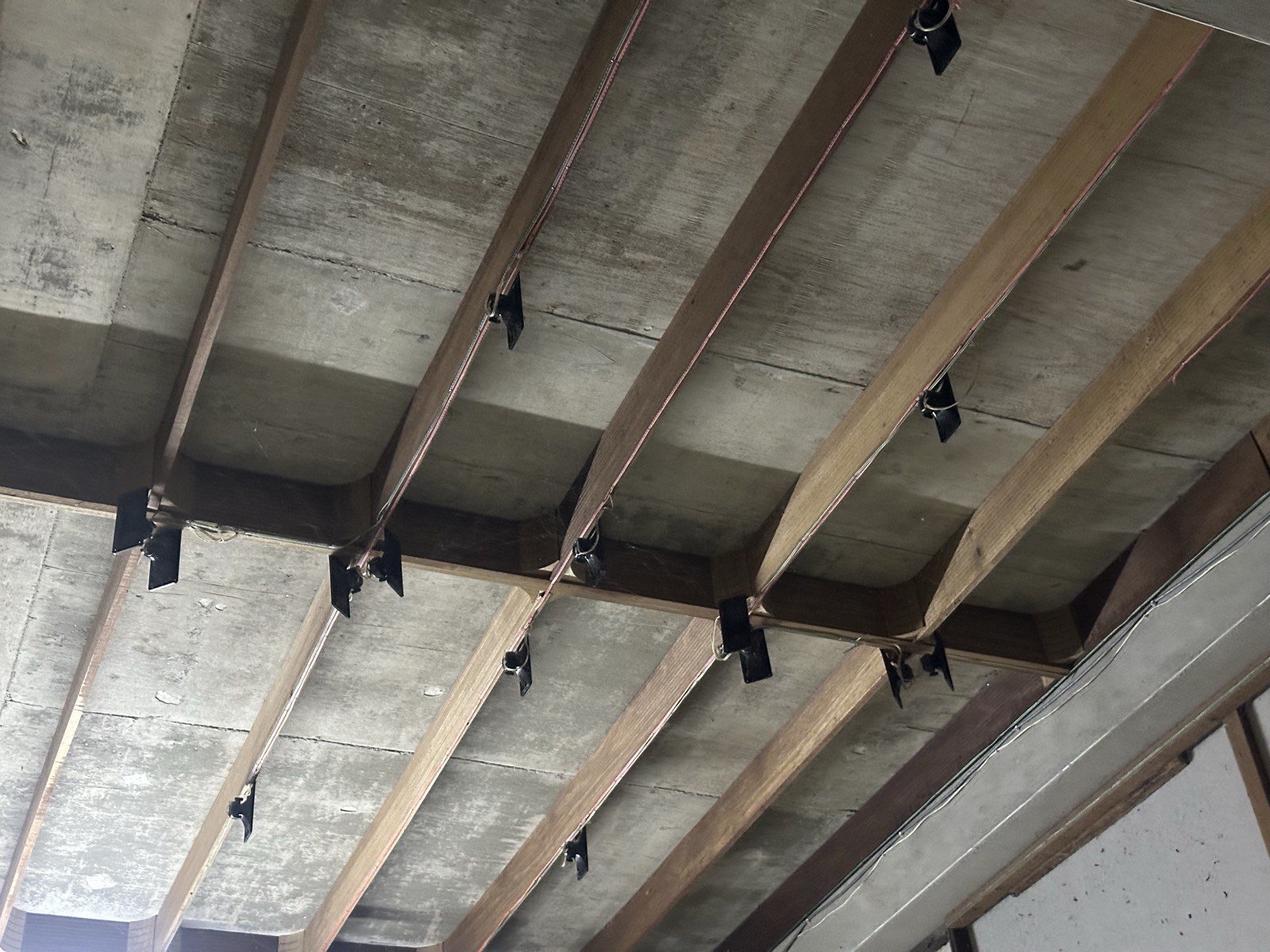
The house next door is doing well, so you put your tweeters where they put theirs. It is not only other people’s houses. Even your own other house that is doing well may not fit this one. Layout, number of birds and conditions are different in every house. Copying a setup without knowing why it was done that way is risky.
Three: one tweeter type everywhere.
Tweeters have different ranges. Fill the entrance hole with one type and they all reach the same distance, so the middle stretch goes quiet. Birds that reach that stretch hear nothing, so they keep sweeping around outside and never go in. Wherever the sound breaks, that is where the birds stop.
How to think about position: one rule
There is no single way to install tweeters. It depends on the house. But one rule does not change: the sound must not hit a wall and bounce back.
When sound hits a wall and comes back, the birds can still hear it. What they hear is a blur.
Keep to that rule, then look at these:
- Follow the whole flight path. Birds do not only fly in through the entrance. They turn, and they fly out again. So do not point everything straight at the side they come in from. What you want is sound that covers the space evenly.
- Focus on the sides, but the middle still needs tweeters. The four sides and the corners come first. In the middle zone, decide the positions by looking at where the nests are, not by spacing them out on a grid.
- Keep the tweeter body out of the way. In a monkey house (the structure that sits up higher on top of the roof) and at a side entrance, mount the tweeter against the wall, not on the opposite side. On the opposite side the tweeter itself sits right in the line the birds fly through.
- Where the planks are already full of nests, do not add more.
- Changing or adding tweeters, do it in batches. Make one part of the house, the part birds can settle in, as good as it can be. A small, concentrated area makes it easier for birds to find a partner, and it costs less. When that batch shows results, see where the nests went and do the next batch in that direction.
One more case. Nearly every internal sound tweeter in the house has nests, but a few have stayed empty the whole time. We call these blacklist tweeters. The spot is the problem. Putting a new tweeter back in the same spot changes nothing. Move the spot.
(For how birds are led in at the entrance itself, see swiftlets circling the entrance hole but not going in.)
When the tweeter itself matters
Only once the positions are right does the quality of the tweeter come in.
You can check this yourself: look where the nests are. Nests in front of a tweeter means a good tweeter. Birds all hiding behind it to build means it is most likely leaking sound out the back.
That is what we changed on our own AU8 25P. Sound leaking out the back sends birds behind the tweeter to nest, so we made the back cover thicker. Many tweeters use iron at the back, which rusts fast in a swiftlet house, so we use copper. When we tested, we ran 8 kinds of tweeters side by side in the shop for three months, and the birds nested on the 25P first.
A good tweeter in the wrong place still does nothing, though. And if your nest count has been stuck for years, the sound is usually not the cause. Start with these four directions.
Next step
Do not add tweeters yet.
Pick a day, wait until the birds have all gone out, then go in and take some photos. Get the position of the tweeters on each floor, and whether the planks around them have nests. Then draw a simple floor plan showing where the entrance hole and the second entrance (the second door that birds will pass through in your bird house) are.
Send the photos and the floor plan to us on WhatsApp. We will look at which tweeters are in the wrong place, which ones can come down, and where the next batch should go. The drawing does not need to be neat. We just need to see where the entrance is.