

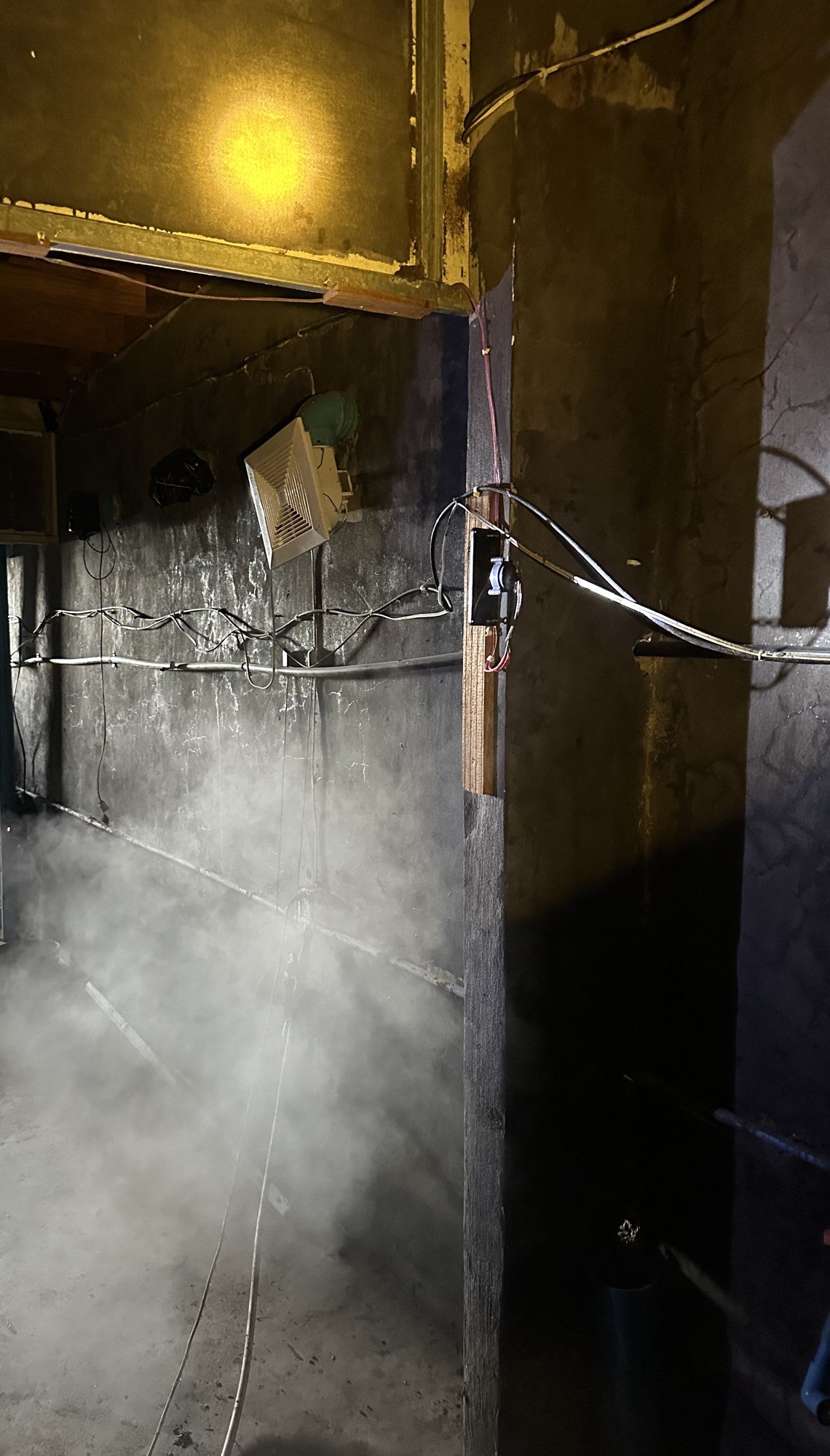
You walk into your swiftlet house and it feels stuffy. The nesting planks feel damp. The nest count has not moved in years. The first thought most owners have: not enough ventilation.
So they add. A few more holes in the wall, more rows of ventilation blocks, an exhaust fan. More air, better house.
Airflow does not work like that. Too little causes trouble. Too much causes trouble too. At both ends, the birds will not stay.
What you are looking at
The house is stuffy, or the opposite, you walk in and there is wind blowing through. The planks go mouldy one section after another. You replace them, and a few months later the new ones are mouldy too. The birds come home every day, but the nests stay at the same number.
What you can see are results. The air itself you cannot see, so it is easy to blame something else.
The usual mistake: thinking more ventilation is always better
Kiew Meng Kui, who teaches the Swiftlet Signature Masterclass (SSM) with me, talked in a livestream from Cambodia about what he saw there: some houses had a whole section of wall filled with ventilation blocks, because the owners thought the more ventilation, the better.
The problem is that hot air rises, so the plank level up top is the hot part of the house. At night the cold air sinks, then gets pushed back up to the planks, and that top layer ends up short of oxygen. When the air is moving too much, the birds do not stay.
Why does strong air keep them away? The reason is simple. When the air blows straight onto a bird, it does not feel safe.
So think before you open more holes or build more ventilation blocks. The extra ones might be exactly the ones pushing the birds out.
Three kinds of air inside the house
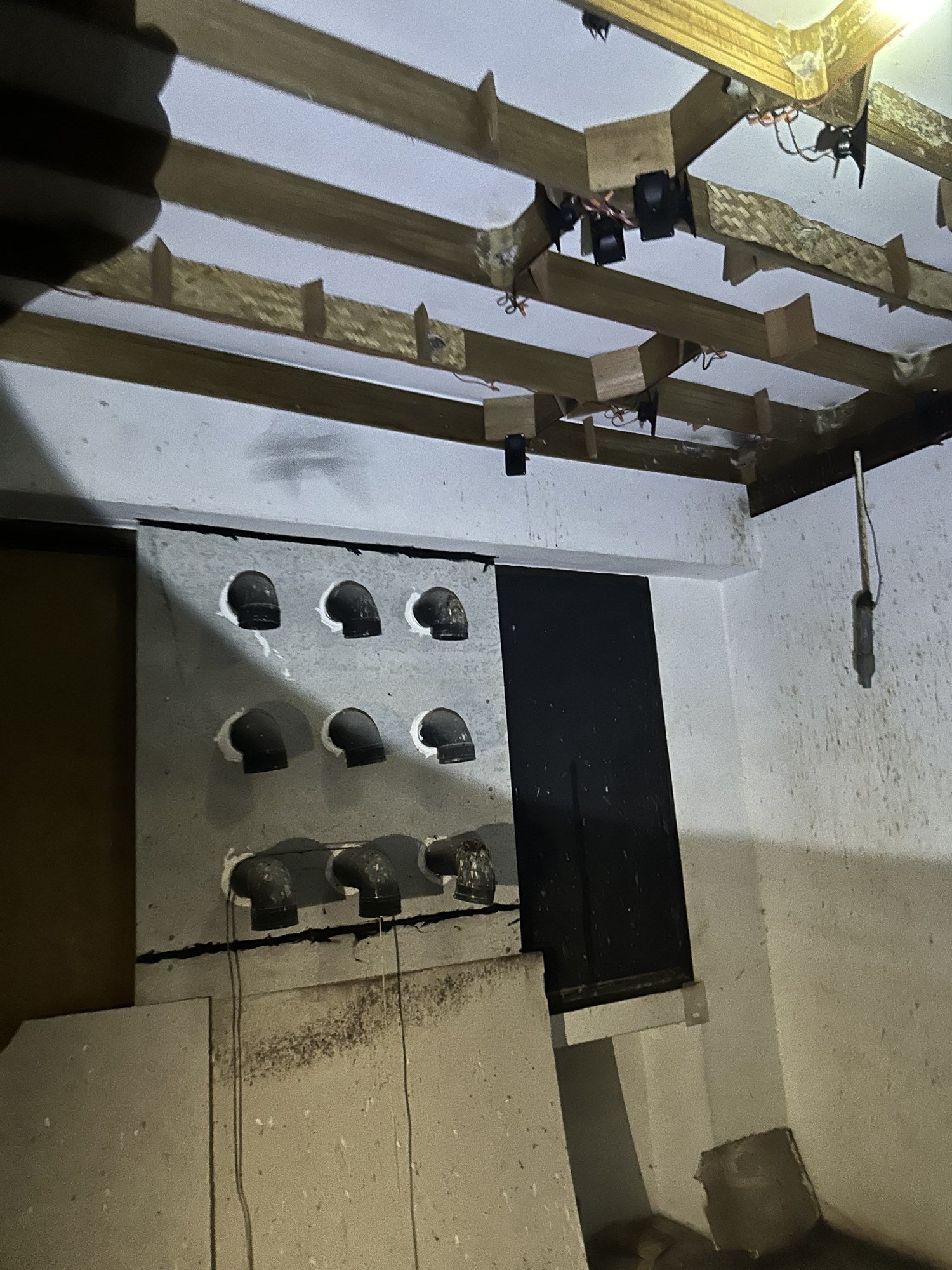
When we talk about airflow, we look at the air inside in three ways.
One, no movement at all. No fresh air comes in and the air just sits there. We call it stagnant air. A house like this often stops at a certain number of birds, the owner cannot see why, and usually ends up blaming the sound.
Two, moving air. Air comes in and moves around. The air inside has to move, or the house gets stuffy.
Three, how fast it moves. Where the wind is too strong, the birds clearly stay away from it. Slow air is still moving, but by the time it reaches where the birds are, it no longer blows on them.
So what the birds want is air that moves but does not blow at them. Stagnant air does not work, and neither does air that is too strong.
Air also brings heat in
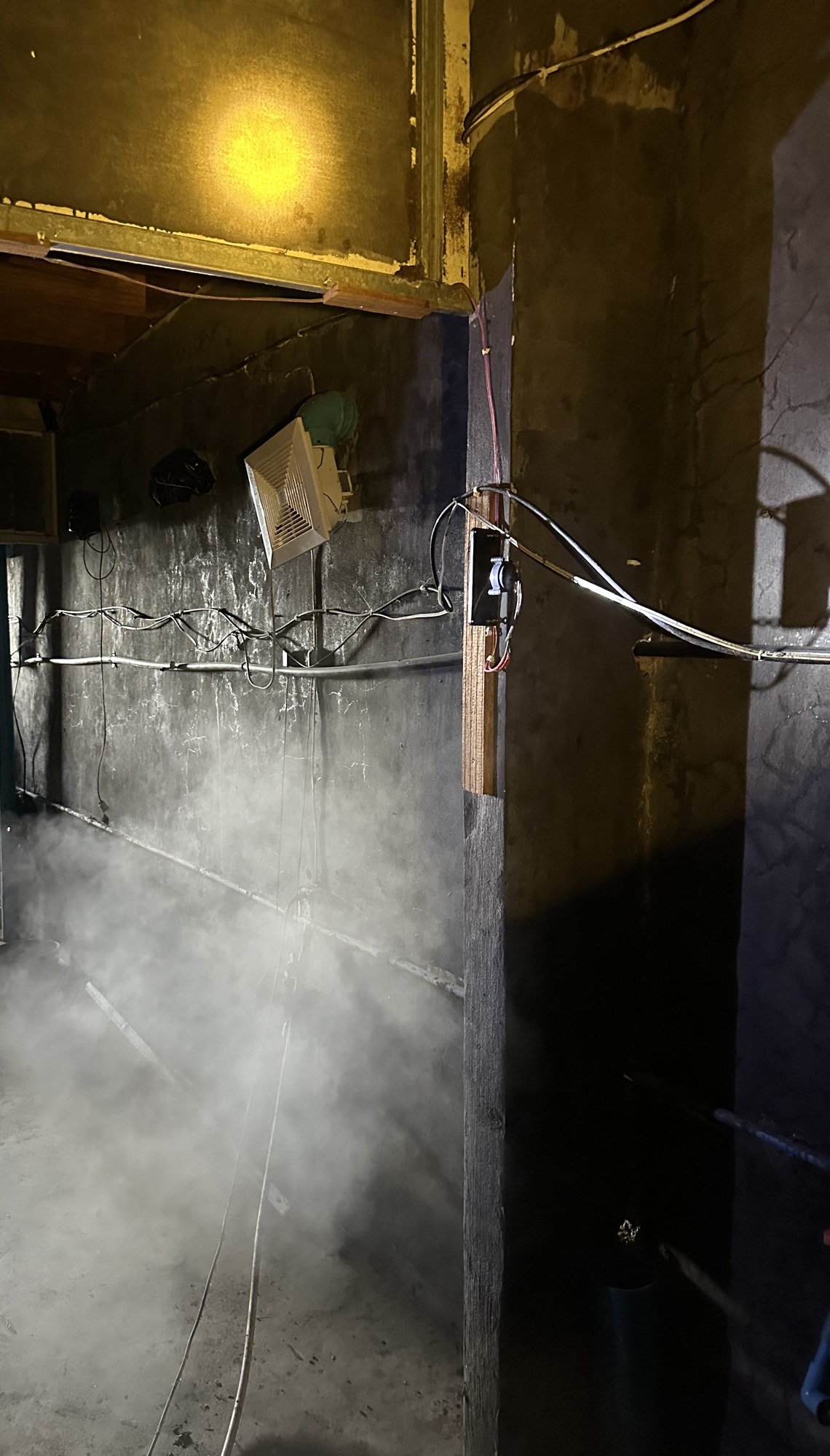
One thing a lot of people forget: moving air carries its own temperature.
When it is hot outside, you may think more holes means a cooler house. You could just be pulling the outside heat in. Getting heat out of a house depends on how it was physically designed, whether the heat has a way out. Installing an exhaust fan is not the same as having that design. How heat builds up and leaves is in another article of mine, what temperature should a swiftlet house be.
Planks that keep going mouldy are often an air problem
Many owners handle mould the same way: it goes mouldy, pull it down, put new planks up. A few months later the new ones are mouldy again.
Planks go mouldy because the house gives them the conditions to. Three common ones: water sitting on the floor, moisture rising from it all the time, and air inside that does not circulate. A house that is too damp grows mould, and a house with poor ventilation shows it even more. If those three stay the same, the new planks you nail up are just the next batch to go mouldy.
Where to look, in this order
One, the entrance hole first. The level line, the angle and the light at the entrance are layer one. Until the birds can fly in smoothly, perfect airflow does nothing for you. Airflow comes in at layer three.
Two, where the nests are. The birds use the position of their nests to show you where the wind is too strong. How to read that is in swiftlet house stuck at the same number for years.
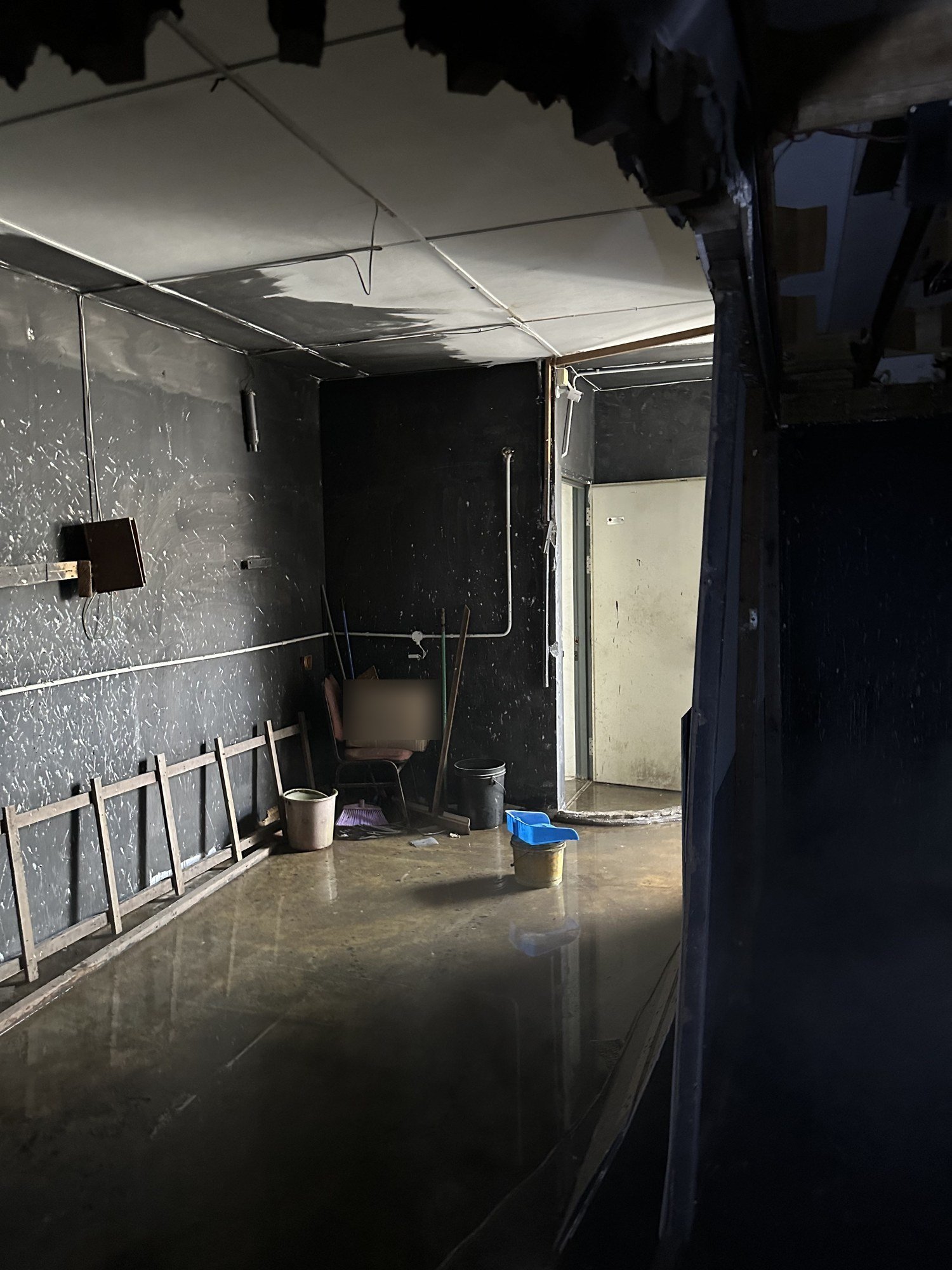
Three, where the planks are mouldy, and what the floor looks like underneath. Is there standing water? Is it dry?
Four, write down every vent and exhaust pipe you have now. Which wall, how high, how many. No wind meter, no gauge to buy. Just know what your house looks like right now.
Every house is different in location, layout and number of birds. How many holes another house has, and where, may not be right for yours. That goes for your own other house that is doing well, too.
When equipment comes in
None of the four steps above costs money.
Buy an exhaust fan or build more ventilation blocks before you know where the problem is, and you may be doing the exact opposite of what the house needs. In some houses the problem is too little air, in some it is too strong, in some the air needs slowing down. Each house needs something different.
That is the order the MDK Swiftlet House Diagnosis Method follows: diagnosis first, prescription second. Find out which kind of air is the problem in your house, then decide what to change.
Your next step
One thing you can do today that costs nothing: in the daytime, after the birds have flown out, go in and take a few photos.
Take one photo of an exhaust pipe, one of a vent, one of the plank with the worst mould, and one of the spot that feels the stuffiest. If there is water on the floor, take that too.
Send them to us on WhatsApp and I will help you see whether it is a design problem or an equipment problem. No charge, and you do not need to buy anything first. If we need more after looking, we will ask. You do not have to prepare everything at once.