

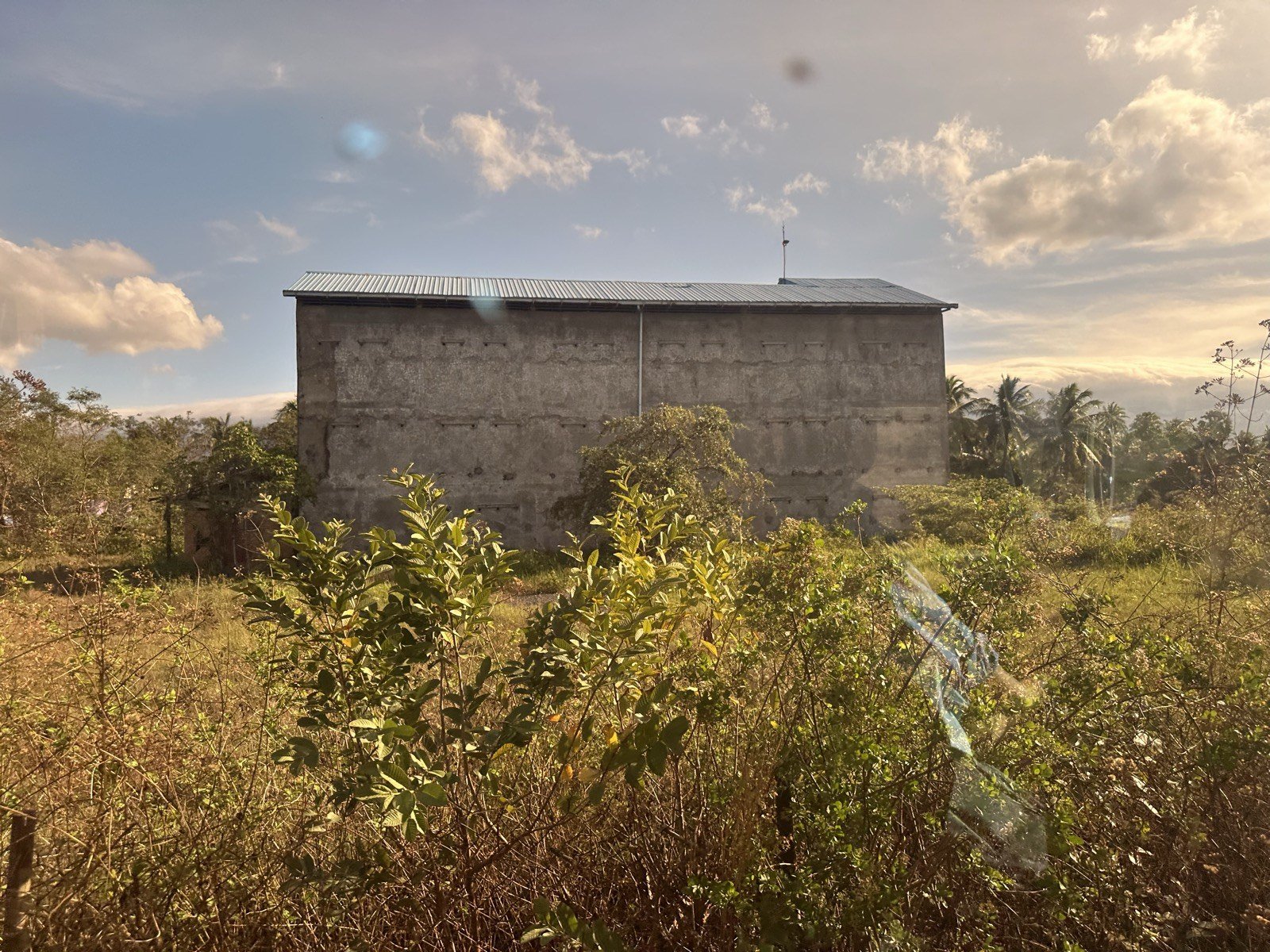
The house is finished. The sound plays every day. Months go by, you go up in the daytime, and it is still empty. Not one nest on the planks. The walls are clean.
You start to wonder about the location, the sound, or whether to buy some aroma and spray it around.
Stop there. Keep your money in your pocket and get the order right first.
First: has it never had birds, or did it have birds and lose them?
Both look empty, but you check them in different ways.
A house that lost its birds starts with one question: what happened before they left? See Why is my swiftlet house production dropping?
This article is about the other kind: since the day it was finished, no birds have settled in it.
When we look at a house like this, the first things we ask are: how many years has it been running? Do you manage it yourself, or does someone manage it for you? A house a few months old and a house empty for years are usually stuck in different places.
The usual mistake: spend first, look for the reason later
Owners of empty houses usually go down one of three roads.
Road one: buy aroma or hormone. The idea is that the house does not smell of swiftlets, so the birds do not come, so you add some smell.
Road two: change the sound, add more tweeters. The sound must not be attractive enough, so you try another track, then another, and the tweeters keep multiplying.
I took this road myself. When a house stays quiet, sound is the first thing I used to blame.
Road three: blame the location. Fewer insects now. Too many houses around here. The neighbour started earlier.
All three give medicine before anyone knows what is wrong. If a doctor gave you medicine without asking you a single question, would you take it? Swiftlet houses take this kind of medicine all the time: change the sound, buy a smell, then try another brand.
The order to check an empty house
The MDK Swiftlet House Diagnosis Method looks at a house in three layers. The order matters, because if the first layer fails, the birds never get to enjoy anything you did in the layers after it.
Layer one: the entrance
If birds cannot get in, nothing you put inside matters. So in an empty house, the entrance is always the first place to look.
There are three things to check at the entrance: the level line, the angle, and the light.
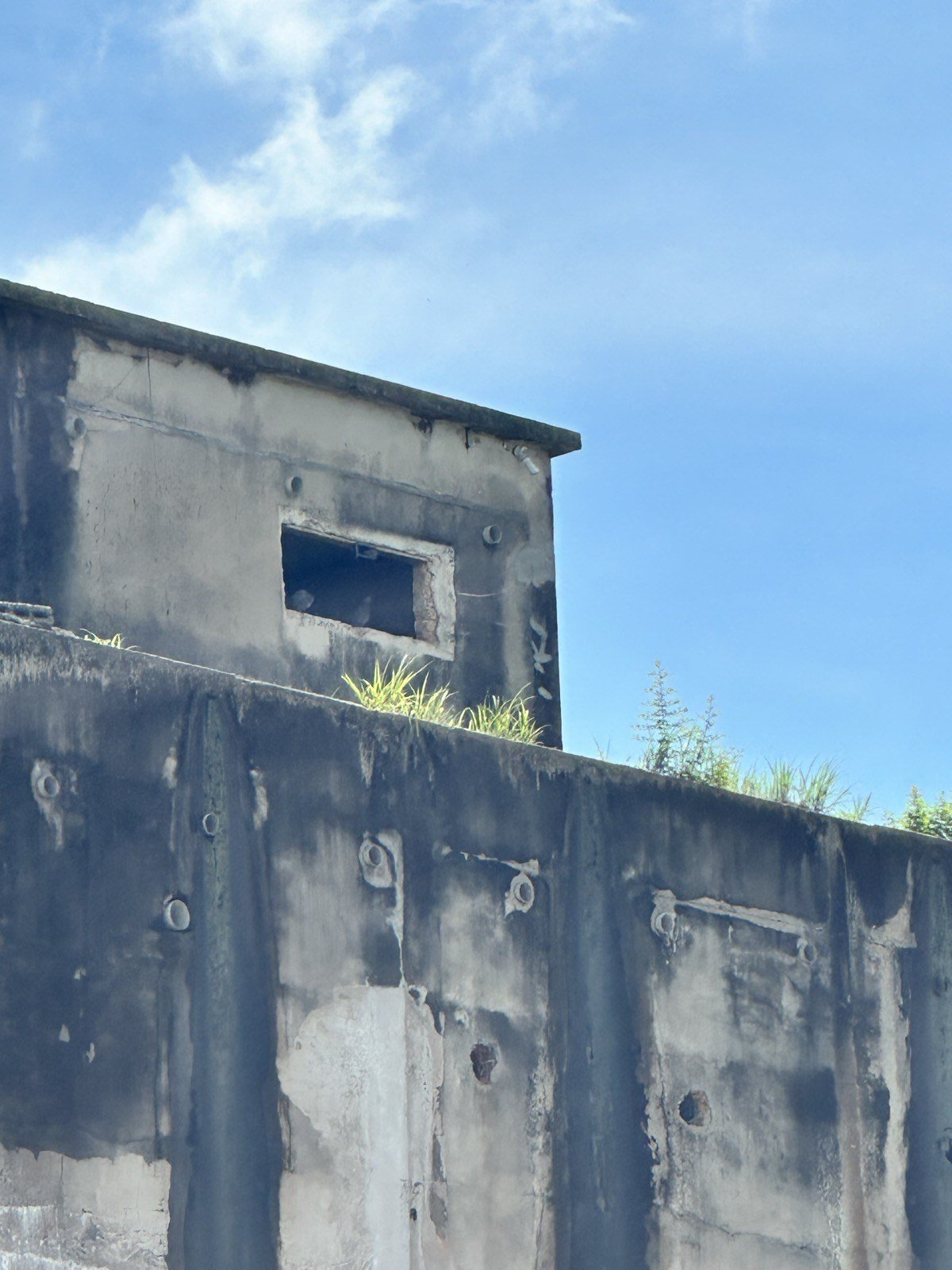
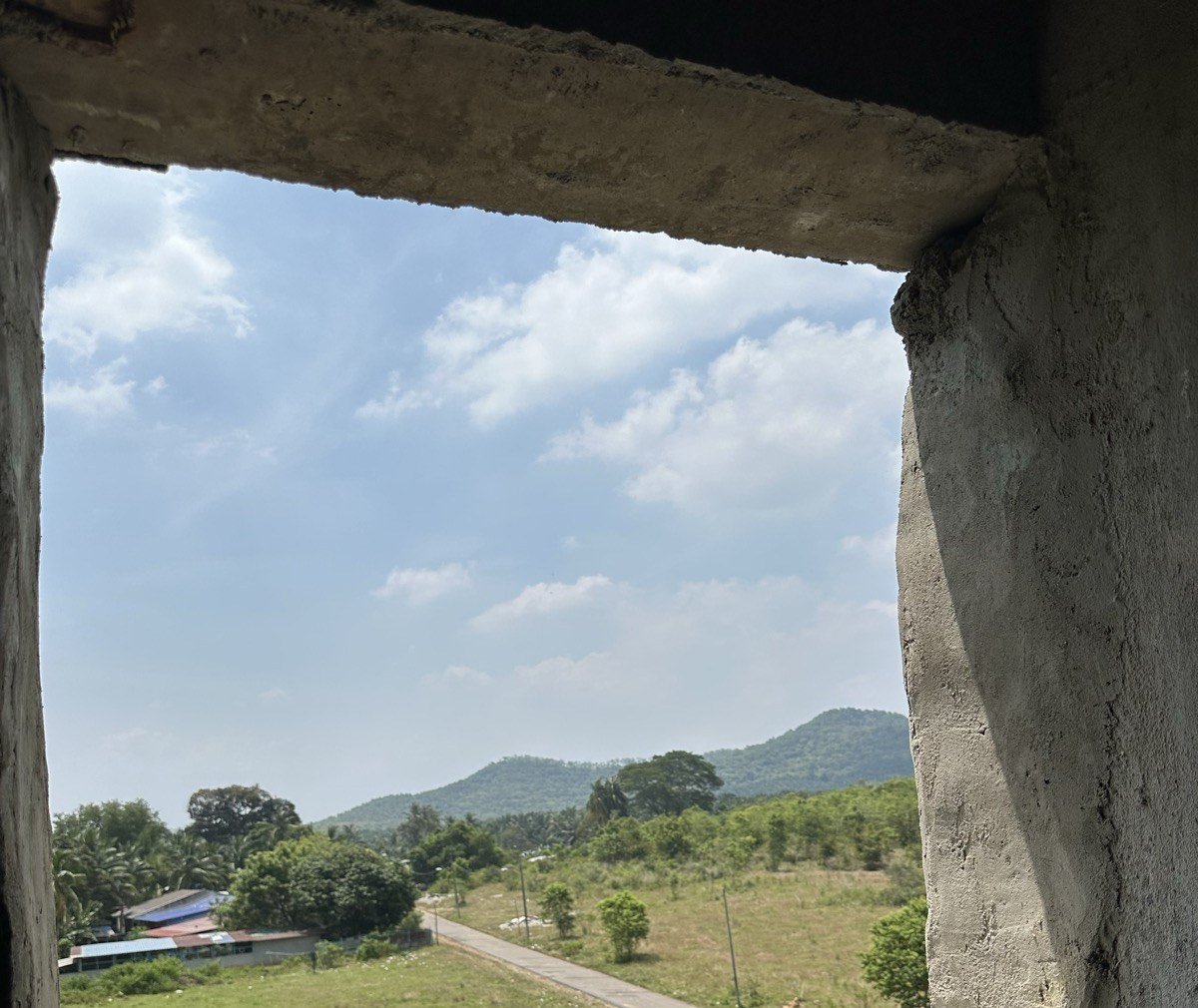
The level line. The simple test is to go and stand there yourself. Stand at the second entrance (the second door that birds will pass through in your bird house), and from some angle you should be able to see the first entrance (the hole the birds fly in from outside). If you cannot see it, the bird has to make a sharp turn or suddenly dive on the way in. Swiftlets fly fast. If the last move into your house is an awkward one, they choose another house.
The angle. This is how steeply the bird has to drop from the outer hole to the second entrance. There is no number you can copy, because it changes together with the distance and the width. Change one and the others move with it. What worked in someone else’s house may not work in yours.
The light. If the house is too dark, the birds have to feel their way for a long time before they dare go deeper. They are afraid. A house like that can still fill up, but much more slowly. What about putting your own lights at the entrance? Do not install them on your own. Installed wrong, they cause problems and the birds will not go into the entrance. This is something you need to ask us about. I wrote more about light in Does a swiftlet house need to be completely dark?
One thing you can check today: droppings on the walls. A patch of droppings on the wall just before the second entrance is often a sign that birds came and circled there for a long time, but what it really means depends on the rest of the house. If the walls are completely clean, do not jump to any conclusion either. Droppings or no droppings, take a photo and let us see it.
Layer two: the flight path and the nesting planks
Once a bird is past the entrance, the next test is whether the way through the house is easy to fly, and whether the planks are somewhere it can live.
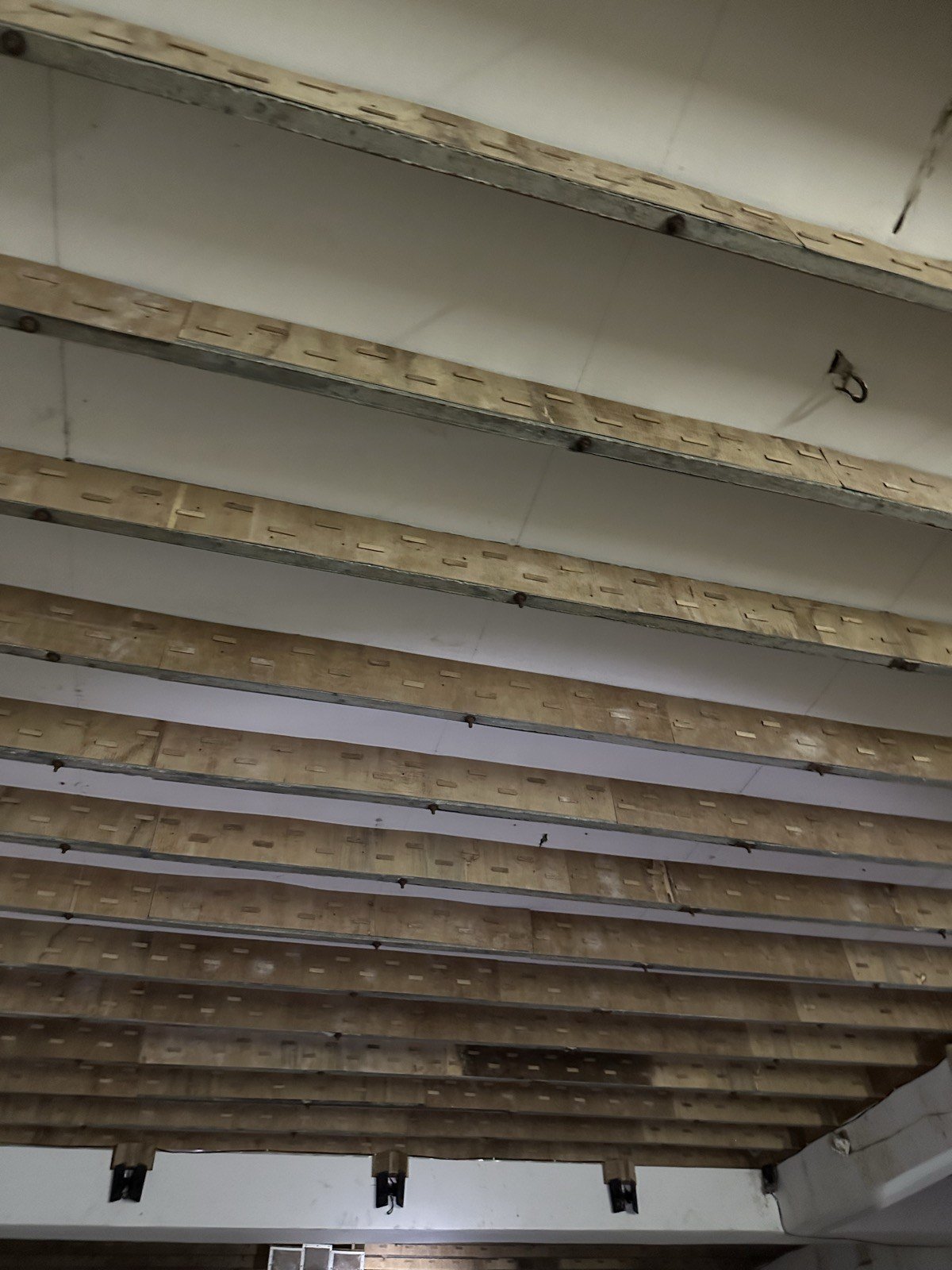
If the path keeps turning and squeezing through narrow gaps, the bird gives up. If the planks are old, dirty, mouldy or smell wrong, the bird can get in but will not stay. This layer is best checked together with the entrance.
Layer three: airflow, temperature and humidity, and how the sound is spread
These come last. They matter, but if the first two layers fail, nothing you adjust here will show. Many empty houses stay stuck for a long time because the work started at this layer.
So does location matter?
Yes. But location decides how fast your house fills up. It does not decide whether it fills up.
A good location gets your house going sooner. That is true. But when the method is right, a house in a very competitive area still grows. And some houses in good spots get birds no matter what the owner does. That does not always mean the owner did it right. It may just mean nobody nearby was competing.
So do not rush to blame it. You cannot change the location. You can change the entrance, the flight path and the planks.
When spending money comes in
Once you know which layer is stuck, you can talk about what to buy, if anything.
Sometimes the answer costs nothing: knock down a wall, or open another hole. If the planks smell of mould, then it is time to clean them, and our own Meranti+ Nesting Plank Enhancer is sprayed on. The same goes for hormone, pheromone and aroma, and for sound. They go in once the diagnosis gives a reason for them.
You do not have to guess whether your sound is right. Record a clip and send it to us, and we can judge it much more accurately.
That order is what the Diagnosis Method is about: diagnosis first, prescription second.
Your next step
Go up today or tomorrow in daylight and take a few photos: the entrance hole from outside, the view from the second entrance toward the first entrance, the nesting planks inside, and any wall that has droppings on it. Then, standing on the floor, use your phone to record a short clip of what the house sounds like inside.
Send them all to us on WhatsApp, and tell us how many years the house has been running. We will look at which layer is stuck. There is no charge, and you do not need to buy anything first. After we look, if we need more information, we will ask you. You do not need to prepare everything at once.