

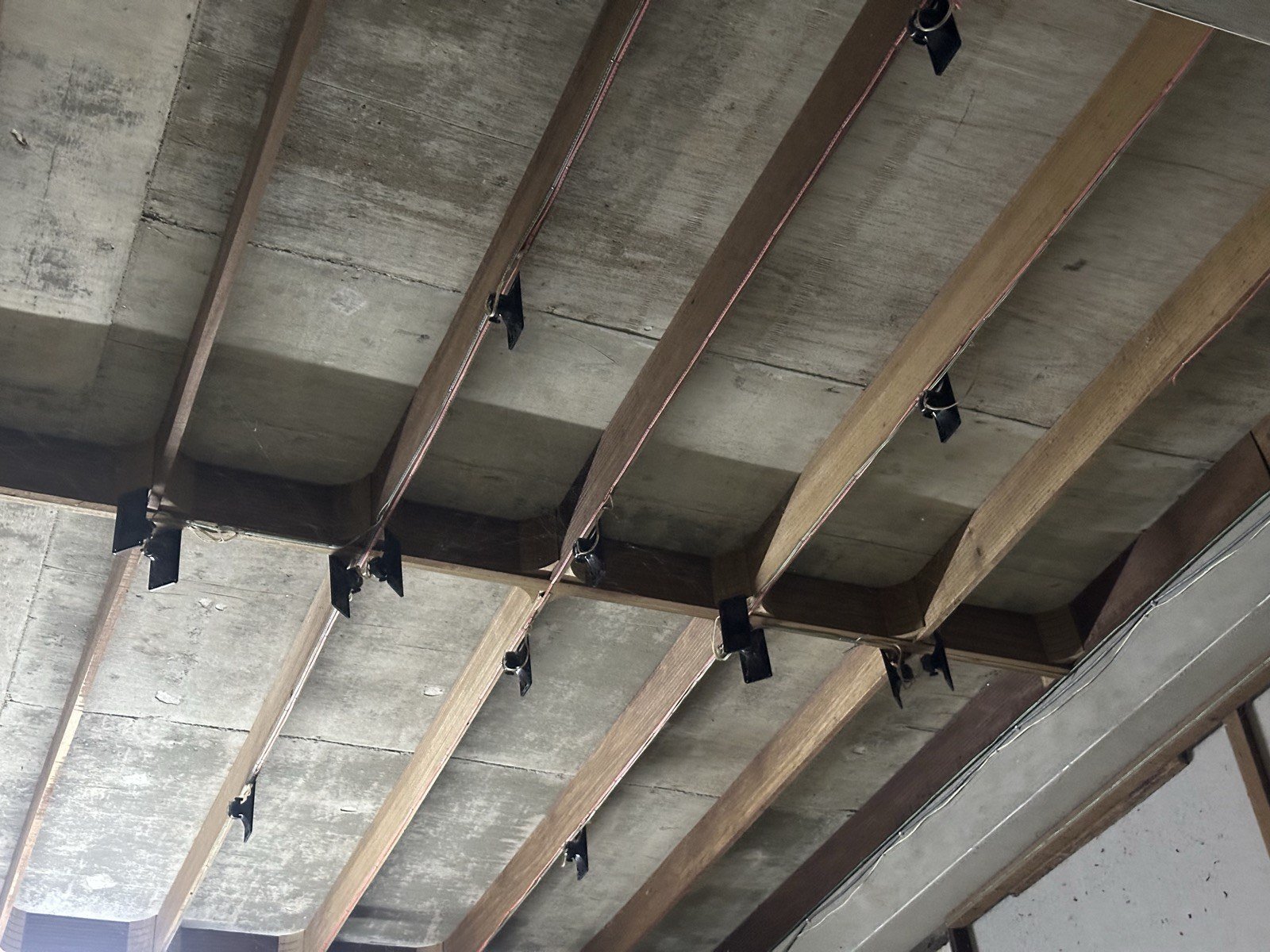
People often ask me what they should never do inside a swiftlet house. Most are thinking of taboos: days not to go in, things not to put inside.
That is not what this is about. What you really must not do is a few actions that push swiftlets straight out. And the owner doing them is usually the most careful, hardest working one.
What you are looking at
The birds were fine and the nests were slowly going up. Then you went in and did some work: changed a few planks, nailed some wood, sprayed something, or changed the whole house in one go. A few days later there are fewer birds, some spots are empty, and new birds come but do not settle.
Most owners look outside first: predators, the house next door, fewer insects.
Trace it back: when did the birds start dropping?
Split it into two lines first. One is predators, and you can find signs inside: droppings from other animals, dead rats, feathers. The other is something people did: the birds left after you worked on the house.
So think back, or ask whoever looks after the house: in the weeks before the birds dropped, what was changed inside? If something was, go through the list below.
The usual mistake: adding things the moment something goes wrong
When birds drop, many owners add more: more tweeters, more mesh, one more spray. Adding feels like doing something. Removing feels like a risk.
Kiew Meng Kui, who teaches the Swiftlet Signature Masterclass (SSM) with me, puts it plainly: owners with a production drop get told to add things, when the right move is usually to take things out. But removing has rules too. Here is the first.
1. Never knock on a spot where birds already live
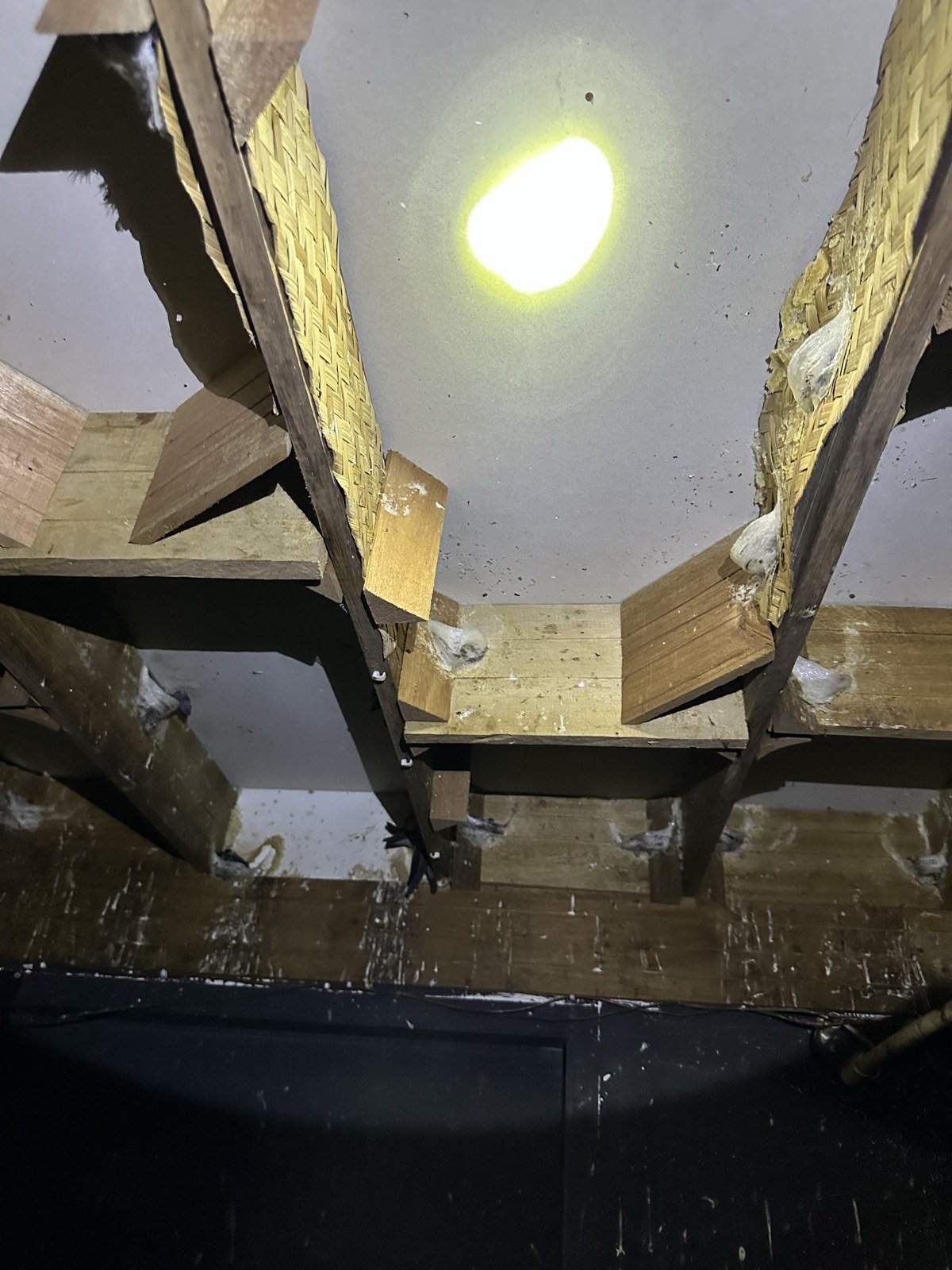
Many years ago Kiew Meng Kui did it in his own shophouse. He knocked out old plank sections to rebuild them in a shape he thought was better. The birds in those sections all left, the ones in the four corners too, and that whole area never came back. He tells the story himself so nobody repeats it.
There is only one test: are there birds in that spot right now? A tweeter no bird lives near, an empty section, something hanging in the flight path: those can go. A plank or section with nests and birds on it: do not knock on it, do not replace it. If you really must touch it, work in batches. One section first, the next only when the birds are used to it.
2. Never change everything at once
This goes with the first. A big change all at once scares swiftlets most. Step by step is much less risky.
There is another reason. Change five things at once and if the birds come back, you do not know which one helped. If they leave, you do not know which one hurt. Kiew Meng Kui changes one thing at a time, writes it down, and comes back after a while to see how the birds react.
Replace damaged planks one by one, not the whole house together. Same with new corner wood: put up too much at once and the birds get confused and take longer to find their spot.
3. Never spray just anything on the planks
A plank is not a floor. What goes on it does not wash out, and in bad cases the plank must go.
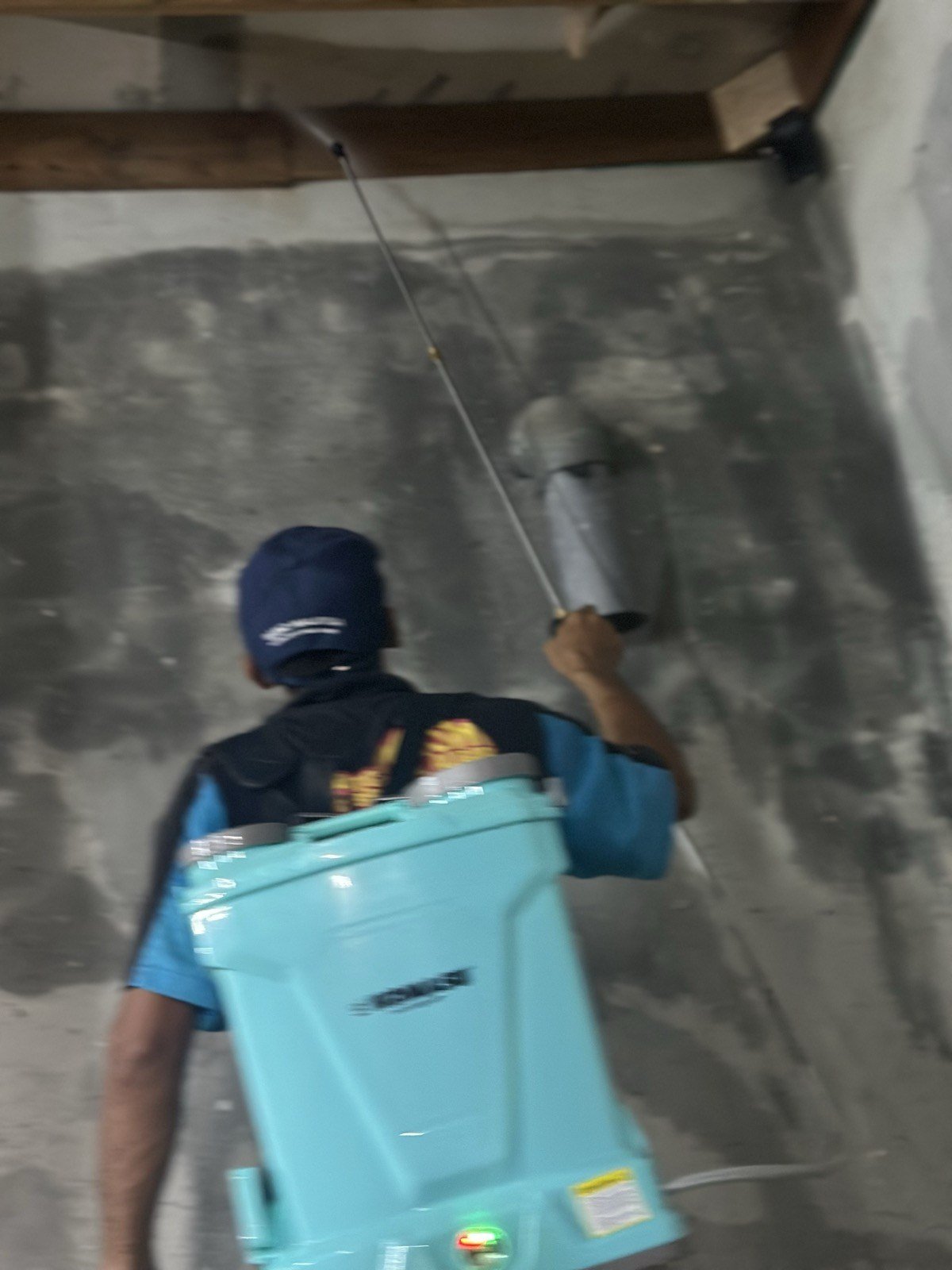
Keep enzyme products and wood vinegar off the planks. One leaves a sugar base that turns the nest base yellow over time, the other leaves wood tar. Strong pesticide stays off the planks too. For insects, spray the walls and floor.
Same with hormone: walls and floor, not planks. Why is in Should you spray hormone on nesting planks.
4. Never hose or wash the planks with plain water
My book once said planks that are not too dirty can be left unwashed, since water leaves them damp and they grow mould. I have changed my mind: a plank that was never washed should be washed. But the reason behind the old line still holds. Plain water on a plank really will bring mould.
The tool changed, not the reason. Clean planks with something made for planks, not a hose.
Timing matters too. Spray anything on the planks in the daytime and finish early, so they are dry before the birds come home, not wet and cold.
5. Never scare the chicks when you go in
Every time you go in, the birds are disturbed. Before you start, stand and listen to check the sound is still the one you want. Then turn off the external sound, turn off the internal sound, turn the internal sound back on, and only then go in and work. The chicks are less likely to get a fright.
Be most careful with about-to-fly birds. A fright makes them fall easily, and once down they can hardly climb back. When you spray or work, keep away from their spots.
If you removed or knocked anything, wash it
Removing has a second half.
Kiew Meng Kui once took out some stainless steel mesh and thought cleaning the spot made no difference. He waited years and not one bird came back to it. Later he understood: every spot birds lived on keeps their smell. Wash it clean after you take something out, and only then will new birds dare to move in.
If the spot is clean and birds still will not stay, look at the plank itself. I wrote about that in Swiftlets nesting on the walls, not the planks.
When equipment comes in
Everything above is a “do not”. None of it costs money.
If the planks really are dirty, that is when a cleaner comes in. Ours is Meranti+ Nesting Plank Enhancer. It started with the mouldy planks in my father’s house, and it was made for nesting planks, for mould and old smells. You just spray it, and it is fine on planks that already have nests.
Stop the wrong moves first, watch the birds for a few days, then we find the root together. That sequence is the MDK Swiftlet House Diagnosis Method: diagnosis first, prescription second.
Your next step
First, think back to what was changed in the house before the birds dropped. Then take a few photos: the spots you worked on recently, the area where birds dropped next to the area that still has birds, and a close-up of the plank surface. Then stand on the floor and record a short clip of the sound inside the house.
Send it all to us on WhatsApp and we will sort out whether it is predators or something the work left behind. There is no charge and you do not need to buy anything first. After we look, if we need more information, we will ask you. You do not need to prepare everything at once.