

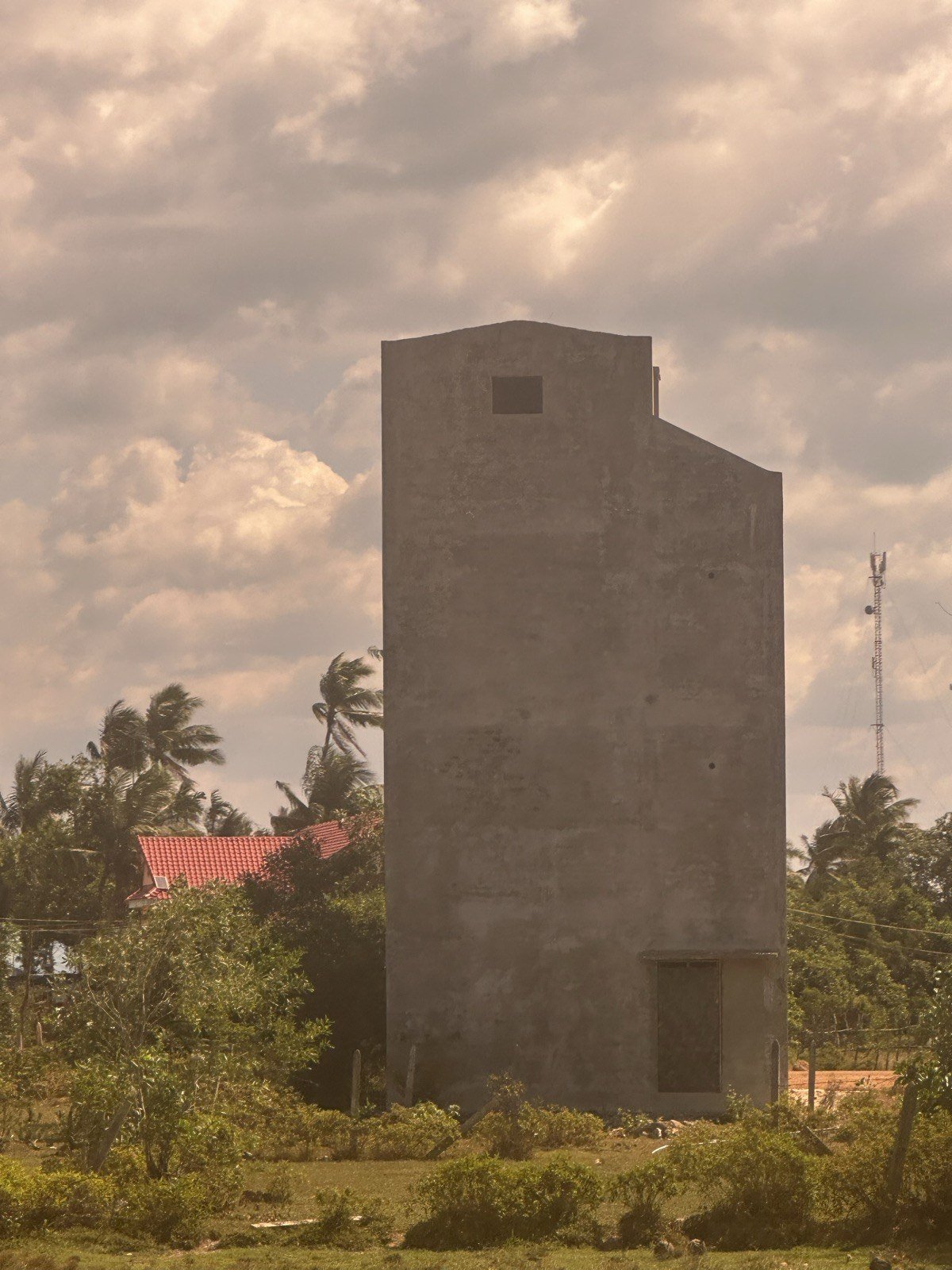
The house is built, the tweeters are running, and every evening you stand outside and watch. Not many birds. So you start asking everyone the same question: is there a trick to get swiftlets in faster?
After a while you notice something. Almost everybody gives you the same kind of answer.
Almost every tip you hear is about adding
Put in more tweeters. Change to a new sound. Buy a bottle of hormone and spray it. Add more machines to push the humidity up.
Kiew Meng Kui, who teaches the Swiftlet Signature Masterclass (SSM) with me, has looked at a lot of houses that were dropping or never took off. His observation is blunt: nearly everything the industry tells farmers to do is adding something. And after all that adding, did the birds come back? Most of the time, no.
He also says many farmers simply copy. Someone says more tweeters work, so they go home and put in more tweeters. It worked in that other house because that house had the right conditions. To be honest, even the setup from your own other house, the one doing well, may not fit this one.
Something you may not want to hear
There is no fast swiftlet house.
A swiftlet house takes months and years to mature, not days. If someone promises you results in a few days, be careful. Going from zero to a thousand birds takes a long time. Going from a thousand back to zero can happen very quickly.
So the real question is not “how do I make it fast”. It is “how do I stop wasting time”. If the direction is wrong, waiting longer does not help, and you will keep telling yourself it is just not time yet.
The usual mistake: thinking one more thing is missing
When birds do not come, the first thought is usually that something is still missing. So you add one more.
I went down the sound-changing road myself. Back then I believed the right sound would bring the birds. I changed it again and again before I understood the problem was somewhere else.
Tweeters are the same story. People see swiftlets like to build near a tweeter, so they keep adding tweeters. In the end the whole house is making noise everywhere and the birds lose their sense of direction. It is just too messy.
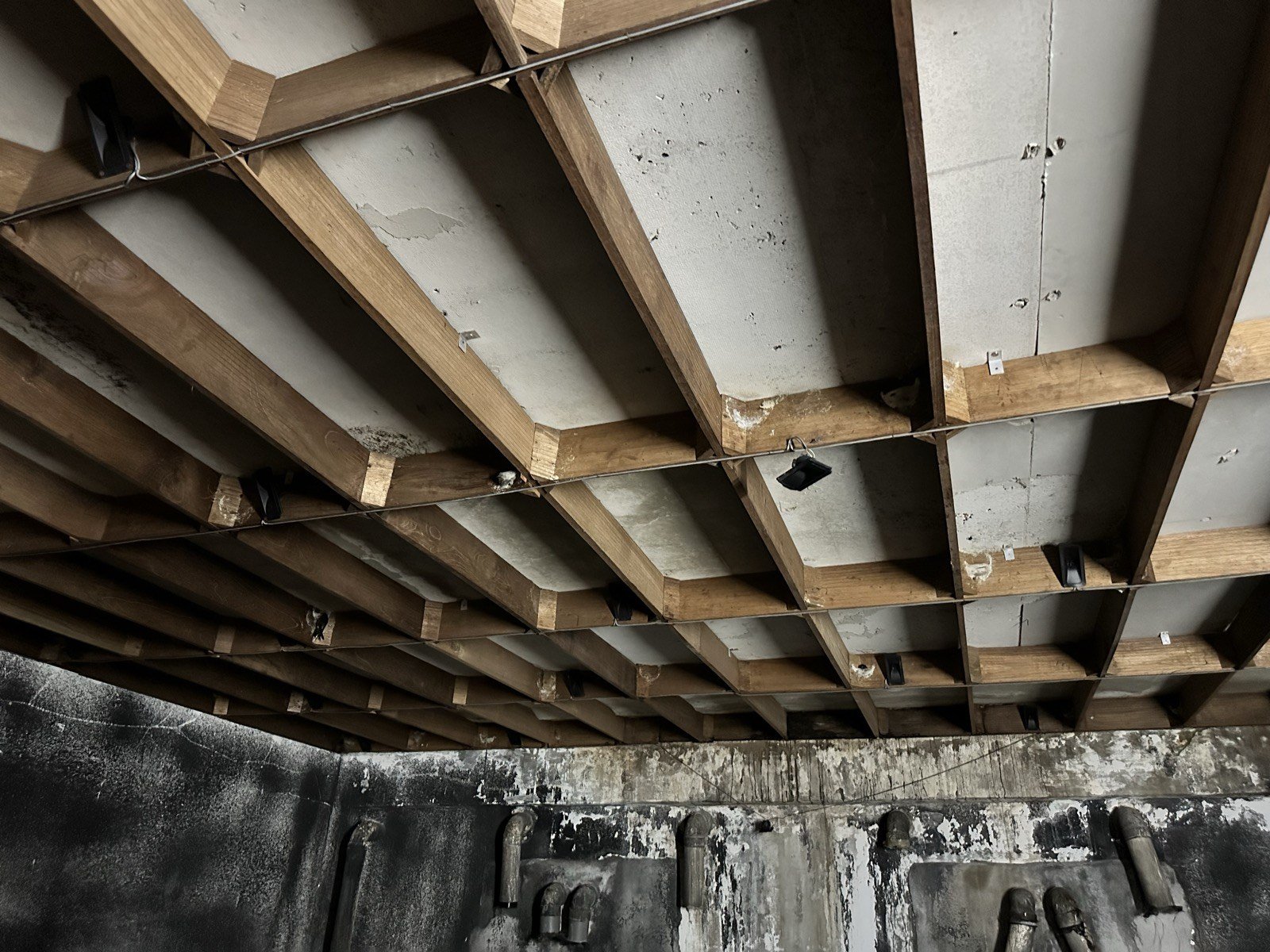
There is another problem with adding. When you add many things at once and the birds change, you cannot tell which one made the difference. When the birds do not change, you cannot tell which one to take out. The more you pile in, the harder it is to see the answer.
The order to check
Diagnosis has an order, and the order matters.
1. The entrance hole first. Its level, its angle, and the light around it. If the birds cannot get in smoothly, nothing inside the house can help.
2. Then the flight path and the nesting planks. Once inside, is the path easy for them? Old, dirty or mouldy planks mean birds can get in but will not stay.
3. Airflow, temperature and humidity, and how the sound is spread, come last.
Many houses get worked on from step three. Temperature first, new sound first, more tweeters first, and nobody ever looked properly at the entrance. Do it backwards and a lot of the money you spend goes nowhere.
A first step you can take today: remove, do not add
When production drops, everyone tells you to add. We usually tell you to take something away first.
The simplest move: find one tweeter you are sure has been up for two or three years with no nest on it or around it. Take it down. Then watch how the birds react over the next few days.
If a tweeter has been there that long and still no bird wants to live near it, and the rest of the house is right, that tweeter is probably the problem. It keeps playing every day and it slows down the whole house. Removing it costs almost nothing, and you can see the birds’ reaction with your own eyes.
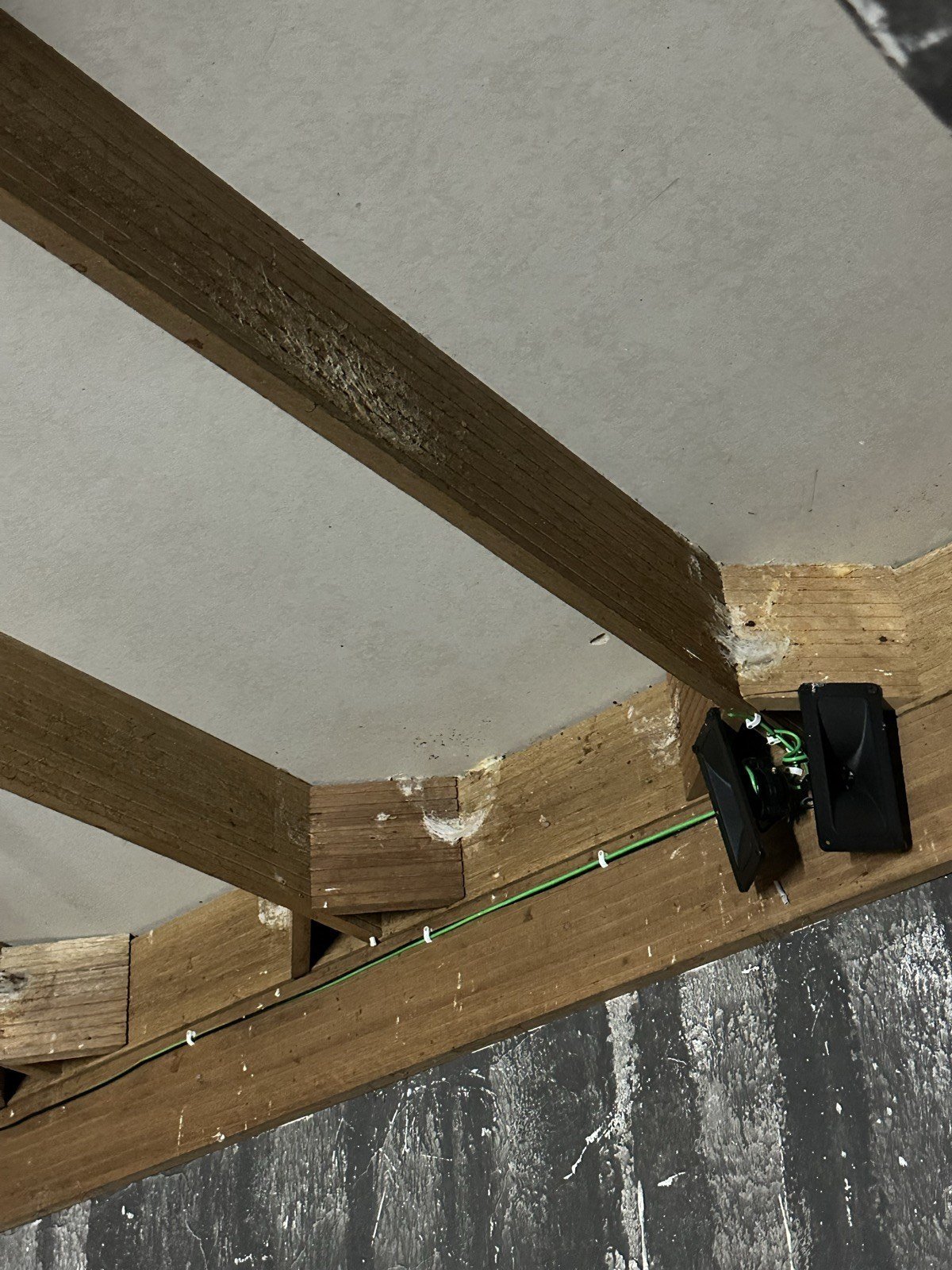
There is one more step people skip. Clean that spot. Every place birds have stayed carries their smell. Remove without cleaning and it is as if you never removed it.
And one line you must not cross: never knock on a spot where birds already live. Knock there and those birds leave. You would be trading birds you have for birds that have not come. Only remove things from spots that have always been empty.
A lot of owners know which tweeter is the problem and still do not dare take it down. That is normal. You give up something you can see for a result you cannot see yet. Adding feels like doing something. Removing feels like a risk. That is why you start with one, watch the birds, and then you know where you stand.
But which tweeter to remove, and where you must not touch, depends on your house. Every house has its own entrance, planks and sound layout. The right spot to remove in someone else’s house may be the wrong one in yours.
When equipment comes in
Only after the diagnosis gives a reason do we talk about buying anything. Sometimes the prescription is “do not buy yet”. Remove one thing, clean one spot, and you already see which way to go.
If it turns out the planks are dirty or mouldy and need cleaning, we use our own Meranti+ Nesting Plank Enhancer, made for nesting planks to deal with mould and old smells. But that comes after we have seen your planks, not before.
If your house has been stuck for years while you kept changing the sound, read Swiftlet house stuck at the same number for years. If your nests are going down every year, Why is my swiftlet house production dropping starts with counting the spots that stay empty.
Let the birds show you a small reaction first, then we go after the real cause with you. This is how the MDK Swiftlet House Diagnosis Method works: diagnosis first, prescription second.
Your next step
Next time you go up, take a few photos: the entrance hole from outside, the tweeters inside that have never had a nest and the area around them, and your nesting planks. After that, stand on the floor and use your phone to record a few seconds of what the house sounds like inside.
Send them to us on WhatsApp and I will help you see whether it is stuck at the entrance, at the planks, or whether this time it really is the sound, and which tweeter you could take down first and where not to touch. There is no charge and you do not need to buy anything first. After we look, if we need more information, we will ask you. You do not need to prepare everything at once.