

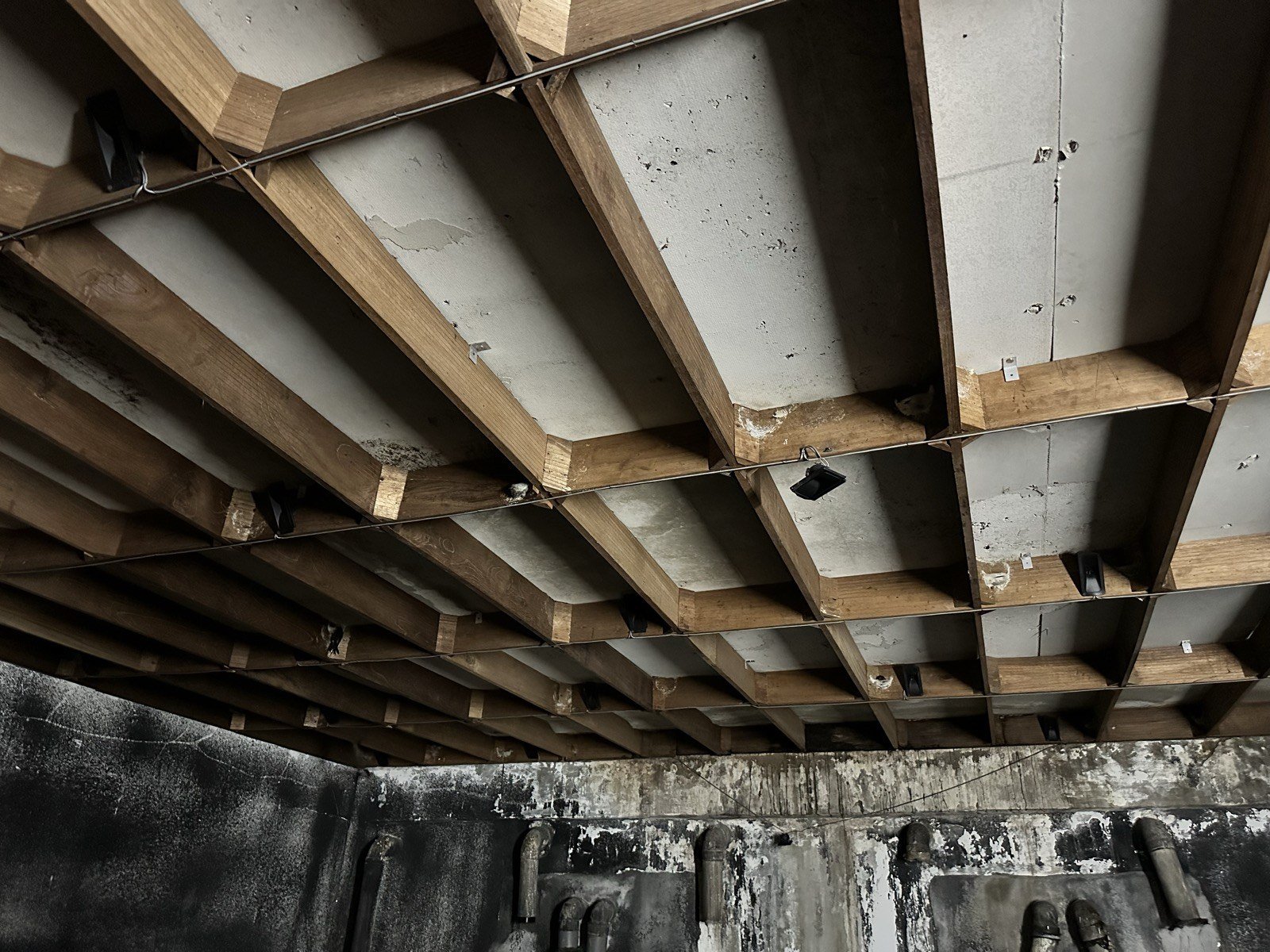
You think there is a smell in your house that stops the swiftlets from staying.
So you go looking for a list. Which smells do swiftlets hate? Smell one of them, and you know what is wrong.
Honestly, I cannot give you that list. Not because I am hiding it, but because a list cannot answer this. What I can do is show you how to check from the other direction.
What you are seeing
Usually it is one of these.
Birds come in, fly around, and do not stay. One area of planks stays empty while the next area has nests. Or you remember clearly that the birds started dropping after you did one particular thing.
Then you go up and smell. Sometimes it smells of chemicals, sometimes of mould, sometimes of nothing at all.
Mistake one: trusting your own nose
The first time people open a bottle of our Nest Boosting Hormone (NBH), a hormone, pheromone and aroma blend, they pull a face. It stinks. But swiftlets like it. Swiftlets like dark, damp places too, and people do not. What smells good to you and what smells good to a swiftlet are not the same thing.
Droppings are the same. To you they stink. To a swiftlet, that is the real smell of birds. Kiew Meng Kui, my co-teacher on the Swiftlet Signature Masterclass (SSM), always says that natural smell is something you cannot buy and cannot mix.
It works the other way too. You spray a chemical, it dries, you cannot smell it any more. That does not mean it is gone. It may still be inside the planks.
So the test is not whether it smells bad to you. It is where the smell came from.
Mistake two: covering a bad smell with a nicer one
This is what most people do, and it does the most damage.
A nesting plank is not a floor. What you spray on it stays in the wood. You cannot wash it back out, and in bad cases the plank has to be replaced. You wanted to cover one smell, so you added one more thing to the plank. The first one did not leave. Now you have two. What you put in to fix one problem can stay longer than the problem did.
EM is itself a microbe product, and on a plank it leaves a sugary base that over time reaches the bottom of the nest and turns the nest base yellow. Wood vinegar does kill mould, but it leaves wood tar behind. Neither belongs on a plank. Even our own hormone, I tell people to keep it off the planks and spray only the walls and floor. That article is here: Should you spray hormone on nesting planks.
How to check: look for the source, not the smell
1. Sit down and write your own list.
What have you put into this house over the years? Pesticides, plank cleaners, EM, wood vinegar, scents, home recipes someone recommended. Where did you spray them? Planks, walls, floor? Roughly when?
No climbing, no money. Many owners spot it halfway down the list.
2. Hold that list against the empty planks.
Is the area the birds refuse to use the same area you sprayed the most? Did the birds there start dropping after you sprayed?
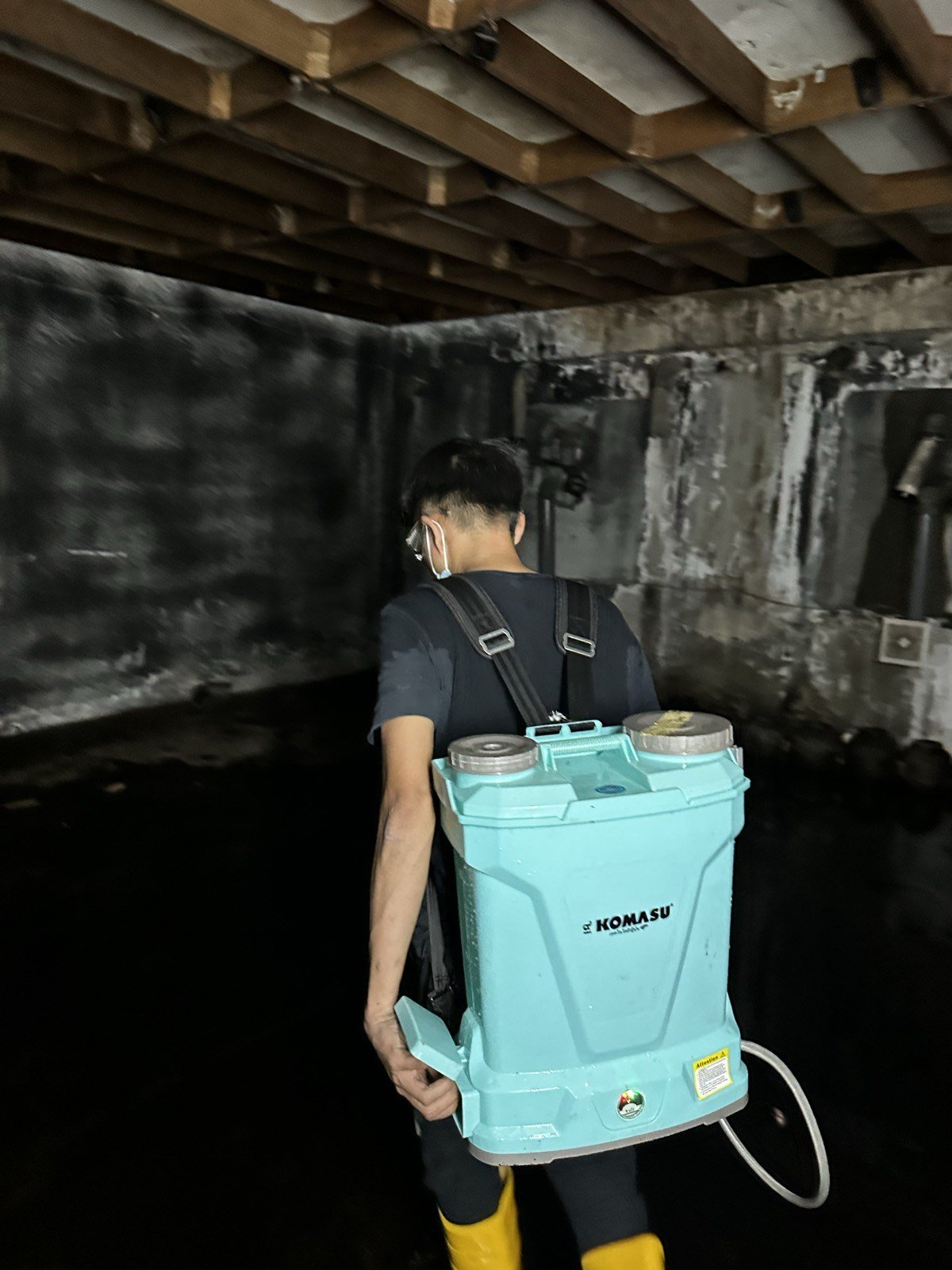
3. Wipe the planks with two wet cloths.
One cloth on a plank that has always been empty, one on a plank with nests. Put the two cloths side by side. You will see the difference straight away.
4. Look for mould, and look at the droppings on the floor.
Mould on a plank does not go away by itself, and its smell stays too. Mould is usually bad by the time you can see it. Not seeing it does not mean it is not there.
When droppings pile up and stay damp, insects grow in them and then climb up to the planks. The rotten smell you notice often comes from below.
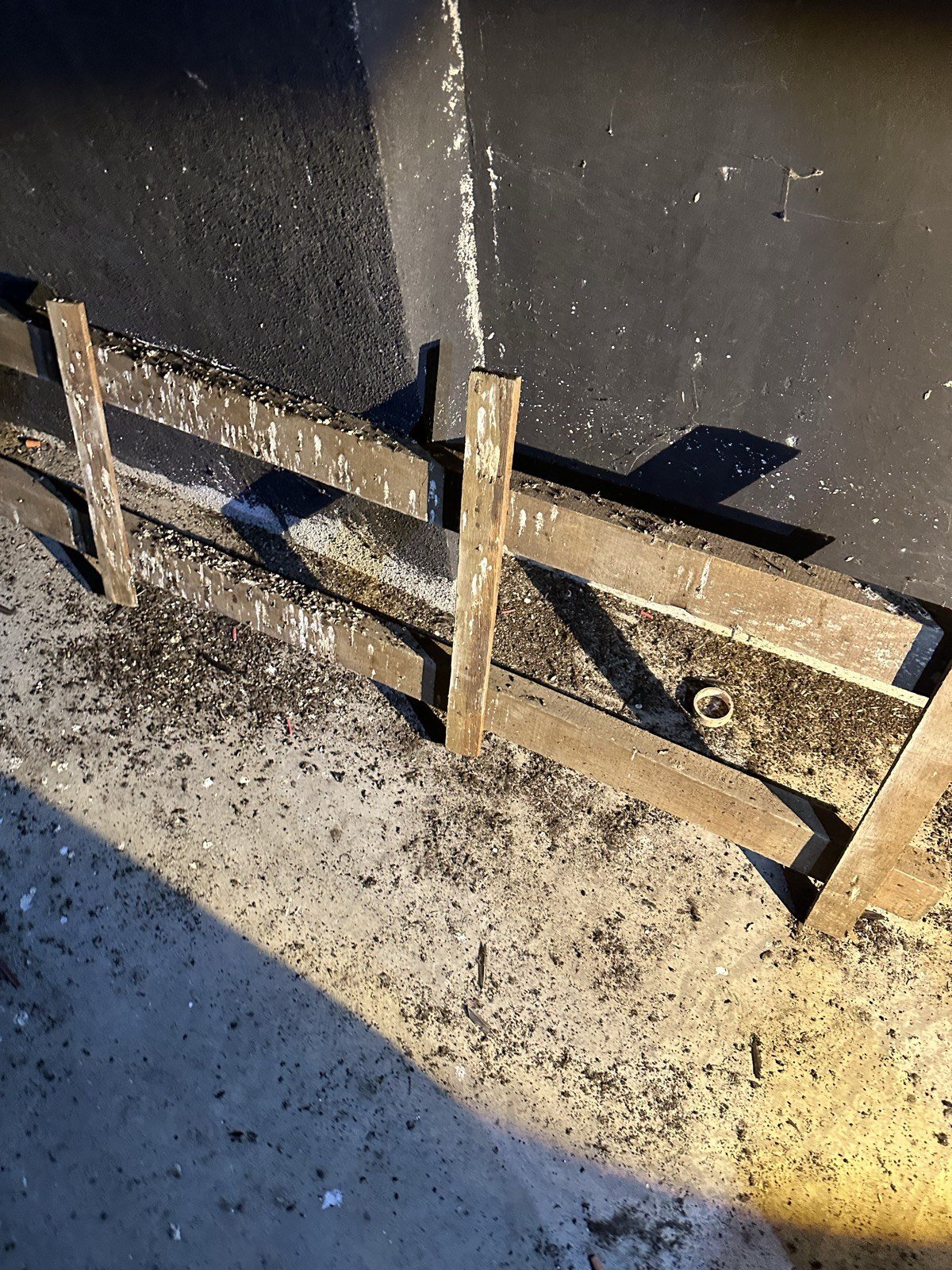
5. Caught a predator, or pulled something out? You are not done.
The owl is gone, but its droppings still smell. The old planks or old fittings are gone, but their smell is still there. Removing something without washing is the same as not removing it. How to deal with this part, we decide after seeing your photos.
6. The sound comes last.
I took the detour of changing sounds myself. When the birds feel wrong, sound is the first thing you blame. But if it is a smell on the planks pushing them away, you can change sounds as often as you like. The birds still come in and smell the same planks.
One more thing: do not rush to wash or remove anything where birds already live. Start with the spots nobody lives in.
When equipment comes in
Only when you have found that the planks really are dirty or mouldy do you talk about what to treat them with.
For planks we use our Meranti+ Nesting Plank Enhancer. It started with the mouldy planks in my father’s swiftlet house. Nobody had an answer back then, so we found something for mould and had a swiftlet house version made. You spray it from below, no climbing, and it deals with mould and old smells. Once diluted it has basically no smell and will not scare the birds off. Timing matters: spray in the morning and finish before noon, so the planks are dry before the birds come home.
If you want to do pesticide on the same day, the order matters. Spray Meranti+ on the planks first, wait a while, then spray the pesticide on the walls and the floor. Pesticide does not go on the planks.
Check what went in before you decide what to add or remove. That is the whole point of the MDK Swiftlet House Diagnosis Method: diagnosis first, prescription second.
Your next step
Go in one day during daylight and photograph the plank area you sprayed the most, up close; the area no bird has ever used; the biggest pile of droppings on the floor. Then line up the bottles of every chemical and product you have used over the years and take one photo of them together. Last, stand on the floor and record the sound in the house for a little while.
Send it all to us on WhatsApp. I will look at whether something is left in the planks, whether it is mould, whether it is the droppings below, or whether this time it really is the sound. It is free, and nothing needs to be bought first. After we look, if we need more information, we will ask you. You do not need to prepare everything at once.