

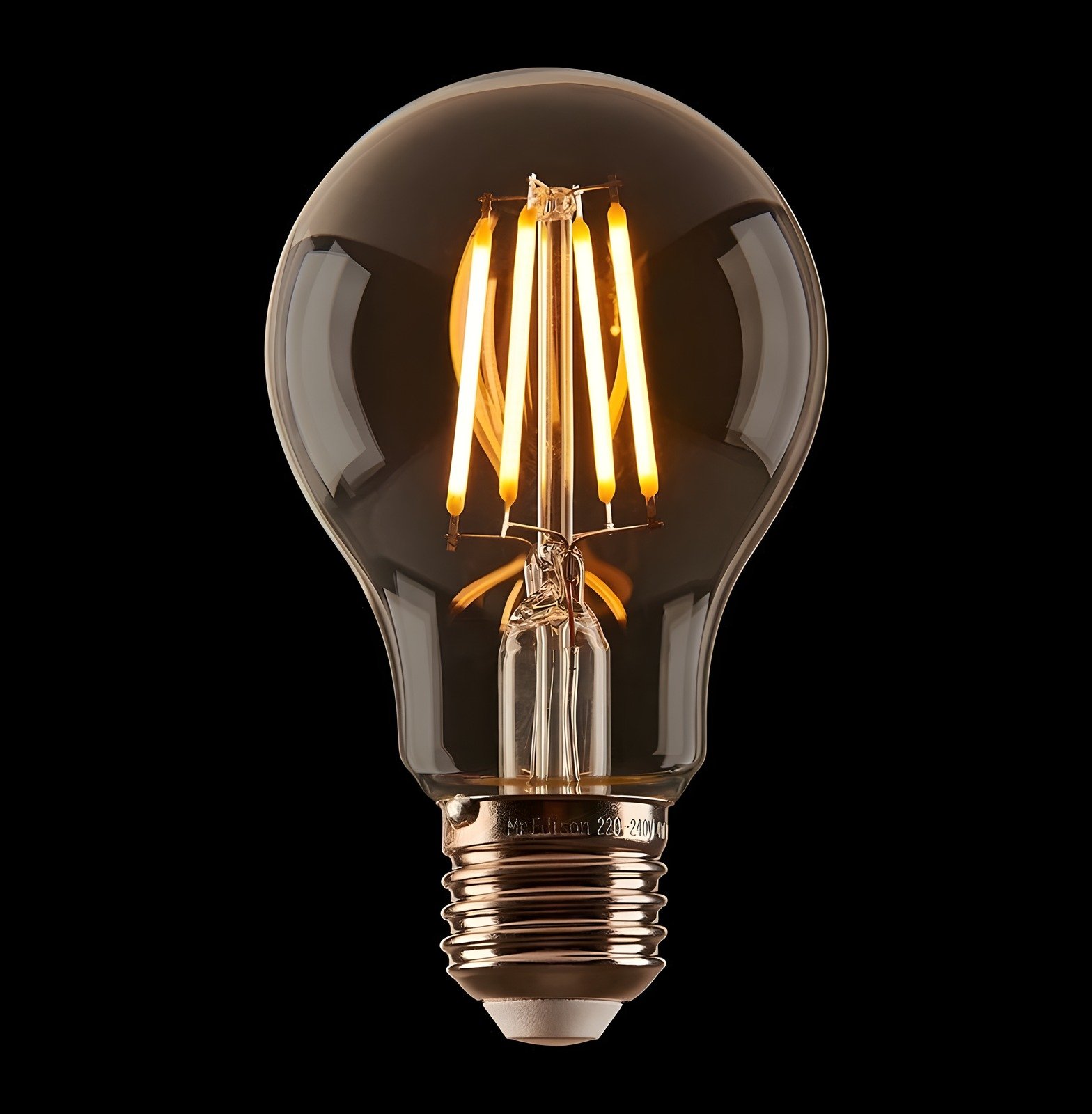
Let me start with the time I got it wrong myself.
Back in 2021 a lot of people were asking me the same thing. Should I put a light at the entrance hole? What does a light actually help with?
I wrote an answer then. Several points, and one of them closed like this:
So, should you install it? Hello, a bulb doesn’t cost much, the upside beats the downside; if you don’t mind the trouble, go ahead and install it.
That last part, “go ahead and install it”, is what I’m crossing out today.
There’s nothing wrong with the bulb. The problem was my own understanding at the time, and the layer of cost I left out. This article is me putting that layer back in.
First, what those owners were actually defending against
Most of the people asking weren’t trying to help the birds see. They wanted to keep owls and bats out.
The reasoning feels obvious. Predators avoid light, so put a bright lamp at the entrance hole and it’ll stay away.
Does it work?
Not much.
For the first few days it might really stay away. If you walk in during those days, you’ll be convinced you’ve solved it.
A week later, it’s back inside.
Why it doesn’t hold
There’s a line in that 2021 piece of mine that’s still correct today:
Most predators only stop caring about your little light when they’re hungry.
A hungry predator goes in anyway. One lamp doesn’t change that.
Unless your light is properly blinding, or happens to be a colour that particular predator dislikes. Most birds are wary of blue light, but that depends on the species, and not every predator reacts the same way.
So are you going to turn your entrance hole into a searchlight to stop one owl?
Don’t answer yet. The cost is in the next section.
The other two reasons, while we’re here
Besides predators, people give me two more reasons.
One is that a light brings in new birds. It doesn’t help much. At best it makes the route home a little easier for the birds already living with you, and now and then somebody else’s bird can’t find its own house and drops in. Expecting a bulb to call new birds in is asking too much of it.
The other is that the light attracts insects, so you’re feeding them at the same time. That might help a little. But a little is all it is, and it doesn’t cover what you’re about to pay.
Where most people read it wrong: thinking the worst case is a wasted bulb
This is the part I left out in 2021, and it’s the whole point of this article.
The sum most people do in their head is this. If it doesn’t work, I’ve wasted a bit of money, and bulbs are cheap anyway.
No. The worst case is that you lock your own birds outside.
To see why, look at how a swiftlet comes home.
Its eyesight drops badly once the light goes, and it isn’t nocturnal. (We mean the swiftlet that makes the edible nest. The other swiftlets people group it with are not the same bird.) That’s why it heads back before the sky is fully dark. It can’t fly well in blackness.
Now put your lamp into that picture.
The wrong moment is the stretch before the birds are home.
That very bright lamp is burning at the entrance hole. A bird comes back from outside and its eyes adjust to that bright patch. Then it has to fly inward, and inward is dark.
The inside of a swiftlet house is already dark at night. Hang a lamp that bright at the mouth of it and you’ve made the inside read as even blacker.
A bird that’s new here arrives at the hole, and in front of it is a wall of black it can’t see into. It won’t fly in. It clings at the entrance and stays out there.
Next morning you walk in and say the same sentence to yourself. They came, and again nobody stayed.
You’ll start doubting the sound. The aroma. The location. You won’t doubt the lamp you screwed on yourself to protect them.
The light isn’t frightening the bird off. It’s making the inside look blacker.
So should you install one or not
I’m not going to answer that here.
That isn’t me holding something back. The question has no universal answer, and you’ve just finished reading what a wrong one costs.
Install or don’t, how bright, when it comes on, where it sits, all of that changes house to house. The same setup carried next door can do the exact opposite. Put it in the wrong spot and you’re worse off than if you’d never touched it.
Five years ago I handed out a universal answer. That was my mistake. I’m not making it twice.
One more thing while I’m here. We don’t sell bulbs. I wrote that same line in 2021. None of this has ever had anything to do with selling you something.
When equipment finally comes into it
Until you know where the light in your house actually travels, a lamp, a tweeter, an aroma, all of it is luck.
Guess right and good for you. Guess wrong and you end up like the people who installed those lights. Money spent, hardware on the wall, and the blame handed to something else.
The order in the MDK Swiftlet House Diagnosis Method exists to shut that guessing down. Read the house first, then talk about whether the thing in your hand should move at all.
Your next step
If you’ve already got a light up, or you’re weighing one right now, don’t touch anything yet. Take three photos for me:
- One from outside, facing the entrance hole
- One from just inside the entrance, shooting into the house
- One from the far end of the plank zone, turned back toward the entrance
If you have lights, shoot them the way you normally run them. Don’t switch them off for the photo.
Send all three to our inbox. I’ll tell you whether that lamp is helping you or blocking you. Looking at photos costs nothing, and you don’t need to climb up and remove anything first.
(Two more on the same subject: Does a swiftlet house need to be completely dark? and Are swiftlets afraid of light?)