

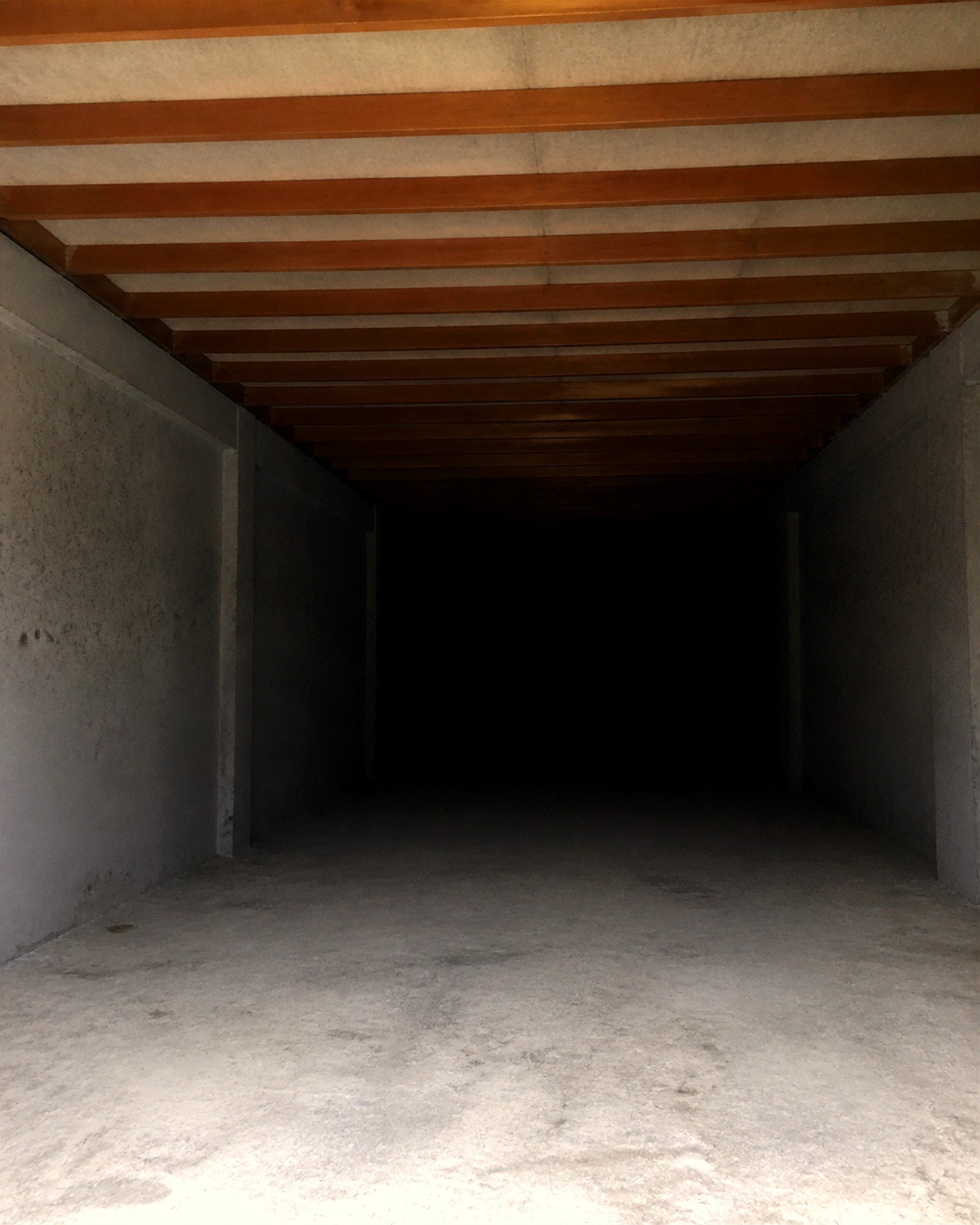
A few years in the house, and the nest count is not moving.
You’ve tried what you could think of. Changed the sound. Sprayed the aroma. Blocked the predators.
There’s one thing you probably never questioned, because this is what the whole industry teaches. The house must be dark. As dark as you can make it. Dark enough that you can’t see your own hand.
Let me say something you may not want to hear. That is the biggest misconception in this business.
Don’t get angry with me yet. Let’s look at how the bird actually flies.
A swiftlet does echolocate. But it is not a bat.
I’m not saying swiftlets can’t echolocate. They can. You hear it when they fly, that dek dek dek sound.
But remember one thing. It is not a bat.
A bat’s system is fine work. Much higher frequency, and the picture that comes back is detailed. Detailed enough to catch a small insect in mid air. A swiftlet only has those few low double clicks. The picture that comes back is rough.
How rough? Scientists have tested it. They put swiftlets in a completely dark room and strung wires across for the birds to avoid.
- The 6.3 mm wire, they dodged it well
- The 3.0 mm wire, they started to struggle
- The 1.5 mm wire, about half of them flew straight into it
A 1.5 mm wire is about as thick as a toothpick. The bird has a fifty fifty chance of hitting it.
That’s where its echolocation ends. Good enough to keep it off the wall. Not good enough to find its home.
Now think about the inside of your own house. One whole floor. Hundreds of nesting planks. Same shape, same spacing, same wood.
Using echolocation, can it tell which slot is its own?
No. The picture is too rough. To its ears, hundreds of slots sound the same.
So what does it use? Its eyes.
Watch them. They come back before the sky goes fully dark. Why not wait until night? Because they need to see. They need to find their own slot while there’s still light to find it by.
Where most people read it wrong
This part is worth reading twice, because this is where most owners make the wrong decision.
When birds don’t come in, the first reaction is almost always the same. Not safe enough. So you seal the windows. Patch the gaps. Make the entrance hole smaller. Block whatever can be blocked. Then you walk in, and it’s dark enough that you can’t see your hand, and you feel like you’ve done something right.
The problem is you’re thinking about this like a human. What a human fears is being seen. So for us, dark means safe.
A swiftlet isn’t us. For a bird trying to get home, total darkness is not safety. It’s being asked to find its own slot, on a whole floor of identical slots, with its eyes shut.
It can’t find it. So it circles once and leaves.
From outside, what you see is birds coming but not staying. On the CCTV, what you see is plenty of activity and no new nests.
I wrote about a house on my blog back in 2014. Half a year, only 5 nests. The owner opened a hole in the middle of the house himself and let light in. Half a year later, more than 60.
Reading this, you’re probably already thinking about where to open a hole.
Stop there. I’m not telling you to go and open a hole, and I’m definitely not telling you to install lights.
Lights are a dangerous thing to guess at. Put one in the wrong place and it’s worse than having none. Light landing on the nesting plank area, and the birds won’t build there at all. You bring light in and you might save the house, or you might wreck the one zone they were already willing to live in.
Two houses, same problem on paper. One of them needs light blocked. The other needs light brought in. Standing inside your own house, you can’t see which one you have.
So don’t start changing things yet.
Two things to do today, and they cost you nothing
Go in while the sun is still up. No tools. Don’t measure anything.
First. Stand just inside the entrance hole and look inward.
How far does the light reach? Three feet? Five feet? Or does it stop dead right there, with everything past it black?
Second. Walk to the area with the most nesting planks, and look back toward the entrance hole.
Can you still see light from there? Nothing at all, or is there a faint glow?
That’s it. Two things.
Why those two? Because those are exactly the two things a bird has to do. First get in through the entrance hole. Then find its own slot in the plank area. What you’re doing is walking its daily route, from its point of view.
When equipment finally comes into it
Once you’ve looked at those two things, you’re holding the first real piece of evidence about your house.
Before that, talking about tweeters, about aroma, about machines, is guessing.
A house where the entrance doesn’t flow, where the light dies the moment it gets inside, won’t be fixed by anything you install in it. The birds can’t get in, or they get in and can’t place themselves. The best sound in the world is still just calling out at a house they won’t live in.
This is why the MDK Swiftlet House Diagnosis Method puts diagnosis first, prescription second. Look at where this house is stuck, then talk about what to move.
Anyone who tells you what to buy and what to install before looking at your house isn’t doing you a favour.
Your next step
Take two photos.
- Standing just inside the entrance hole, shoot inward
- Walk to the plank area, turn around, shoot back toward the entrance hole
Send them to our inbox and I’ll have a look for you. Free. You don’t need to buy anything first, and you don’t need to install anything first.
Whether your house needs light blocked or light brought in, nobody can tell you until they’ve seen it.