

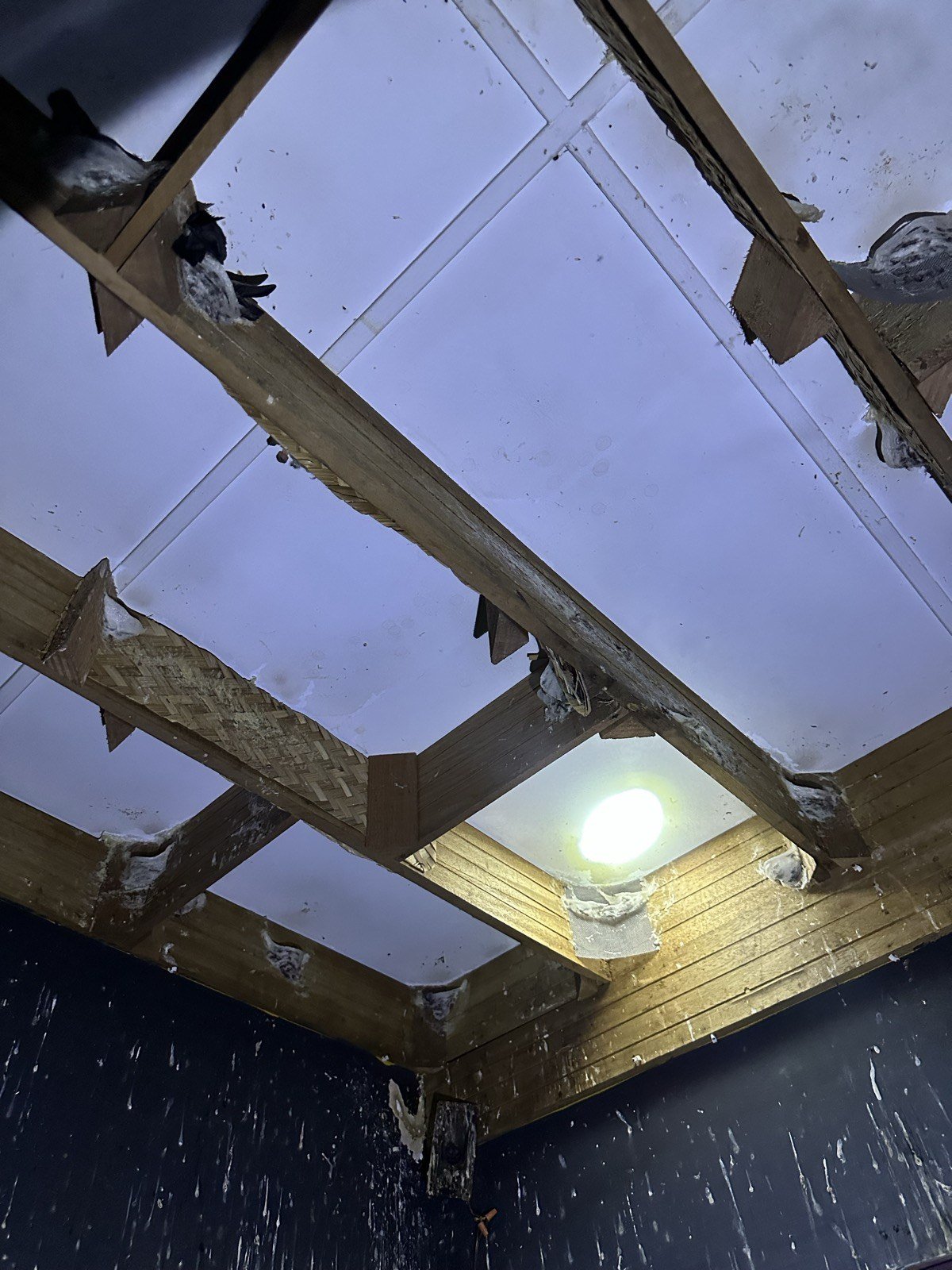
New birds have come in. You keep counting the nests, and it is still the same number. You cannot tell if they are getting ready, or deciding whether to leave.
The nest is the last thing you get to see. Before it appears, the birds have already said a lot.
What you are waiting for
On CCTV you can see new birds flying around inside, and fresh droppings are starting to show on the floor. There is only one question in your head: will this group stay?
So every day you shine a torch on the planks, looking for a small white spot. Nothing. A few more days, still nothing, and you start thinking you should change something.
The usual mistakes
First mistake: lots of birds, so it must be close.
At night the CCTV shows birds everywhere and many owners relax. But many of them are old birds. Kiew Meng Kui, who runs the Swiftlet Signature Masterclass (SSM) together with me, keeps telling students to judge by the new birds, because old birds do not care about much. Old birds in your house are there because of what you got right years ago. Where the new birds hang is what tells you about your house today.
Second mistake: touching things before the nest appears.
A few days with no nest, and people change the sound, add tweeters, or start knocking and replacing planks. Swiftlets have a temper. Sudden changes upset them. One round of knocking and the group that was testing your house may just leave. You were waiting for an answer, and you scared the answer away yourself.
Changing the sound again and again is like taking fever pills every time the fever comes back. The fever drops for a while, but whatever caused it is still there.
Four things to watch before the nest shows
1. Droppings: watch the same spot and see how it changes
What the different kinds of droppings mean is covered in Swiftlets sleep in your house every night but never build nests. This time, do not check once. Keep your eye on the same spot and see how it changes.
Pick a few spots. Stand in the same place each time and shoot from the same angle, a few days apart, then put the photos side by side. Compare photos, not memories.
If the droppings under one spot slowly build up, and then a little white nest base appears on the plank directly above, that pair has started pairing up and is getting ready to build. If a spot only ever has a few droppings and after a while nothing new lands there, that bird has probably gone.
2. Where on the planks they hang
When you check the CCTV at night, do not just count the birds. Look at where they hang.
The first few days after new birds arrive are when they test your house. Whether they go up onto the planks, you will see in those days. After sunrise you often see them circling inside, landing on a plank, dropping off, landing again. A whole group chasing and playing together inside is a good sign. Birds scattered around the room, each on its own and no longer playing, usually do not stay.
Then check whether they follow the tweeters. The job of the internal sound is to keep birds, not to call them in. When the internal sound is right, the birds settle around the tweeter points. Whichever side the tweeter is on, that is where they hang, and the space between two points stays empty. If where they hang matches where your tweeters are, that is good news.
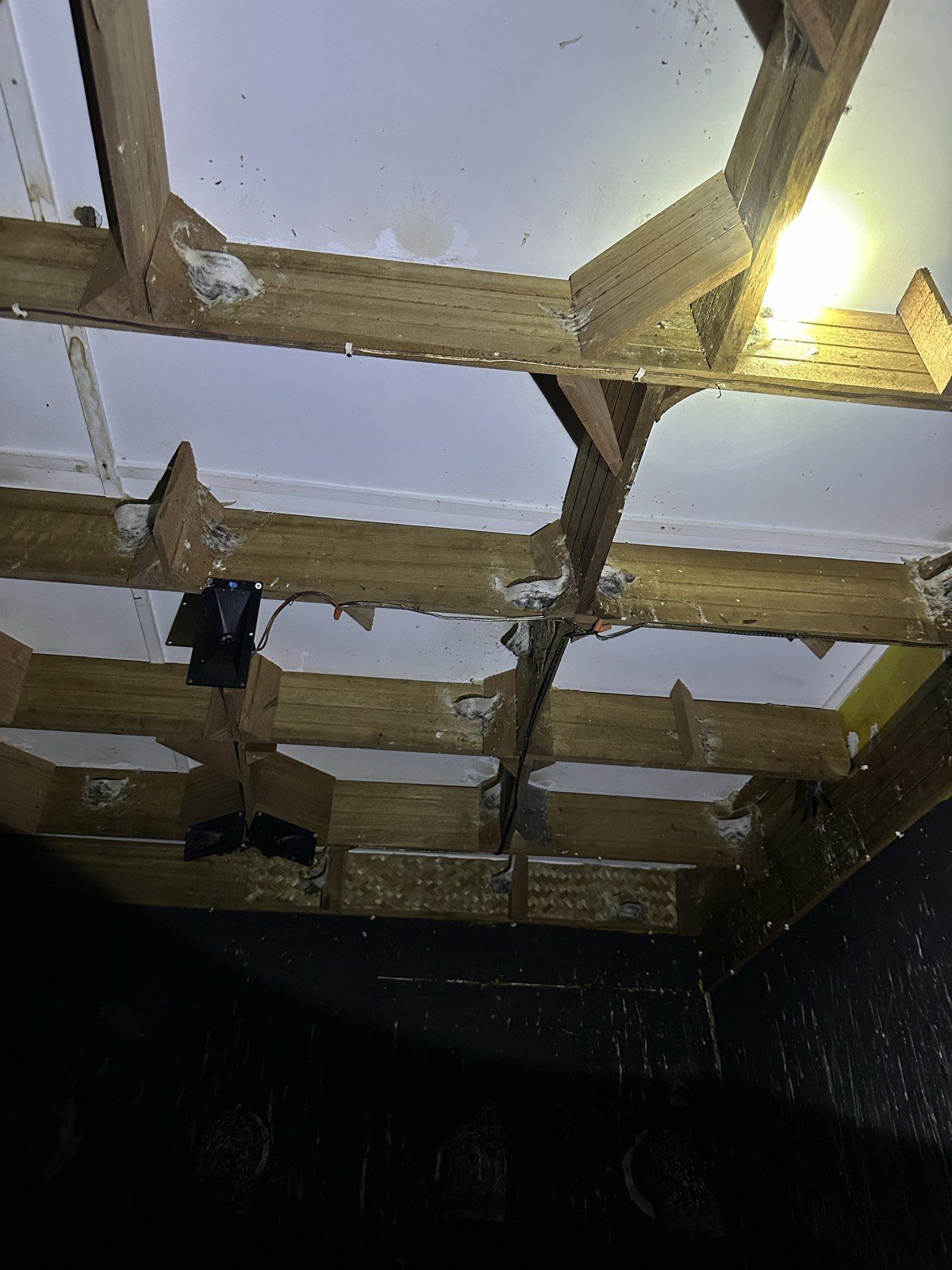
The other way round: if the birds keep avoiding one tweeter, or all the nests are built behind it, that tweeter is pushing them away, not keeping them.
One more thing to read by comparison. If every spot around has birds hanging and building, and one spot stays empty, the birds have probably blacklisted that spot. The whole house is not the problem. That one spot is.
3. Are they hanging on the walls
Birds on the planks and birds on the walls are two different stories.
If birds keep stopping on the walls, and fresh droppings keep appearing there, they are getting stuck on the way and have not reached the planks yet. Pay attention to the wall just inside the entrance hole. Droppings there often mean new birds have trouble getting out, something above is blocking their way.
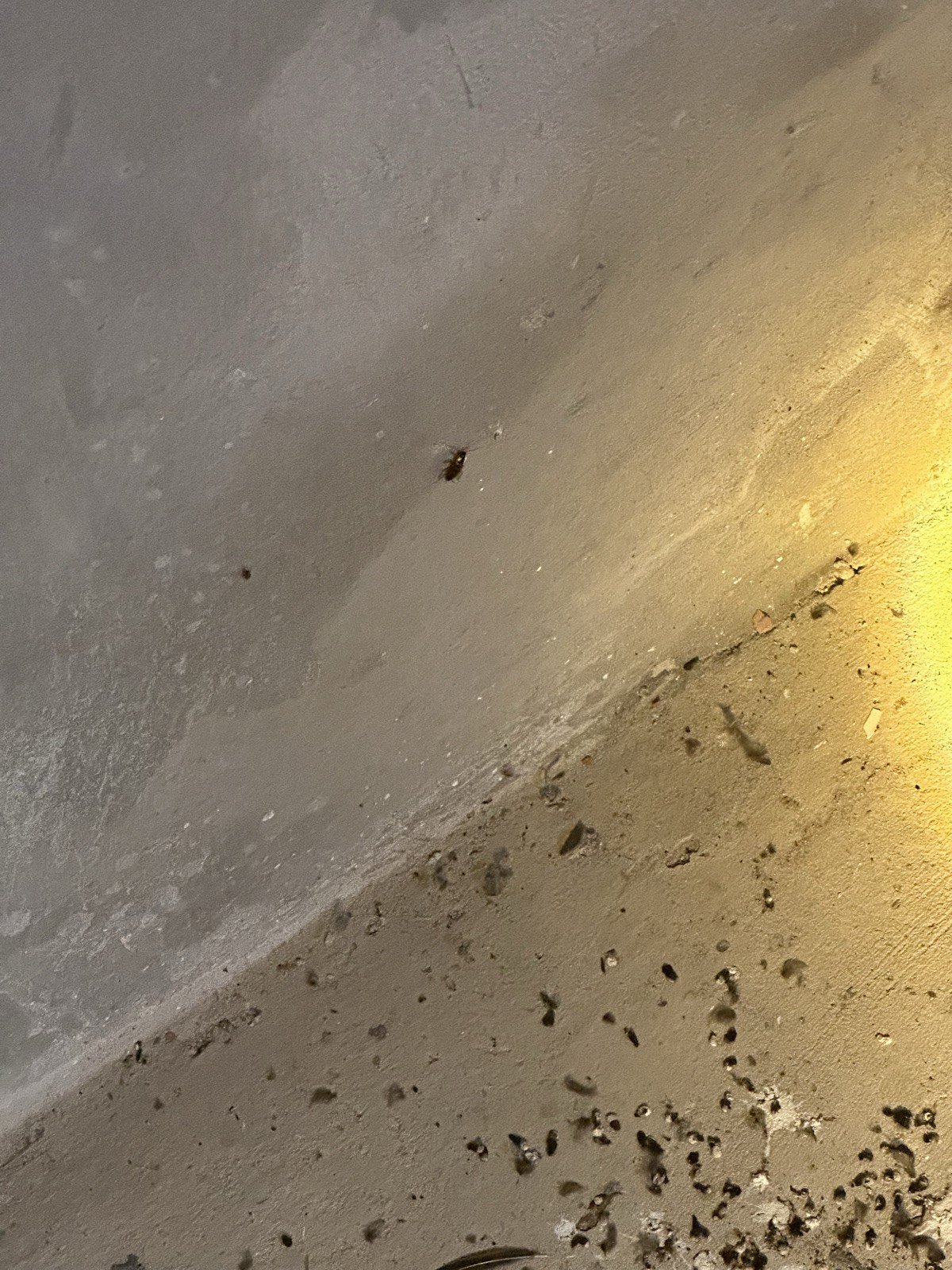
Waiting longer will not fix this one. Clear the way first.
4. If you already have nests: are they all different lengths
If your house already has nests, look at their size. Some just started, some are half done, some already have eggs. When nests are all different lengths like that, new birds keep joining, and the house will keep growing.
If every nest looks about the same, and after harvest you wait for the next round together, new birds are not joining anymore. Then it is not about waiting. Something in the house needs a look.
While you watch, do not touch anything
Where birds already hang, or a nest base has started, do not knock, do not replace, and do not wash.
If you must change something, start where there are no birds, one thing at a time, then come back later to see how the birds react. Change several things at once and you will never know which one helped if birds come, or which one hurt if they leave.
If what you see is mostly bad signs, check in this order: the entrance hole and the flight path first, then the planks, and the sound last.
When equipment comes in
If the signs are right and it is just slow, do not buy anything. Give it time.
If what you see points to the planks, dirty, mouldy, too much old nest base left behind, then it is time to clean them. For that we use our own Meranti+ Nesting Plank Enhancer. We made it to take mould and old smells off the planks.
For one small step to see how the birds respond, there is our Nest Boosting Hormone (NBH), a hormone, pheromone and aroma blend. Walls and floor only, never the planks. The reason is in Should you spray hormone on nesting planks.
This is what the MDK Swiftlet House Diagnosis Method is about: first understand what the birds are telling you, then decide what to touch. Diagnosis first, prescription second.
Your next step
Over the next few days, go up in the daytime after the birds have flown out, and take these photos: the droppings spots you are watching, together with the plank right above each one; the area where the most birds hang at night, with the nearby tweeters in the frame; and if you already have nests, one photo that shows their different lengths. Then stand on the floor and record a short clip of the sound inside the house.
Send them to us on WhatsApp and I will help you see whether this group is getting ready or stuck somewhere. There is no charge and you do not need to buy anything first. After we look, if we need more information, we will ask you. You do not need to prepare everything at once.