

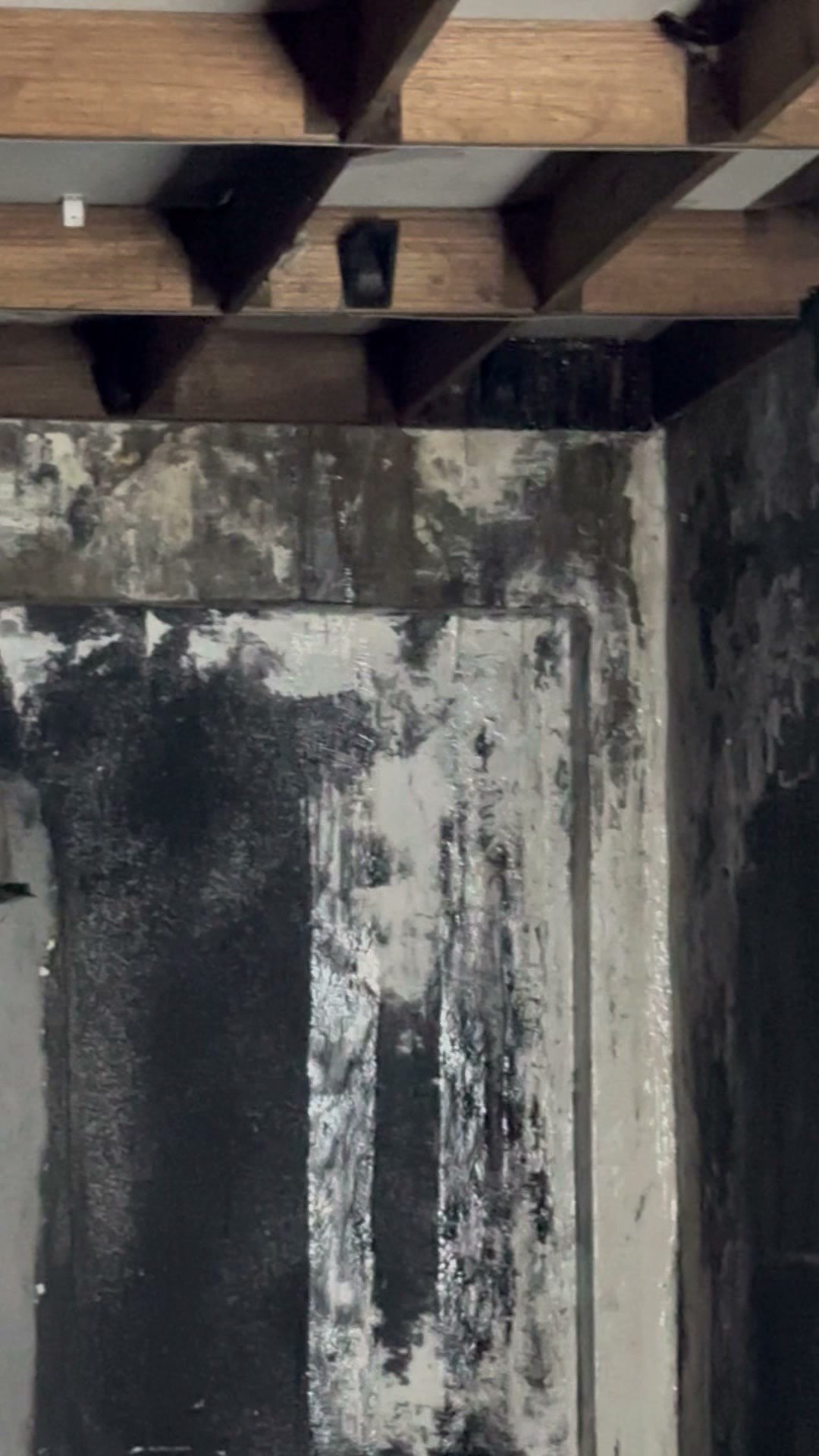
You are building a swiftlet house out in the countryside. The brick walls are up. Do you plaster them, or leave them as they are?
Some people leave them. The bricks stay bare, every block showing.
Will swiftlets still move in? Yes. If you can manage the rest of what goes on inside the house, birds will still live there.
The trouble comes later, and it all circles back to one thing: water.
What happens in a house with bare brick walls
1. Moisture becomes hard to control.
A bare brick surface lets the whole wall soak up water.
If you built double brick walls, the water can get stuck between the two layers and come out slowly. The result is a house that stays too damp for a long time.
With single brick walls and no plaster, rain seeps slowly into the house.
2. The nests stay dirty, whatever you do.
However many times you spray for pests, however you treat the nesting planks, most of the nests are still dirty, with moss (lumut) on them.
I am not saying a swiftlet house should be as dry as possible. Steady moisture is what gives you big, good looking nests. What we want is steady.
3. The house gets too cold.
The wall lets air through and it is damp, so the inside gets too cold. Swiftlets do not like extremes, and they are afraid of cold.
4. Predators climb more easily.
An unplastered surface is easier for snakes and other predators to climb. For snakes, see Snake in your swiftlet house? What to do.
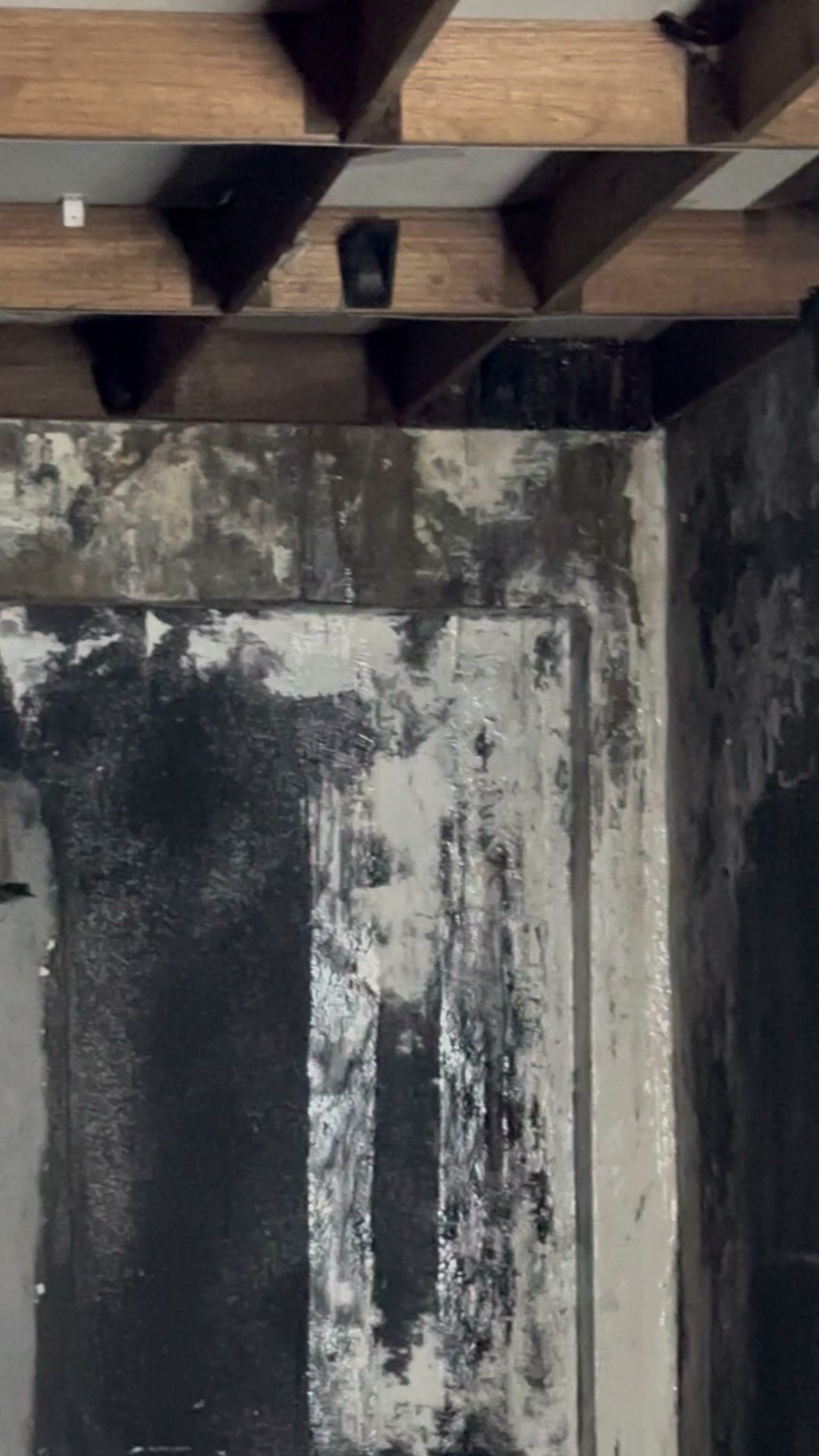
Three reasons for skipping plaster, and what each one costs
Why do some houses go without plaster? I asked the owners, and it came down to three reasons.
1. To save money.
You do save on the plaster. Saving money is fine. It just makes the moisture inside harder to control, and the damp and dirty nests above come from there.
2. To make it look like a natural cave.
There is no need for a cave look. A swiftlet house only has to meet what swiftlets need. What you have to control is the moisture inside.
3. To let the wall breathe.
When the wall breathes, what comes through is wind, and damp. The house ends up damp and cold, and you are back to the problems above.
Two things that are easy to misread
1. Dirty nests, and you keep looking for the answer in the spray.
You have sprayed, you have treated the planks, and the nests are still dirty. That is the time to ask where the moisture in the house is coming from. If the walls are soaking up water, another spray will not change that.
2. The mould remover clearly works.
You use a mould remover, the nests are fine for a few months, and then most of them get dirty again. That pattern is a signal in itself: check whether your moisture control is the problem.
Your mister is not the only source of water inside. If you have had a leak or a flood, how to check afterwards is in Swiftlet house leaked or flooded? What to check afterwards.
How to check
For the steps that take you inside, go in during the day, after the swiftlets have flown out.
1. Look at the walls.
Is the outside wall plastered? Can you see the individual bricks? Inside, is the wall surface smooth, or rough and grainy?
2. Check what bricks you used.
Each type behaves differently. Red brick holds up to heat and absorbs heat well. Hollow brick lets air through more easily. Lightweight brick soaks up a lot of water, so it does not suit swiftlet house walls, especially single brick walls.
While you are at it, note whether your house is single brick or double brick. Once, within a few days, at least five farmers came to me with houses that had run for years and still had no swiftlets. Looking into them, they had one thing in common: single brick walls.
The way the bricks are built affects heat, and it also affects how warmth is held and the temperature of the air moving through. What a swiftlet house wants is a steady temperature, and cool alone does not give you that.
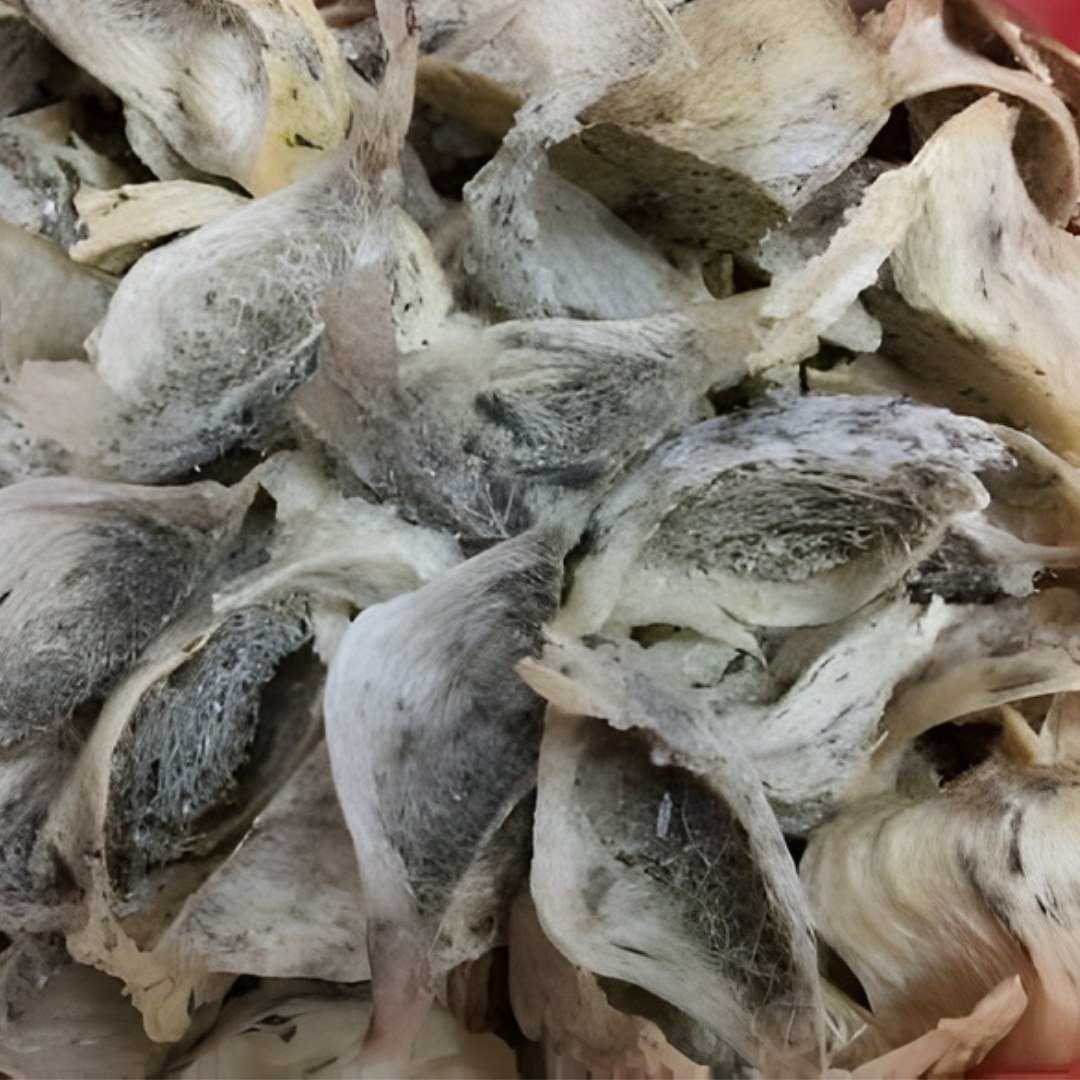
3. Look at the nests when you harvest.
If most of the nests are dirty with lumut, even after spraying and treating the planks, put moisture near the top of your list.
4. Think back to your last mould treatment.
How long did the nests stay clean? If they went back after a few months, look at moisture control first.
5. Watch the planks and nests after the rainy season.
After the rains, planks start to grow mould. I wrote about that stretch in Why does swiftlet production drop after the rainy season?
What to do about the walls
To make the house easier to look after later: if you have not built yet, plaster the walls, and make the surface as smooth as you can. No rough, grainy finish.
If you are planning single brick walls, one more thing: adding a second layer of brick after the house is built is very hard, because the foundation supports it differently.
If your house is already built with bare walls, how to fix it and where to start is something we can only say after seeing the house. That is the order the MDK Swiftlet House Diagnosis Method works in. Diagnosis first, prescription second.
Your next step
Ask yourself one question first: are your nests clean?
If they are not, pick a day, wait until the swiftlets have flown out, and go in to take a few photos: one of the outside wall, one close up of an inside wall, and a few of the nests that look dirty to you.
Send them to us on WhatsApp, and tell us whether your house is single brick or double brick, and whether the outside is plastered. We will look and tell you where to start checking the moisture in your house.