

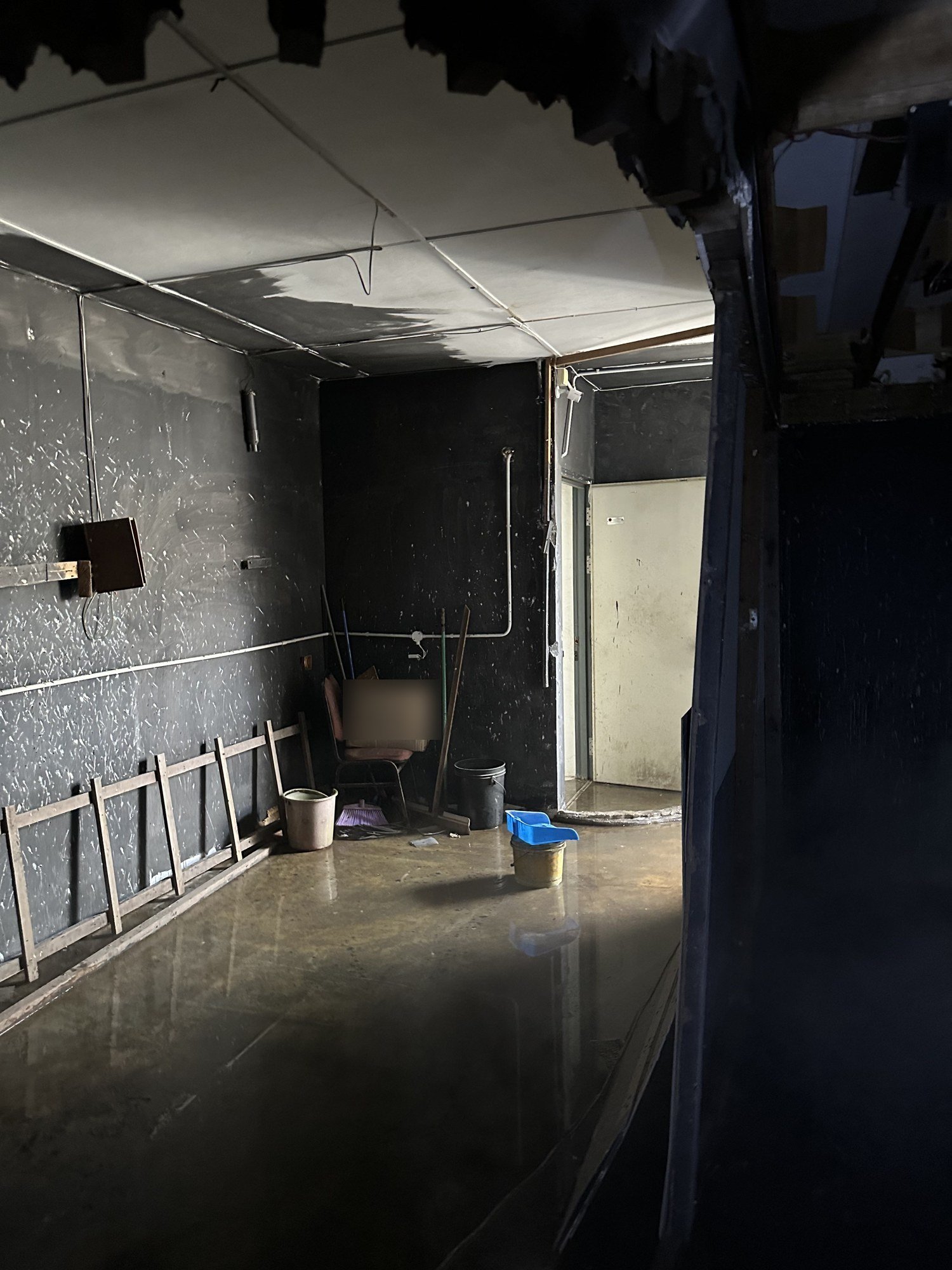
“Put a pool of water inside, and you will get more birds.” I have heard this for years, and people still ask me about it today.
My answer has not changed in more than ten years: I do not encourage it. Here is why, and what to look at if your house already has a pool or water sitting on the floor.
Where the idea came from
More than ten years ago, I heard an older hand in the trade say this: every time it rained and the roof leaked, there were lots of swiftlets playing inside the house. So his advice to owners was simple. Just let water collect inside. Keep the floor wet.
For a few years, quite a lot of people really did turn the floor of their house into a “swimming pool”. The idea was to copy a cave.
Right after the water went in, some owners did feel more birds were coming in to play. Then the regret started. Many of the owners who followed that advice were complaining a year later. The birds had not increased. The leaks and the damp had ruined the planks instead.
The common mistakes
1. “Without a pool, where will the birds drink?”
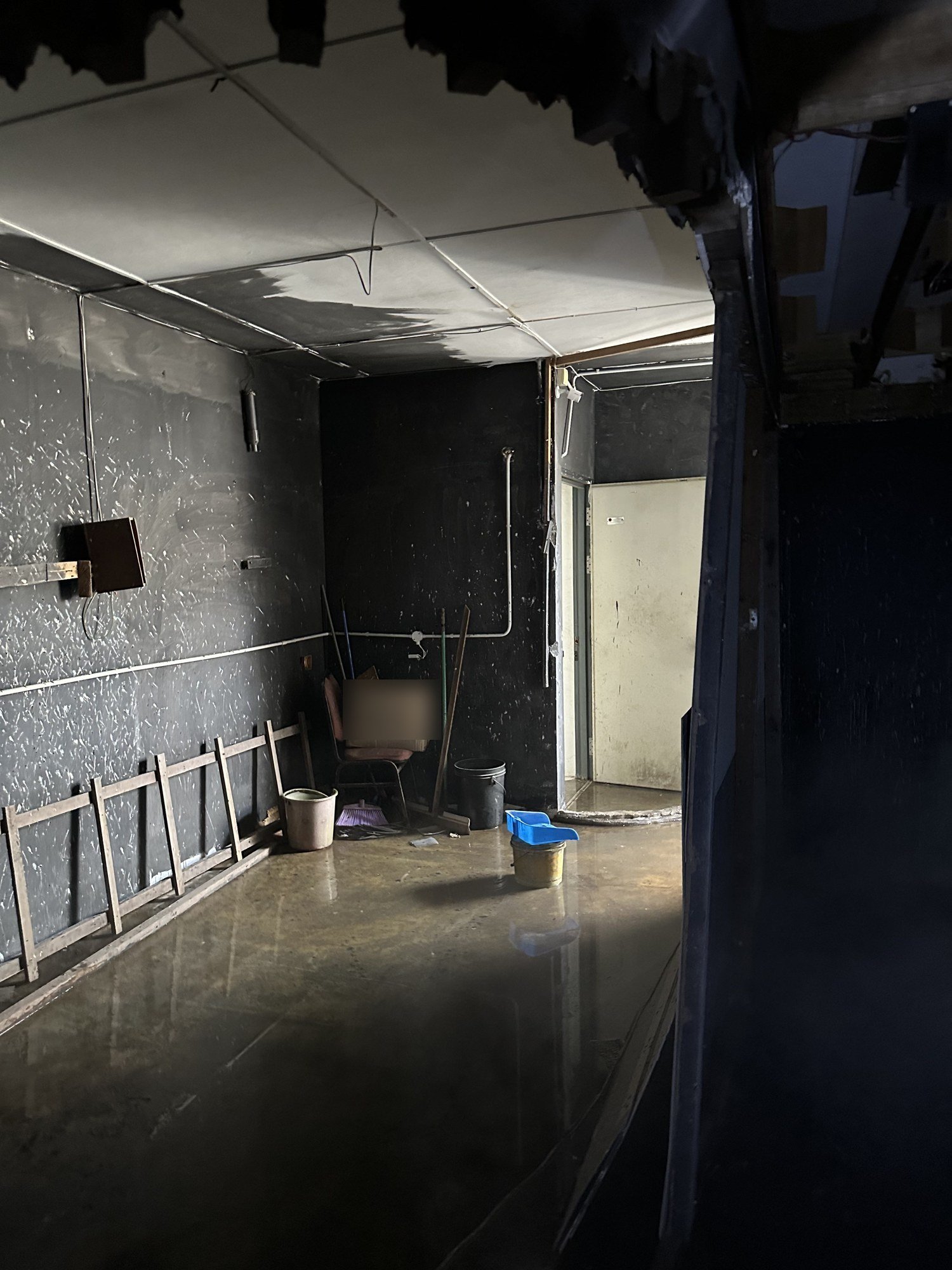
People really do ask this. We once went to look at a house where the pool was leaking. The planks had gone mouldy, there were white mushroom-like growths on them, and the droppings on the floor were wet and sticky. We told the owner to drain the pool first. His first reaction: then where will the birds drink?
Swiftlets do not come down to the floor to hunt insects, and they will not drink from that pool either. The water their body needs comes mainly from the insects they eat. A misting machine is the same story. It adds moisture to the air so the nests come out thicker and bigger. It is not there for the birds to drink.
2. “Don’t swiftlets like it wet?”
Plenty of caves do have water at the bottom. But a cave is very tall, and moisture is heavy, so up where the birds build their nests it is not that damp.
A swiftlet house has one thing a cave does not: the nesting plank. The birds build on the planks, and planks kept too damp go bad and go mouldy. Then the birds leave.
3. “A pool will cool the house down.”
With a pool inside the house, the water vapour absorbs the heat, but if that vapour is not pushed out of the house, the heat stays inside. So nothing really cools. Cooling the inside comes from insulation, not from water.
A pool on the roof is a different case. It does help, as long as the waterproofing is done properly and the water is not too shallow. Too shallow and it does nothing. Thinking about the waterproofing over the long run, I still do not encourage it myself.
4. “Make it look more natural and the birds will like it.”
They will not. Swiftlets do not care whether your house looks nice. What they feel is whether it is comfortable to live in.
What a pool really brings in
To be fair to the pool: does it add some moisture to the house? Yes. The bigger the water surface, the more evaporates. The trouble is the two other things it brings in with it.
The first is leaks. The second is mouldy nesting planks. These are the two things people who built a pool regret most.
A plank that goes badly mouldy turns grey, then black, goes soft, starts to smell, and can even fall off. The nests change colour with it, and some birds stop coming home. That is the far end of the road, of course. A small pool usually will not take you that far.
One more point. Once a plank is wet, you cannot take it down, dry it and put it back up. Maybe some people know how to deal with wet planks, but I believe most owners do not. Planks are supposed to be dried before they go up in the first place. Make the house wet afterwards, and that drying was for nothing.
Even if the planks do not go mouldy, too much damp slows the birds down. In the long rainy stretches you will see them build slowly, or finish a nest and not lay. Too much moisture also stretches out the hatching time, so the whole house grows more slowly.
Humidity needs to be just right. Enough moisture gives you bigger, nicer nests. Past that point, you get the list above. Not enough humidity is a different problem, and I covered it in How to increase humidity in a swiftlet house.
Already have a pool or standing water? Check these first
1. Take photos before you drain anything. One of the pool, one of each spot where water sits on the floor. Once the water is gone, you cannot see these any more.
2. Drain the pool. You can do this today, and it costs nothing.
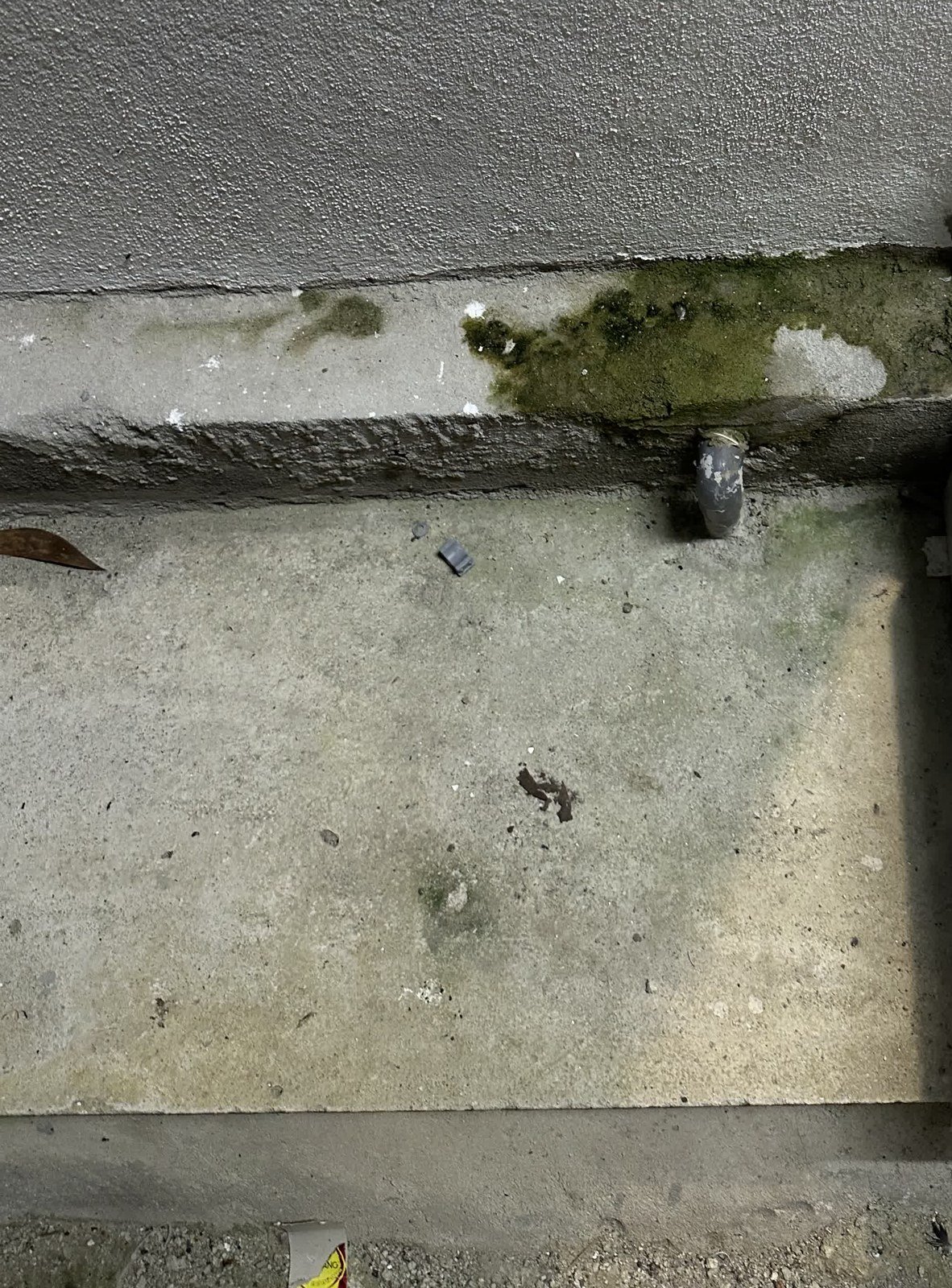
3. Find out where else water is getting in that you never planned for. Besides a pool, the usual sources are a leaking roof, walls letting water seep through, water coming up from the floor, and a house that simply sits in very wet surroundings, like next to a rice field. Go through them one by one and see which ones your house has. We once looked at a house in Cambodia that was far too damp, and it had more than one source. That visit is in the Cambodia article.
4. Look at the planks right above the pool. Compared with planks elsewhere, are they darker? Do they feel softer? How to read a plank is in Why swiftlets nest on the walls and not on the planks.
5. Check whether the damp air has a way out. Draining the water does not help much if the air inside stays still and closed in. How the air inside a house moves is in Swiftlet house ventilation.
Only after those come the next steps. The MDK Swiftlet House Diagnosis Method always runs this way round: diagnosis first, prescription second.
When it is the product’s turn
Once the water sources are sorted out, and the planks really are mouldy, that is when you treat the planks. We use Meranti+ Nesting Plank Enhancer. But if the source is still there, however clean you get the planks, the mould comes back after a while. So do not skip the steps above.
Your next step
During the day, once the birds are out, go in and take the photos first, then drain: one of the pool or standing water, one of the planks right above it, one of the droppings on the floor, and one of every spot you see seeping or leaking. Then let the water out.
Send those to us on WhatsApp and I will help you work out where the damp in this house is coming from, and what to deal with first. Looking costs you nothing. If something is missing, we will tell you. You do not have to get it all ready in one go.