

What frequency should swiftlet sound be? What a lot of farmers want is a ready-made set of settings. Where the bass goes, where the mid goes, where the treble goes. Take it home, turn the knobs to match, done.
I get it. The birds are not coming, and a set of settings at least gives you something to do today.
But we cannot give you that set. Even if we did, it would not help your house. Here is why.
What you are seeing
It usually goes like this. Not many birds, or they come and do not stay. Someone says the problem is the frequency. You find a set of settings, go back, and turn the amplifier knobs to match.
After that, the birds are the same as before.
So you find another set, and turn the knobs again.
Three common mistakes
Mistake one: there is one right setting out there, and copying it is enough.
A set of settings was tuned in someone else’s house. Their layout, their bird count, their situation are all different from yours.
And it is not only other people’s houses. Even settings from another house of your own that is already doing well may be wrong once you move them here. Moving a whole set of settings across without knowing why it was set that way is a real risk.
There is also the machine. Change the amplifier and the same tuning comes out different. I covered that in how to tell if your swiftlet sound is good.
Then there is a deeper problem. A number makes you wrong with confidence. Once you have turned the knobs to the number, you feel settled. You stop going back to listen, and you stop going back to watch the birds. It is the same reason we do not tell you to rely on a thermometer for temperature. The meter reads the spot where it hangs. The birds are somewhere else.
Mistake two: one setting for the outer hole and the inside is enough.
External sound and internal sound do different jobs. I wrote about that split in external sound vs internal sound. Different jobs mean the tuning for the outer hole line and the inside line should be handled separately.
That is why the machine we make for external sound lets you tune the low, mid and high of its two channels separately, one line to the outer hole and one to the inner hole.
Mistake three: frequency is the first thing to fix.
In the order of the MDK Swiftlet House Diagnosis Method, the level line, angle and light of the entrance hole come first. If the birds cannot get in smoothly, airflow and humidity do not count yet, and neither does the sound.
Starting with the frequency, or with a new sound, means starting at step two. If step one is not sorted, the birds stay stuck at the door however finely you tune.
If not a number, what do you check?
One: make sure the birds can get in smoothly. If they cannot, a perfectly tuned frequency will not help. That is mistake three above. How to look at the entrance is in swiftlets circling the entrance hole but not going in.
Two: go in and listen. Go in during the day, after the birds have all flown out. What you are judging is whether the sound at that spot sounds good, whether it breaks up, whether it is too harsh, and whether it bounces back and smears together. No meter measures that. Only your ears do.
One way that costs nothing: take your phone inside and record a short clip at a few different distances from the tweeter, saying the distance out loud as you record. Then listen back outside. Messy or clean, broken or not, smeared or not, your own ears can tell. Distortion, bounce, and sound that comes out too harsh: in any of those three, swiftlets will not build nests and will not stay.
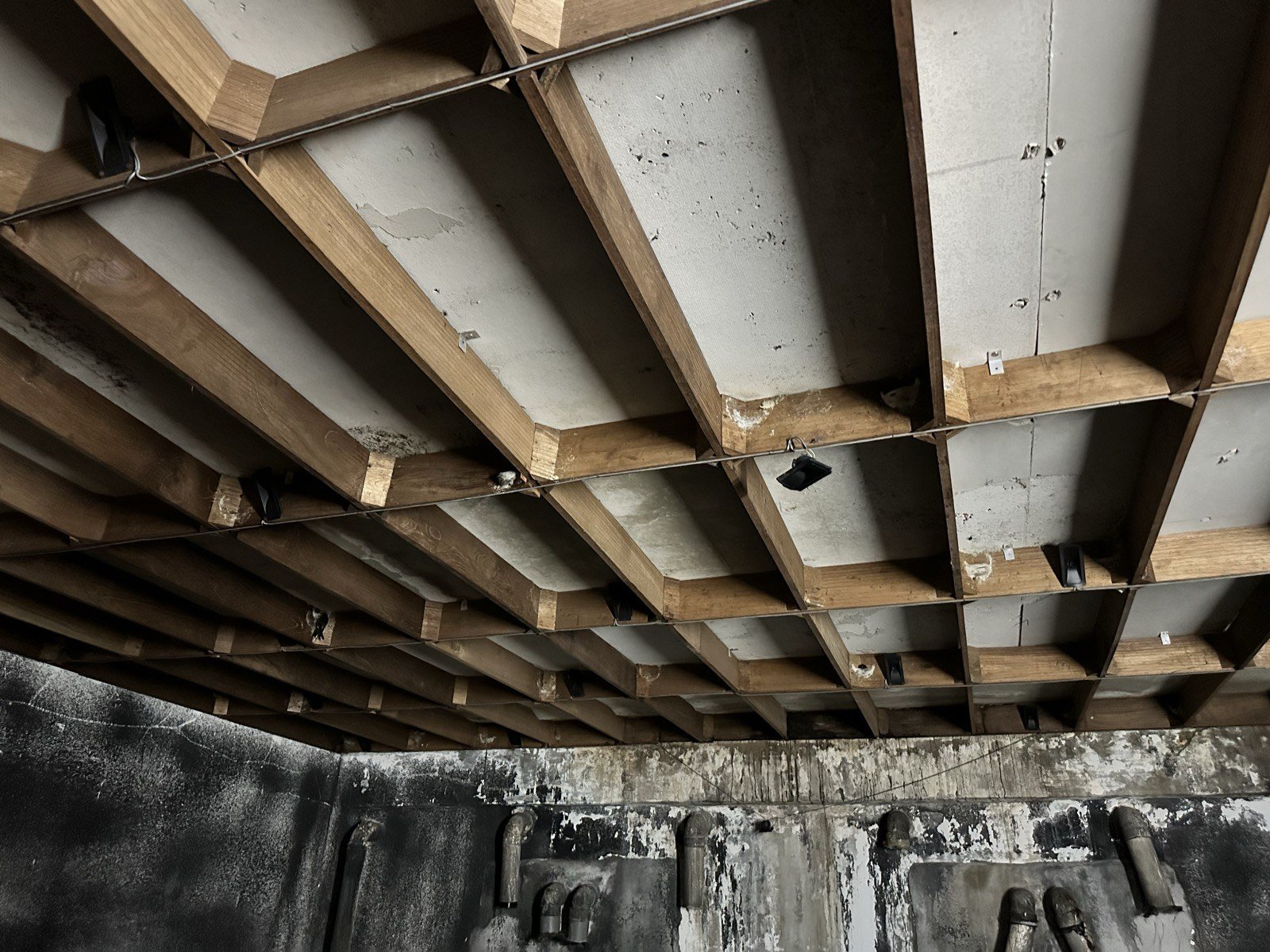
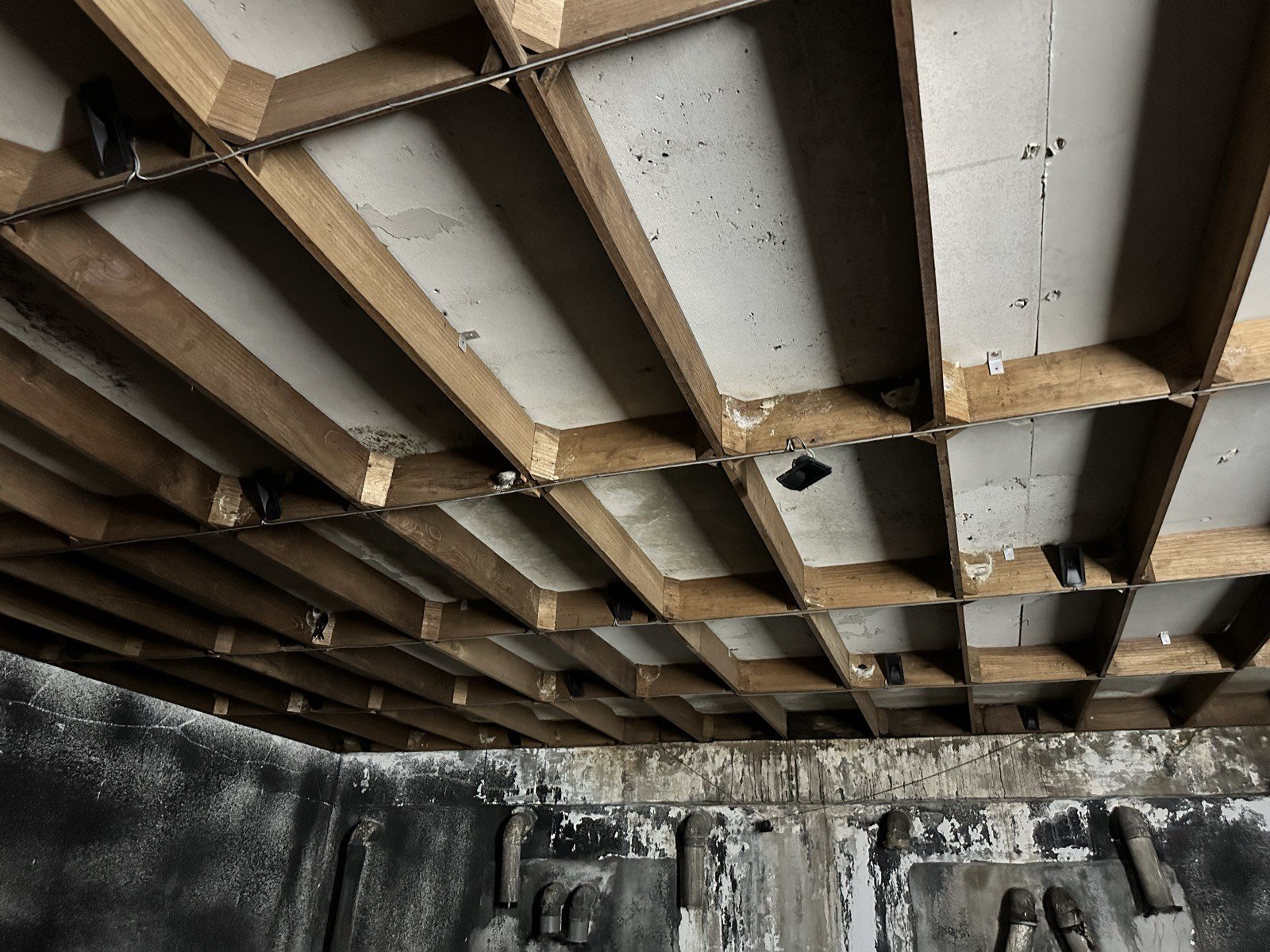
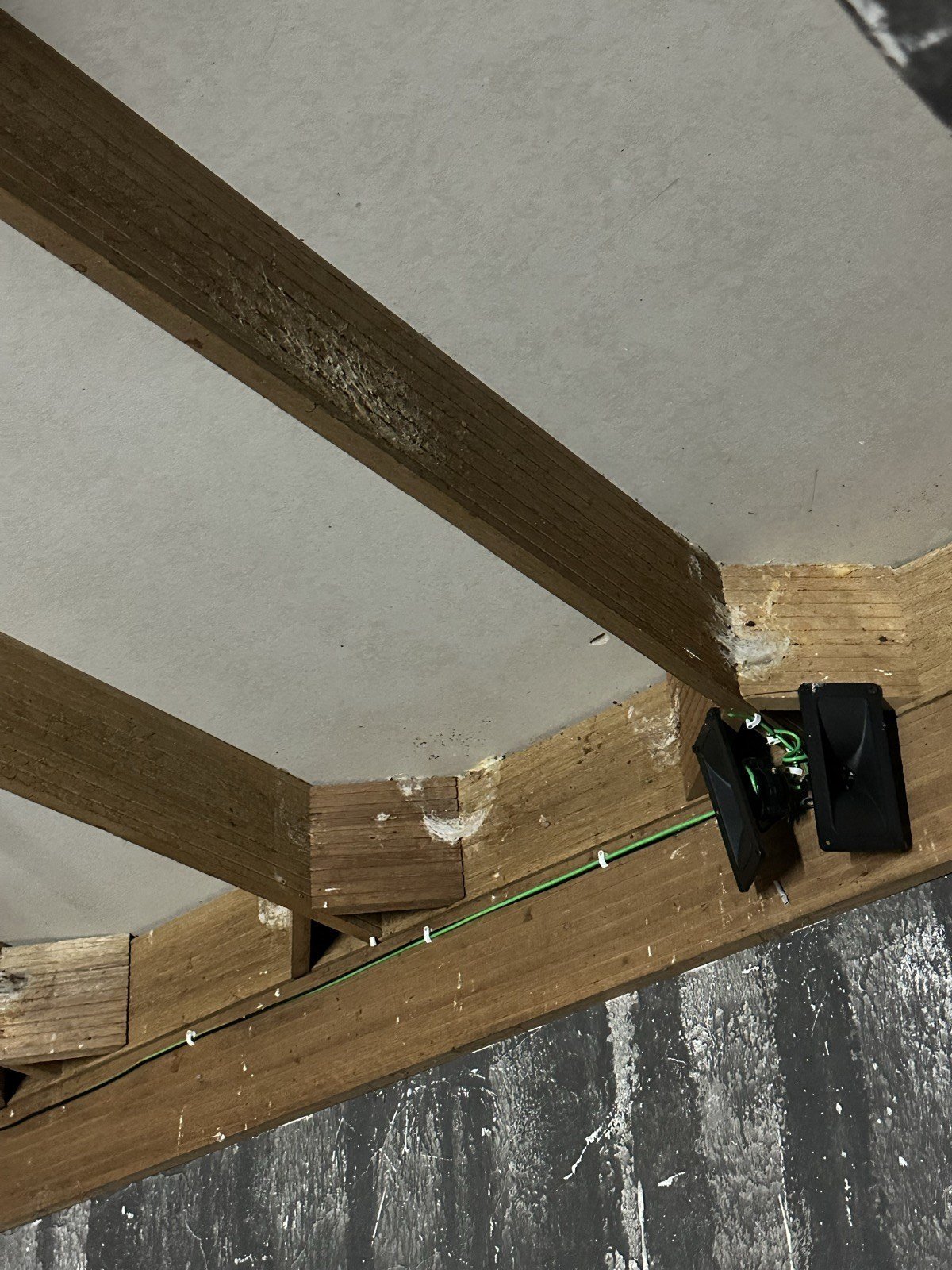
Three: look at where the nests are. Nests in front of or near a tweeter mean that tweeter’s spot is right. Nests that keep away from it, or end up behind it, mean that one has a problem. More on this in where to place tweeters in a swiftlet house.
Four: is the bird count moving? In a house where the tuning is only not quite good enough, the birds still increase, just slowly. If the count does not go up at all, or goes down, something is wrong and needs finding. You can count this yourself.
Which knob to go back to when you hear which kind of sound, and how far, is something your ears learn one round at a time. We teach that part slowly in the Swiftlet Signature Masterclass (SSM).
When it is the equipment’s turn
Only when the entrance is smooth and the sound still seems stuck is it time to look at the machine and the tweeters.
If you keep hunting for a set of settings, first check what machine you are using. A dedicated swiftlet house machine comes pre-tuned to the frequencies swiftlets like, so you are not meant to be slowly trying things yourself. With the wrong machine, however good your swiftlet sound is, it will not come through. Whether to change it, and to which one, we can say after we see your photos and recording.
Next step
Stop turning the knobs for now, and stop asking for other people’s settings.
Take a clear photo of the front of your amplifier so every knob position shows. Then film your way in from the entrance hole on your phone, talking as you go, and record the internal sound and then the external sound.
Send the photos and recording to us on WhatsApp, and tell us how many floors the house has, roughly how many nests there are now, and when you last turned the knobs. We will go through it with the Diagnosis Method for free and tell you whether you are stuck at the entrance, in the tuning, or somewhere else. Diagnosis first, prescription second.