

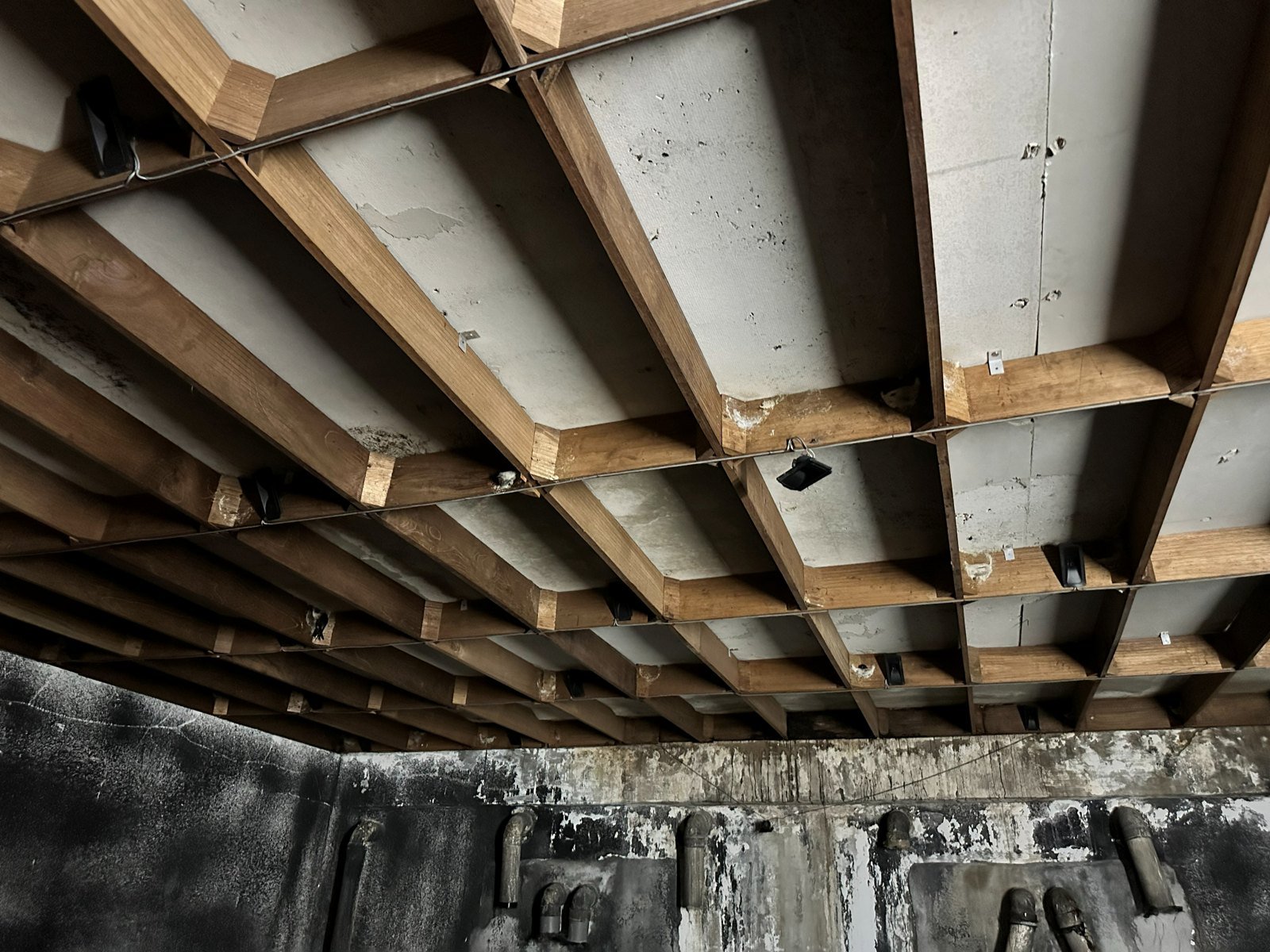
A plank falls down. Or it rots, goes mouldy, or the termites get into it. Your first thought: pull it out, put in a new one.
Then someone tells you about a farmer who changed their planks and production dropped.
So should you replace them or not? Is that story a myth, or does it really happen? Let me first explain how a swiftlet finds its spot on the planks. Then we can talk about how to decide.
Why planks get bad enough to replace
Nobody pulls down their own nesting planks for fun. When it comes to replacing them, it is usually for one of these reasons:
- The planks sat in water for a long time, or the house is too damp, so they went mouldy and soft
- Termites ate them
- No maintenance for years, plus damp air, until the plank finally falls off
The ones that fall are often on the lower floor. Water runs down, so the lower floor is usually wetter than the top.
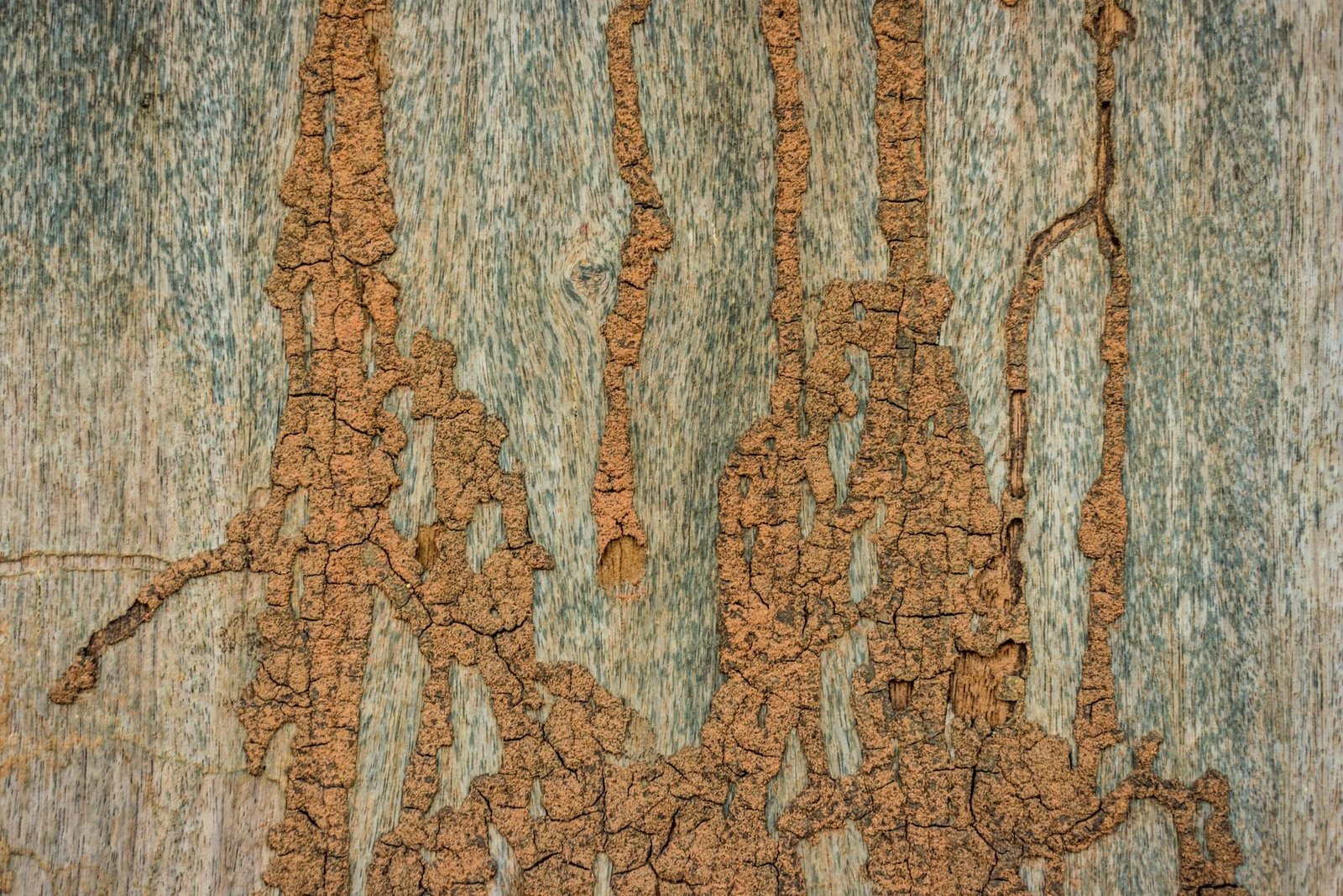
The common mistake: it’s damaged, so rip it all out
Taking down a bad plank and putting up a new one is not wrong in itself. What you need to watch out for are two things: suddenly changing how the planks are arranged, or tearing out the original planks carelessly.
A swiftlet comes home and finds its nest spot by the layout of the planks and the marks around them. Stand in your house and look up. The planks all look about the same. To find its own piece, the bird relies on those marks. A knot in the wood, a small hole where an insect bored in, a dark dirty patch: to the bird, that is an address.
Change the layout in one go and take those marks away, and the bird comes back and cannot find its spot. It gets confused. Having to look for a new spot to build a nest puts the bird under stress. If it was already not too comfortable in your house, that can be the moment it really leaves.
So if production really does drop after you change planks, go back and check whether you changed the layout and the marks. Don’t just blame the new wood.
There is one more case: the plank goes mouldy, you replace it, and a few months later the new one is mouldy too. That means the water and air problem was never fixed. I covered that in Swiftlets nesting on the walls but not on the planks, so I won’t repeat it here.
How to decide: replace, leave it, or treat it first
1. First look at how many nests that area had.
This matters more than how badly the plank has rotted. Every house is different, but here are two directions:
- Your house has several floors, the plank that fell is on the lower floor, and that area never had many nests: you may not need to put it back for now. Focus on getting the upper floors right first. You save money, and you usually see growth sooner. But don’t close anything off or tear anything down on your own yet. Send us photos first and decide after.
- That area has a lot of nests: check whether the plank is really rotten and whether it can still be used. If it only has a little mould, treat it and put it back up.
2. If you don’t need to replace it, don’t.
If the plank is only dirty or a little mouldy, washing it is enough. No need for a new one. Saves money, saves time.
“Washing” here does not mean climbing up and wiping every plank by hand with a cloth. Whether you need to wipe depends on your house.
3. If you really must replace it, put it back the way it was. No big changes in one go.
Try to follow the original layout and put planks back in the same positions. Don’t make a big change with the new planks all at once. Give the birds time to get used to it.
Where the planks already have nests, don’t tear those planks out right away, and don’t rearrange that whole section into a different pattern. Leave the spots where birds already live.
4. Treat new planks before they go up.
New does not mean clean. The wood can already carry mould while it is still on the tree, especially the parts that have died. After it is cut, the processing, the transport and the installation all leave smells on it. Those smells affect the birds, some more, some less.
So treat new planks as soon as they arrive. Treated planks also last longer, because the treatment helps prevent mould.
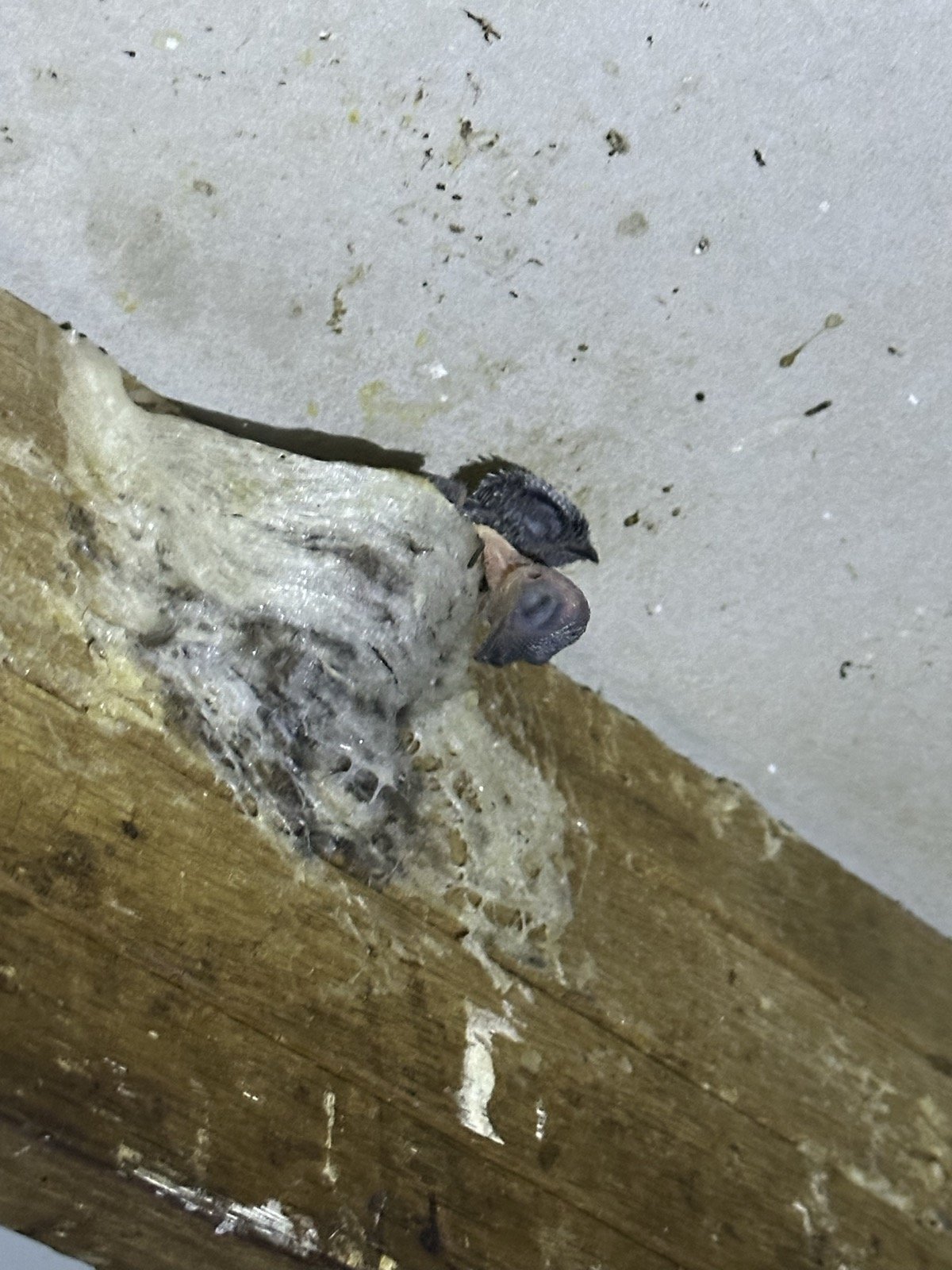
The same goes for what is left on old planks. If your house has had a production drop, or thieves have been in, and the planks are left with lots of white nest bases, that layer has to be dealt with. Otherwise new birds will not come.
When it’s time to talk about products
Only after you have gone through the steps above, and the problem really is dirty or mouldy planks, do we talk about what to use.
Our own Meranti+ Nesting Plank Enhancer is sprayed on, no wiping needed. You can spray new planks before they go up, and it also treats planks that already have mould. Looking after your planks costs a lot less than waiting until they rot and then replacing them. Once a plank has aged past a certain point, spraying will not save it, and then you are paying for new planks.
If the planks went bad because water collects underneath or there is no airflow in the house, fix the water and the air first. Otherwise any plank you put up ends up the same. For the other reasons planks age, read Is your swiftlet house getting old?
This is the order the MDK Swiftlet House Diagnosis Method always follows: diagnosis first, prescription second.
Your next step
Don’t call the workers in to tear things down just yet.
Wait until the birds are out for the day. Then go in with your phone and shoot: a close-up of the damaged plank, a wider shot of that whole area (so we can see how many nests there are), and the piece of ceiling above the damaged plank.
Send the photos to us on WhatsApp. Tell us which floor it is and how you were planning to replace it. We will help you see whether you can leave it out, replace it the way it was, or not replace it at all. Having a look costs nothing. If we need more information, we will ask.